
Holy Church of Saints Theodore of Livanates
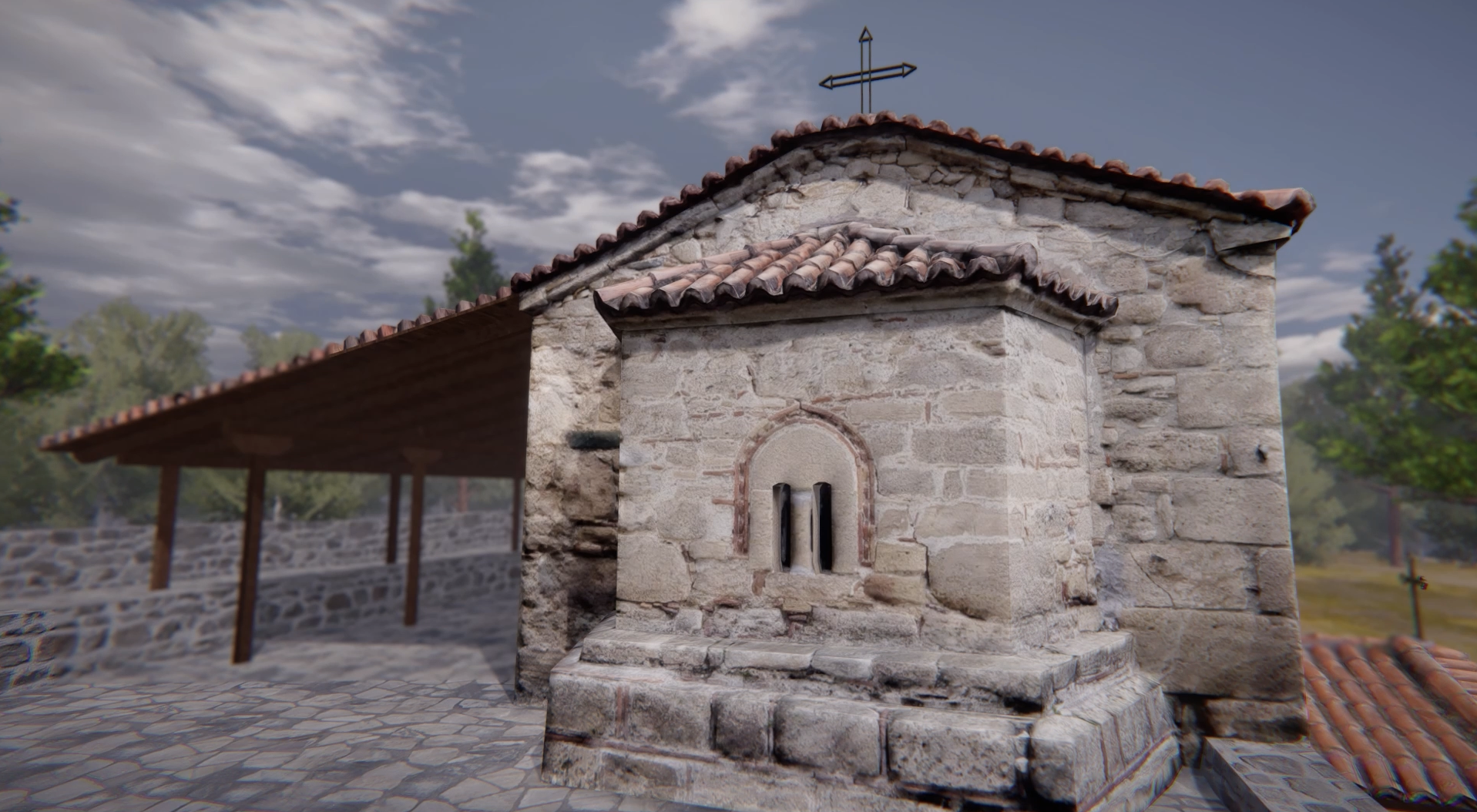
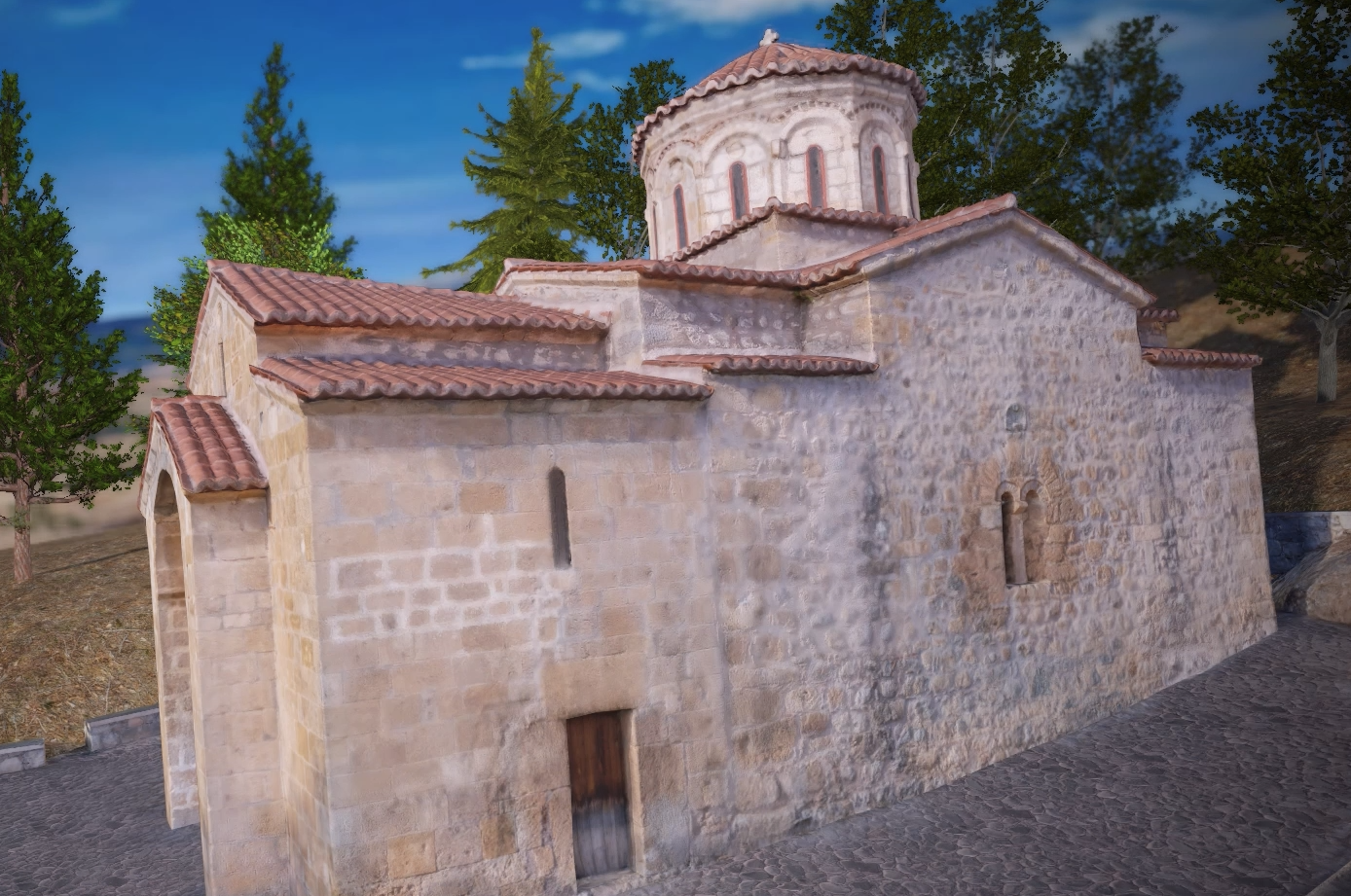
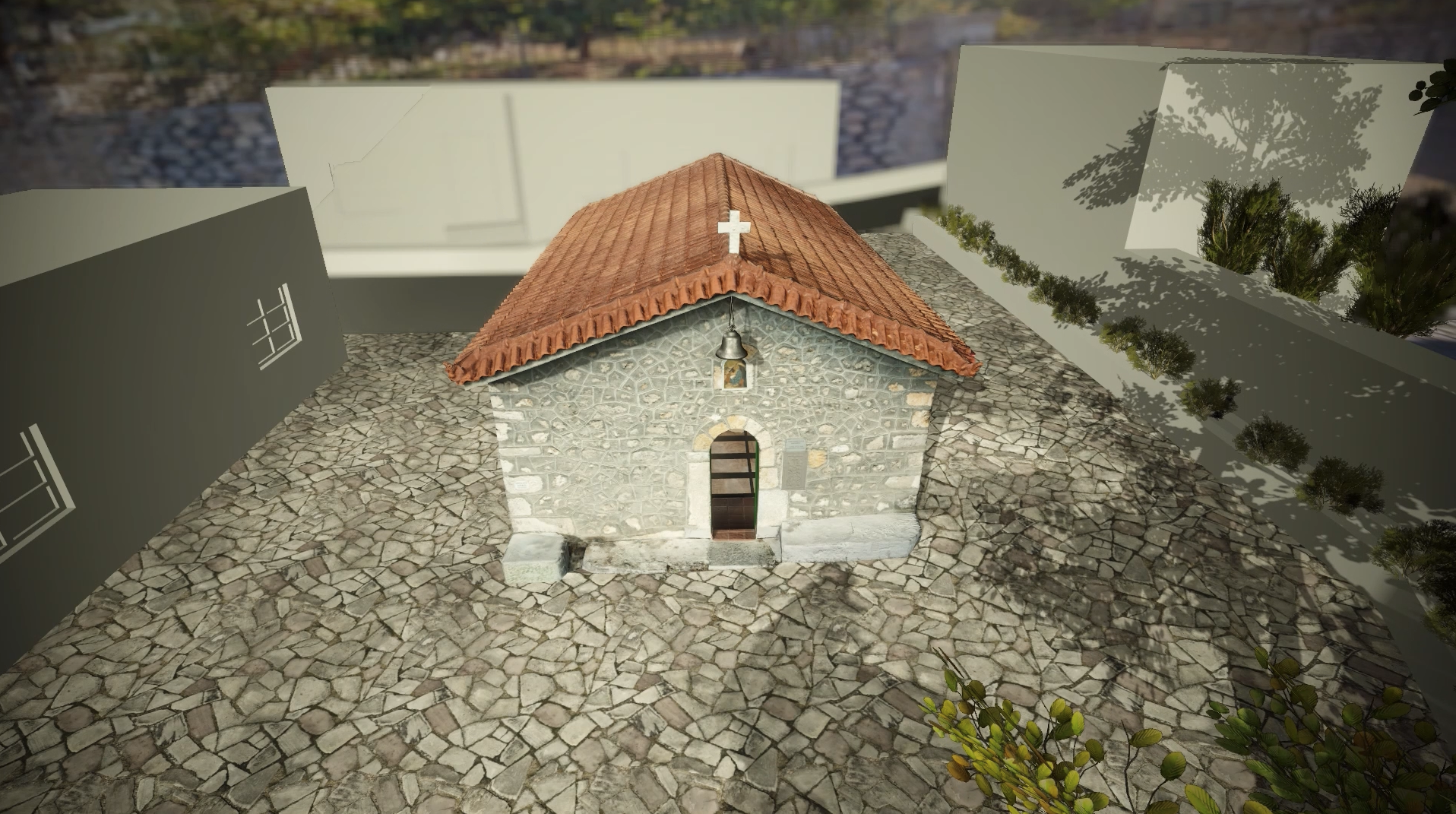
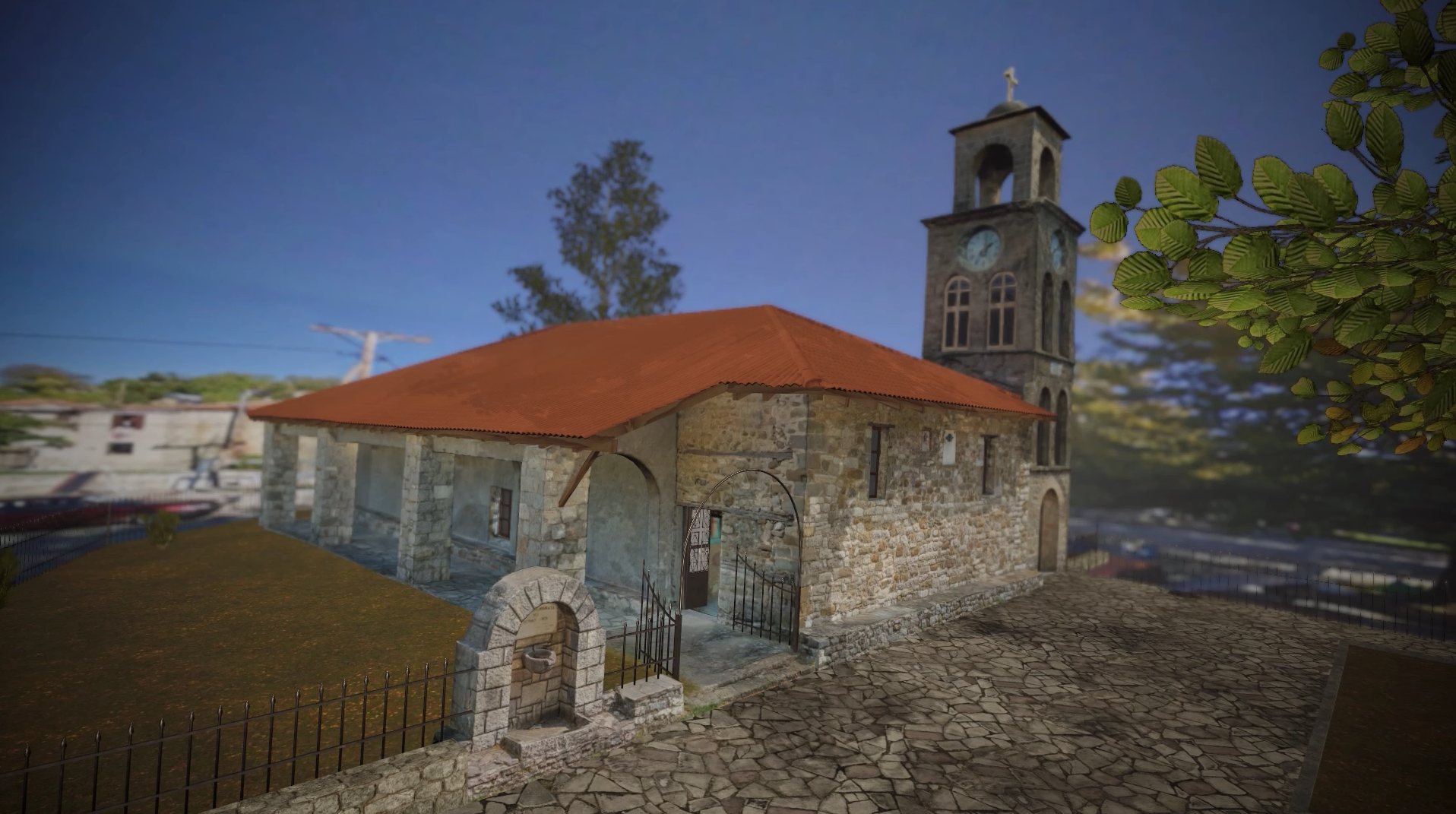
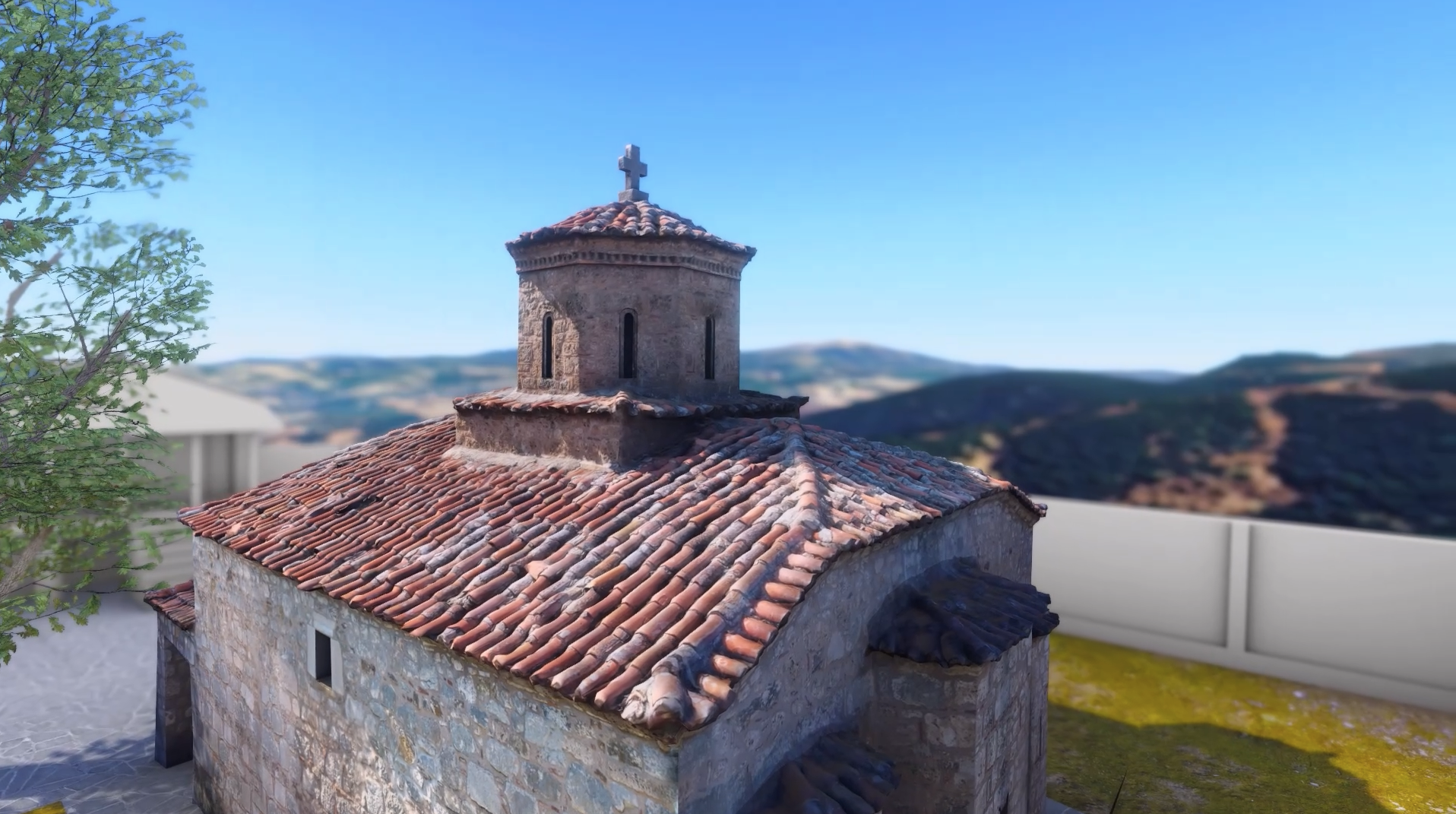
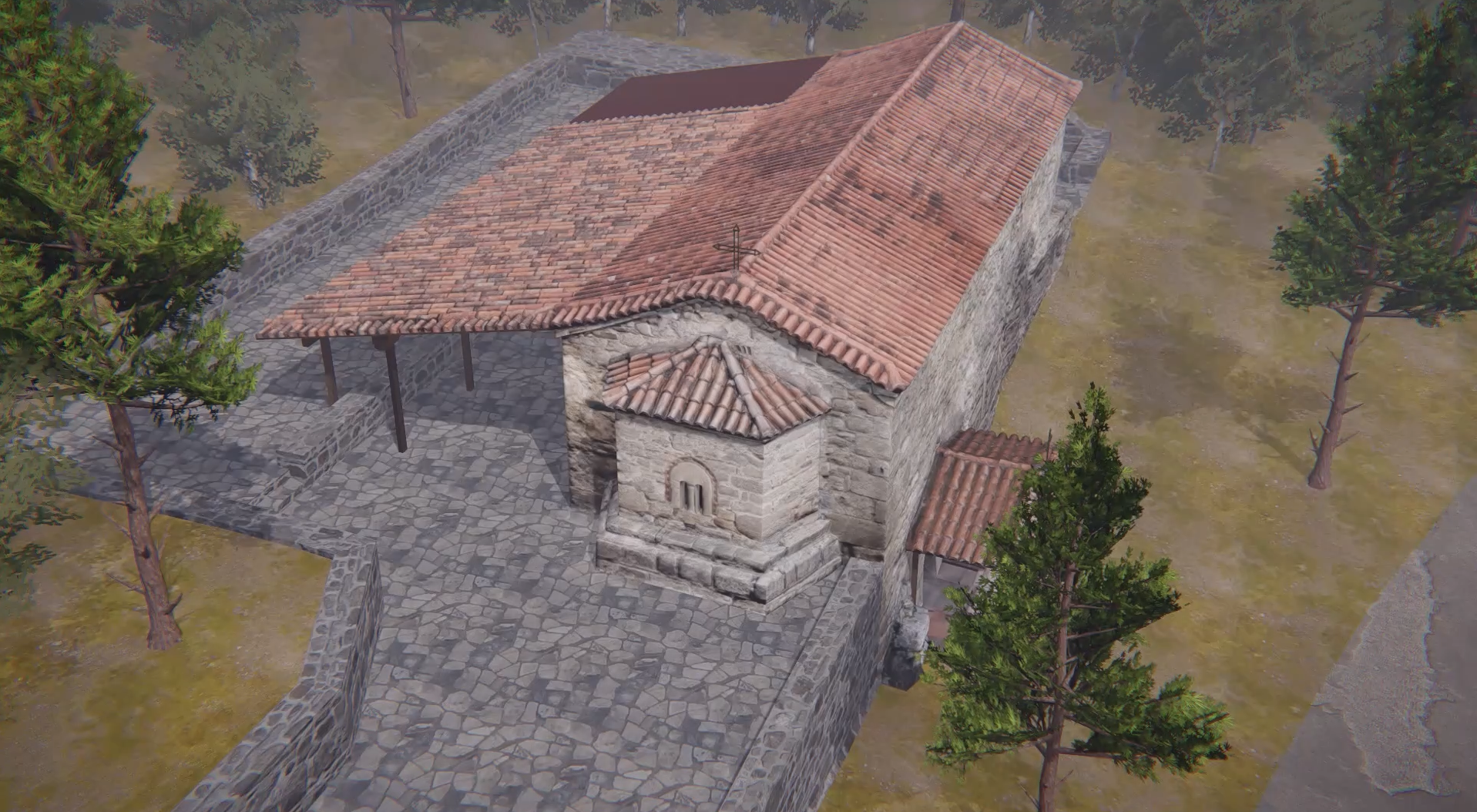
The Church of Agioi Theodoroi stands on the seafront of Livanates. It is a single-aisled structure with a wooden, tiled roof. The roof continues at the same pitch to form a wooden portico on the south side. The masonry shows that an earlier Byzantine church once occupied the same location—dating to the 11th or 12th century and having roughly the same dimensions.
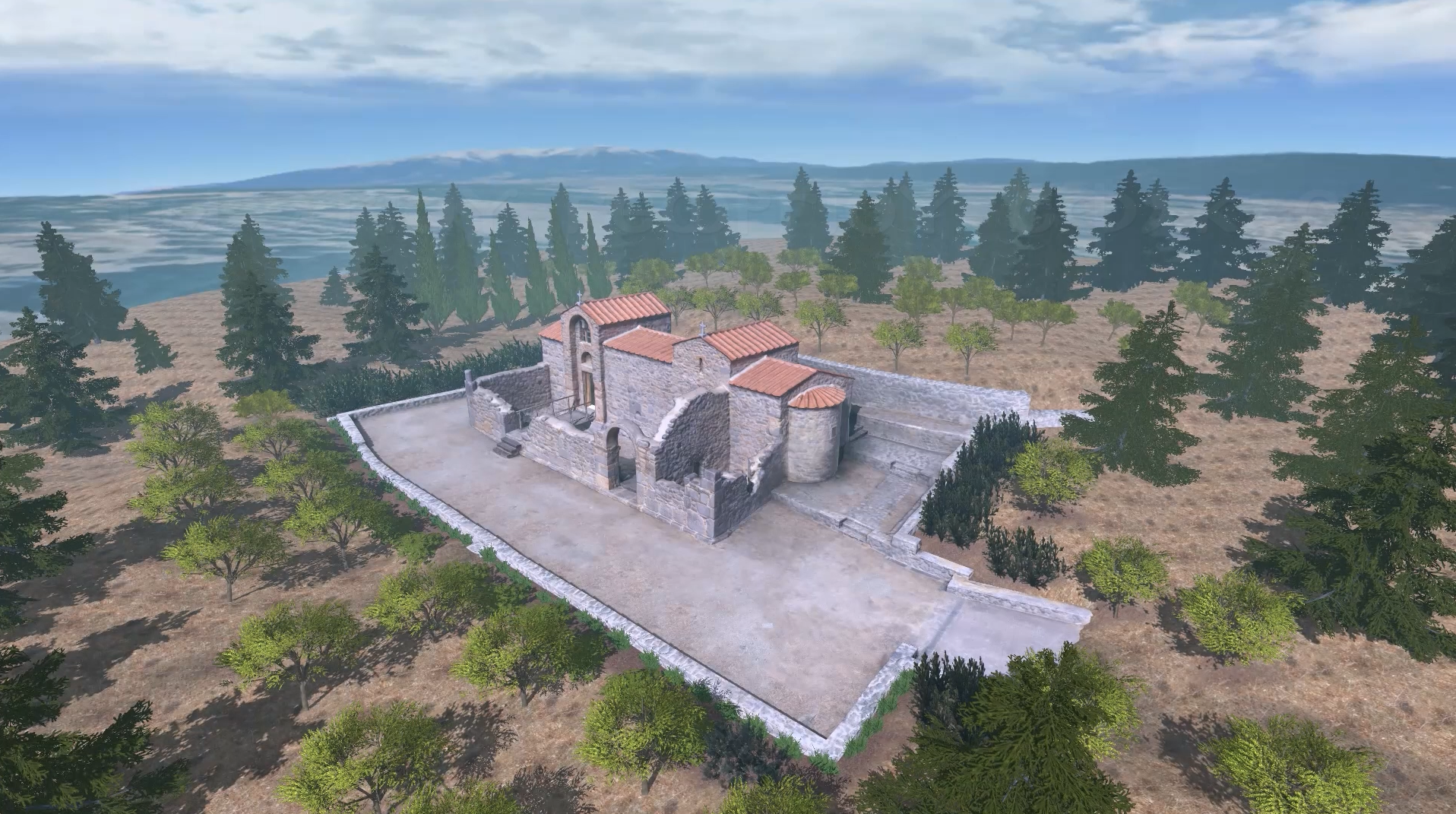
In older photographs, the church appears plastered on the exterior, but today the plaster has been removed, revealing the masonry. In the lower sections of the walls, as well as beneath the sanctuary apse, one can see rows built with carefully dressed stones framed by thin bricks. This type of construction can be dated to the 11th–12th century. Around the church are the remains of walls belonging to various structures. The prevailing interpretation is that the church once was part of an earlier monastic complex.
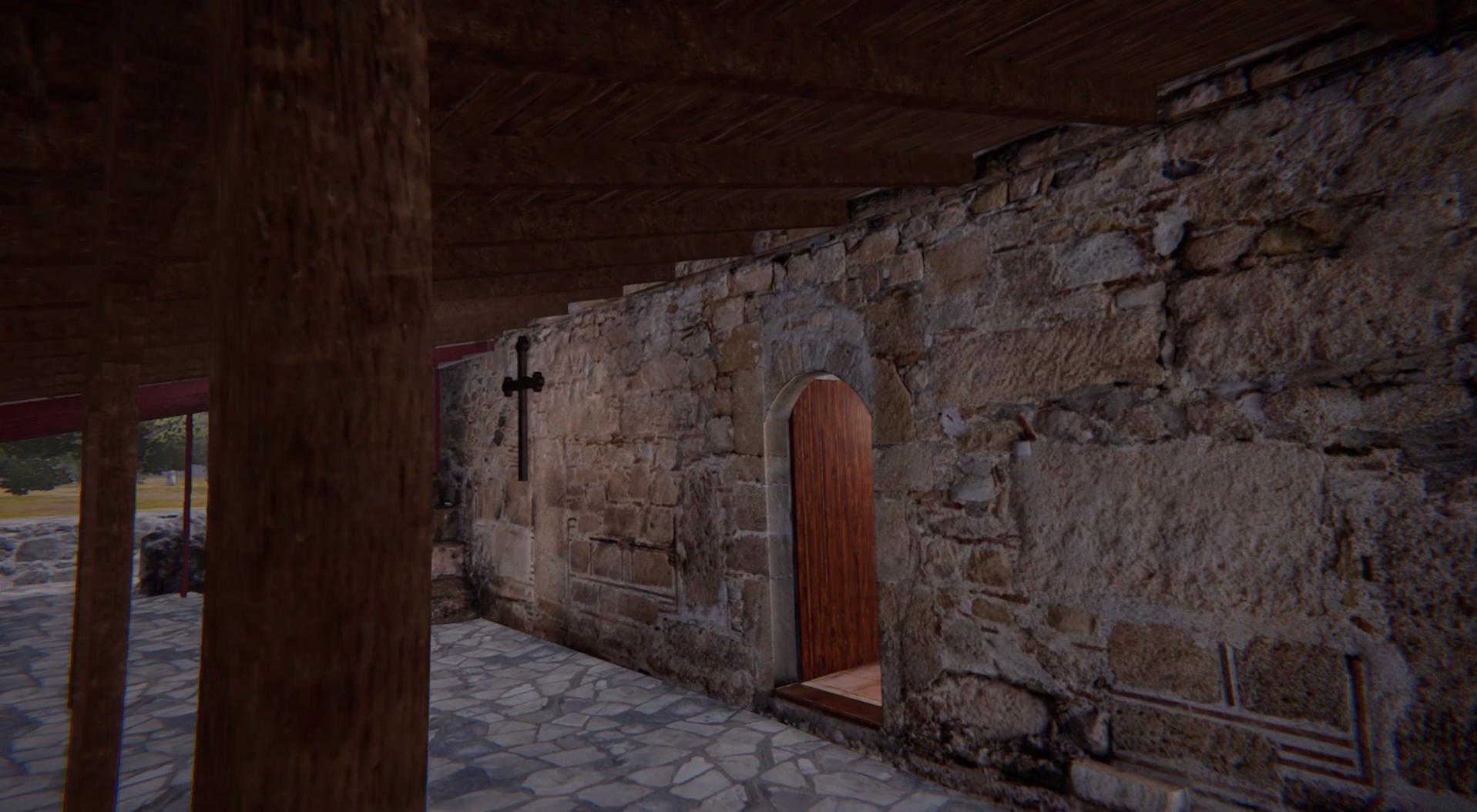
On the south wall, large blocks from ancient buildings in the area have been reused. They are arranged in such a way that they form crosses. This decorative feature appears from the 12th century onward and can be seen in other monuments of Phthiotis with Byzantine phases—such as the Church of Saint Nicholas of Vounena at Exarchos in Locris—as well as in post-Byzantine monuments, like the katholikon of the Transfiguration at Modi.
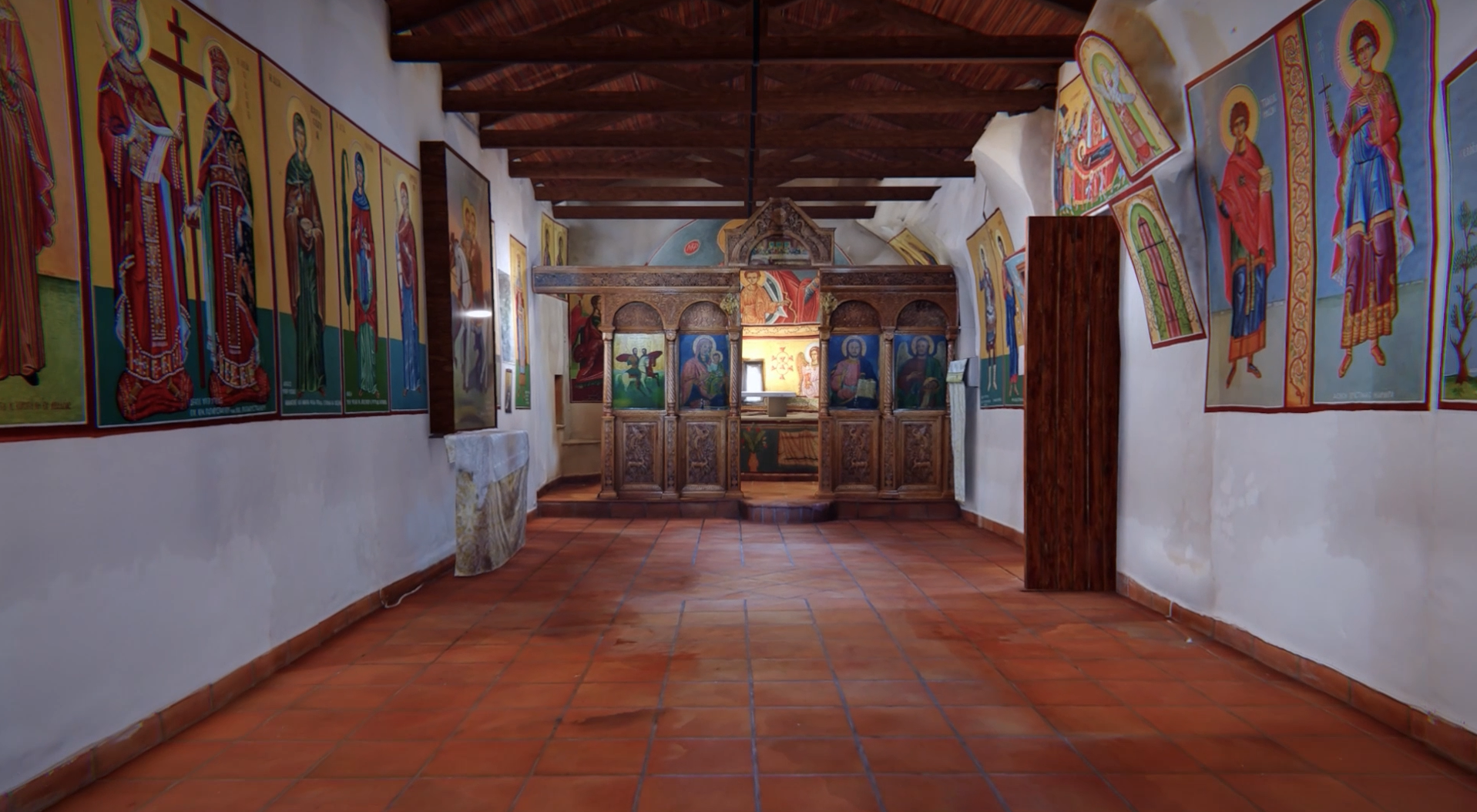
The church has two entrances: one on the west side and one on the south. Inside, it is a single-aisled space covered by a wooden roof. However, in the upper part of the walls, one can discern the springing of a vault, indicating that the earlier church had a vaulted roof. The nave is separated from the sanctuary by a light wooden templon with two openings: the central Holy Door and a smaller one to the left leading to the Prothesis. The church is decorated with frescoes dating to the 20th century.
On the north side is the entrance to the crypt beneath the church. The stone arch and thin bricks framing the doorway indicate that the crypt belongs to the Byzantine period. It is partly cut into the rock and partly built, with a vaulted ceiling. Traces of frescoes were visible on the face of the vault until recently. At the back of the crypt, a small well produces holy water. The crypt is partly hewn into the rock and partly built, with a vaulted roof. On the face of the vault, traces of wall paintings were visible until recently. From the well at the back of the crypt flows holy water.