
Holy Church of Saint John the Theologian, Tithorea
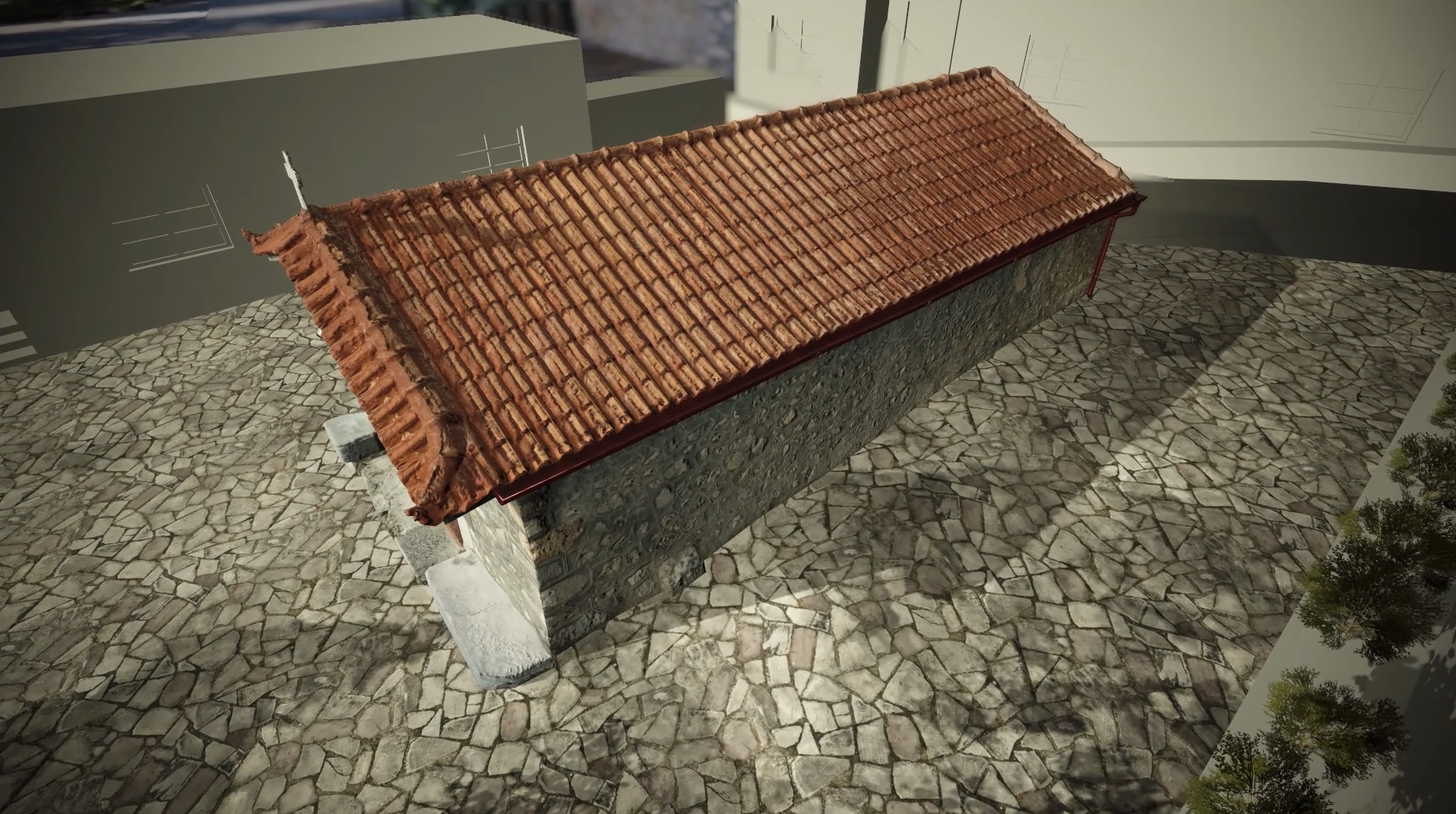
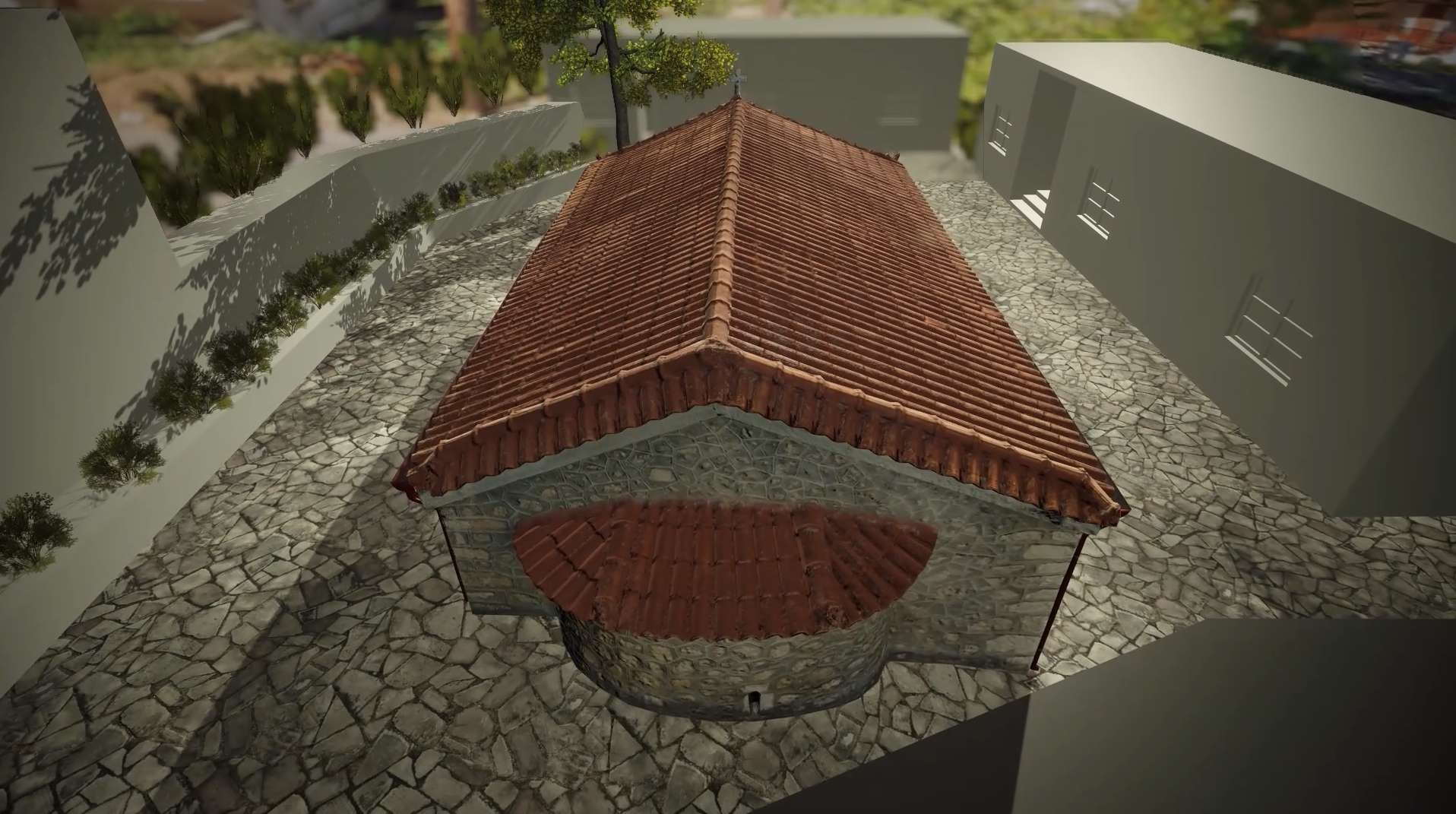
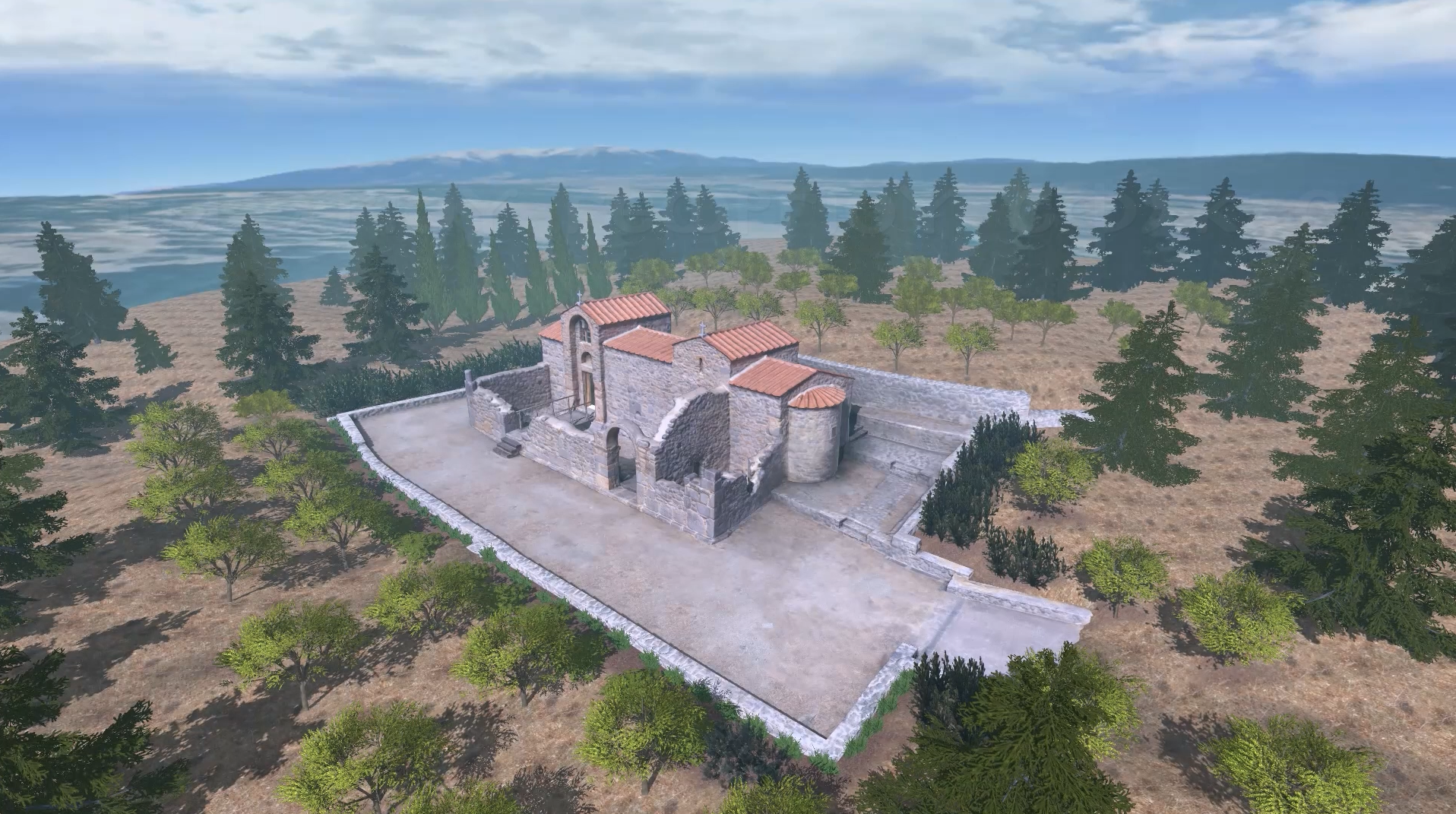
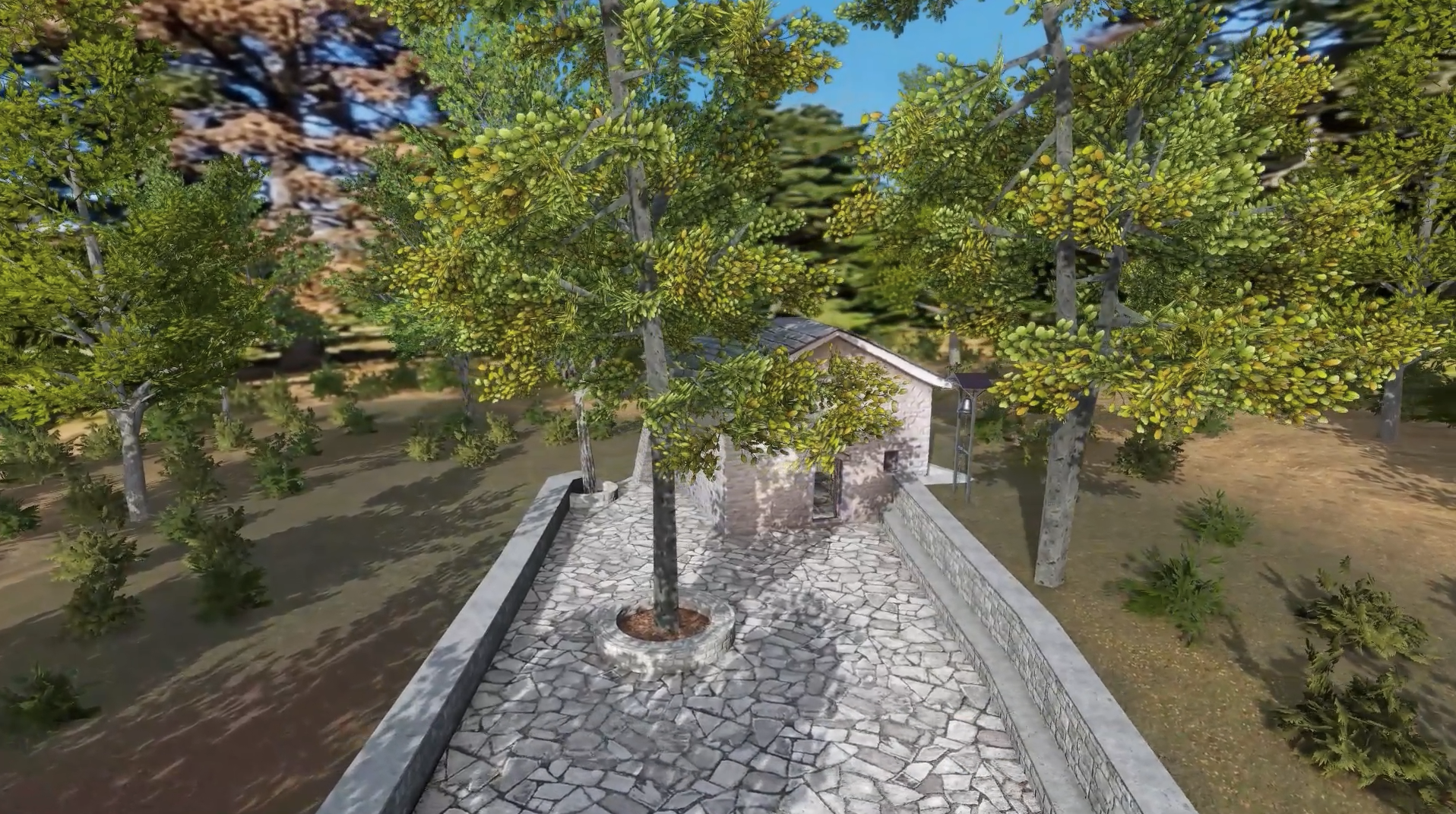
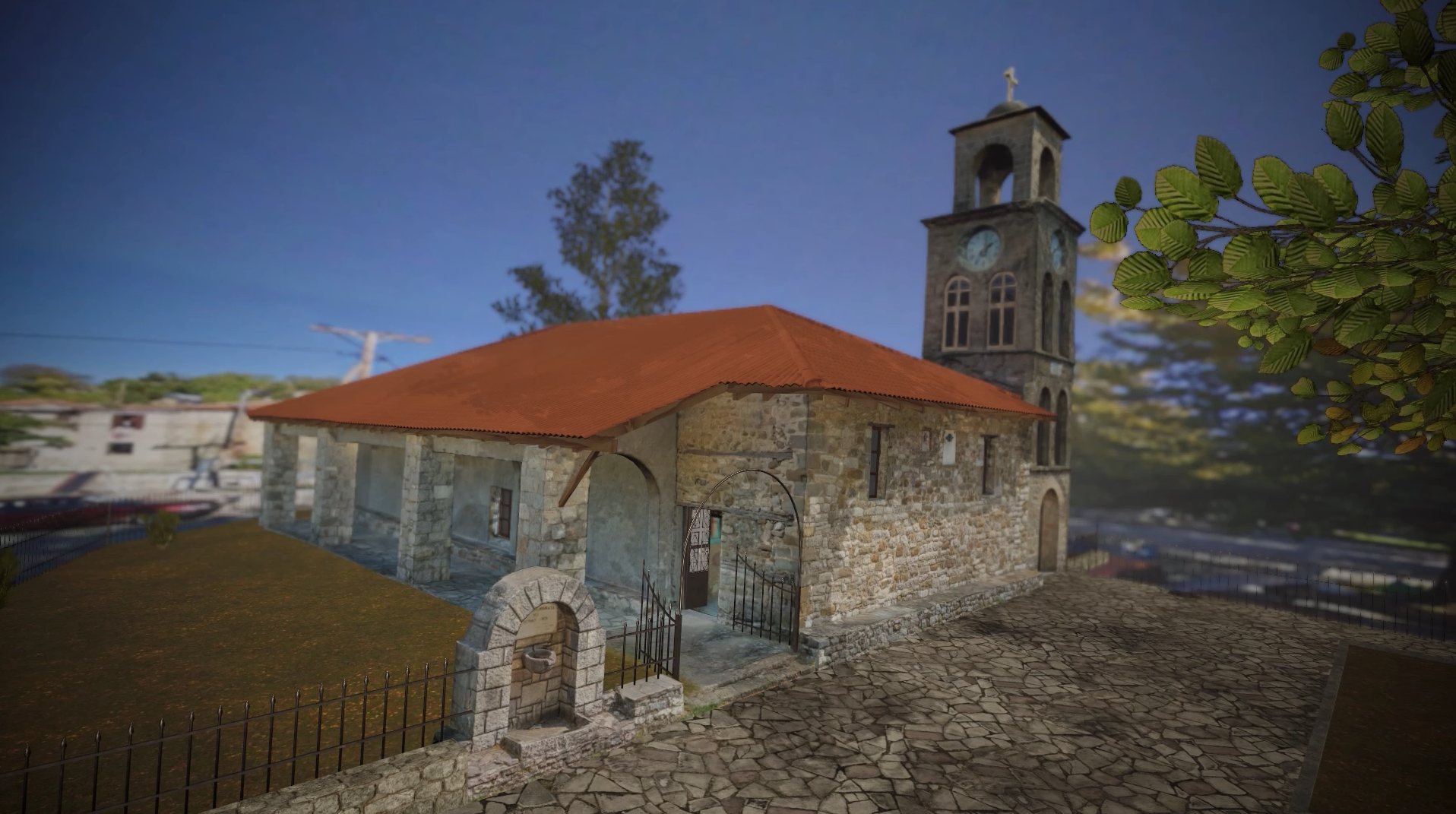
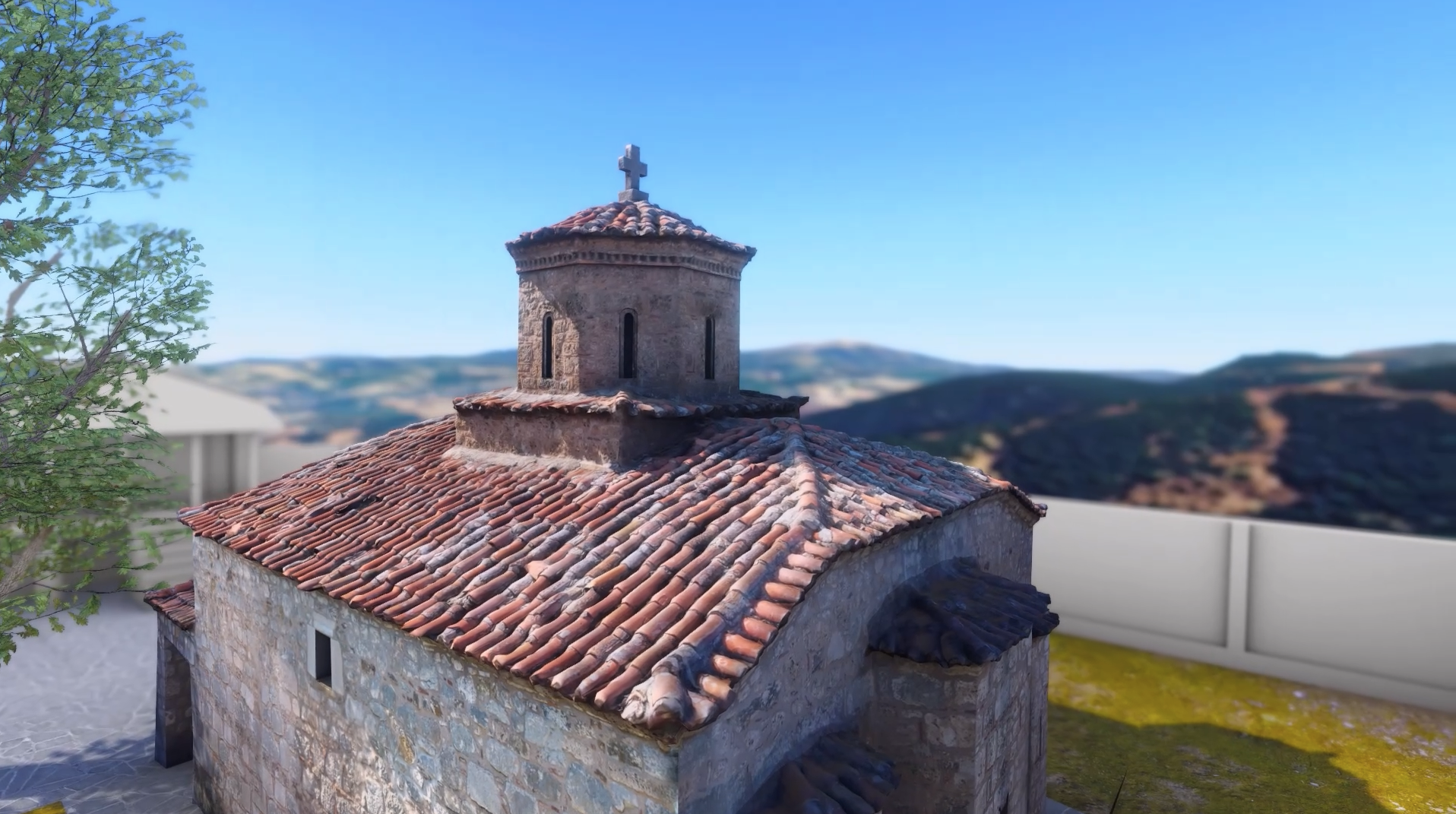
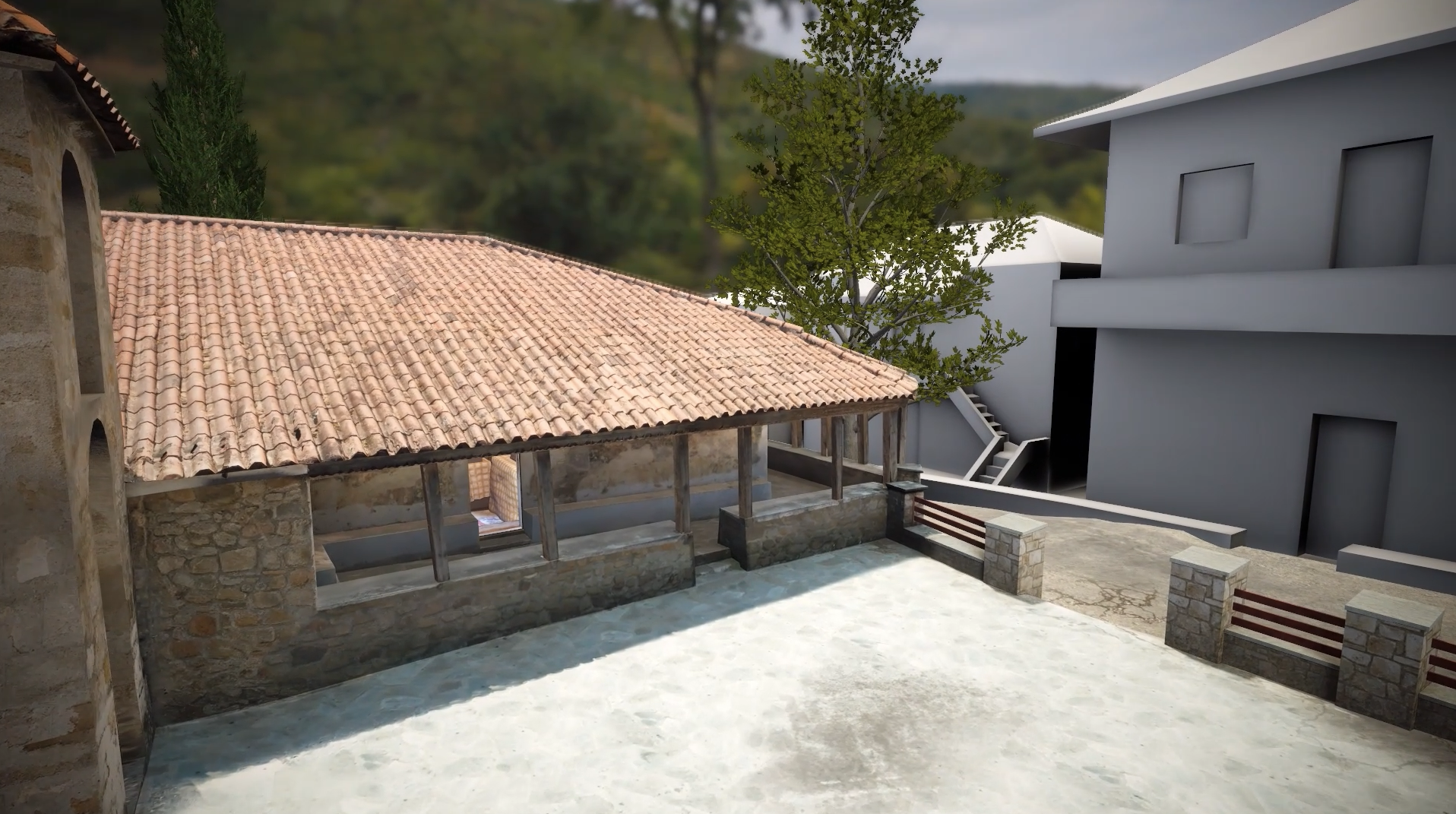
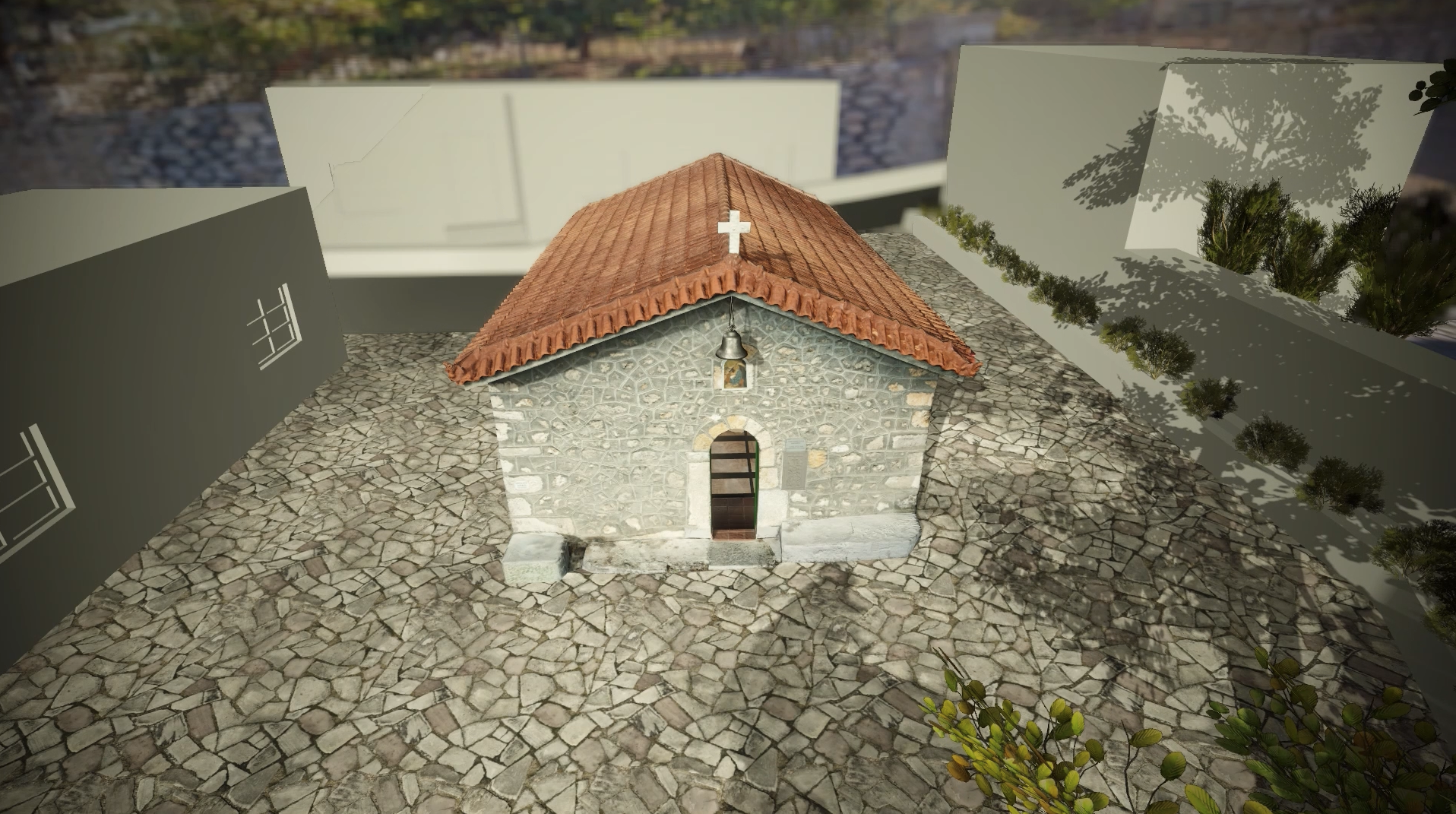
The Church of Saint John the Theologian is located along the central artery of the settlement of Tithorea in Phthiotis. It is a small, single‑aisled, post‑Byzantine church with a large semicylindrical apse on its eastern side. The walls are built of small, mortared stones, and the roof is covered with tiles. The church is constructed over the remains of earlier buildings belonging to three different phases, the earliest of which is a 5th‑century AD Early Christian basilica. Embedded in its walls are architectural members from earlier monuments.
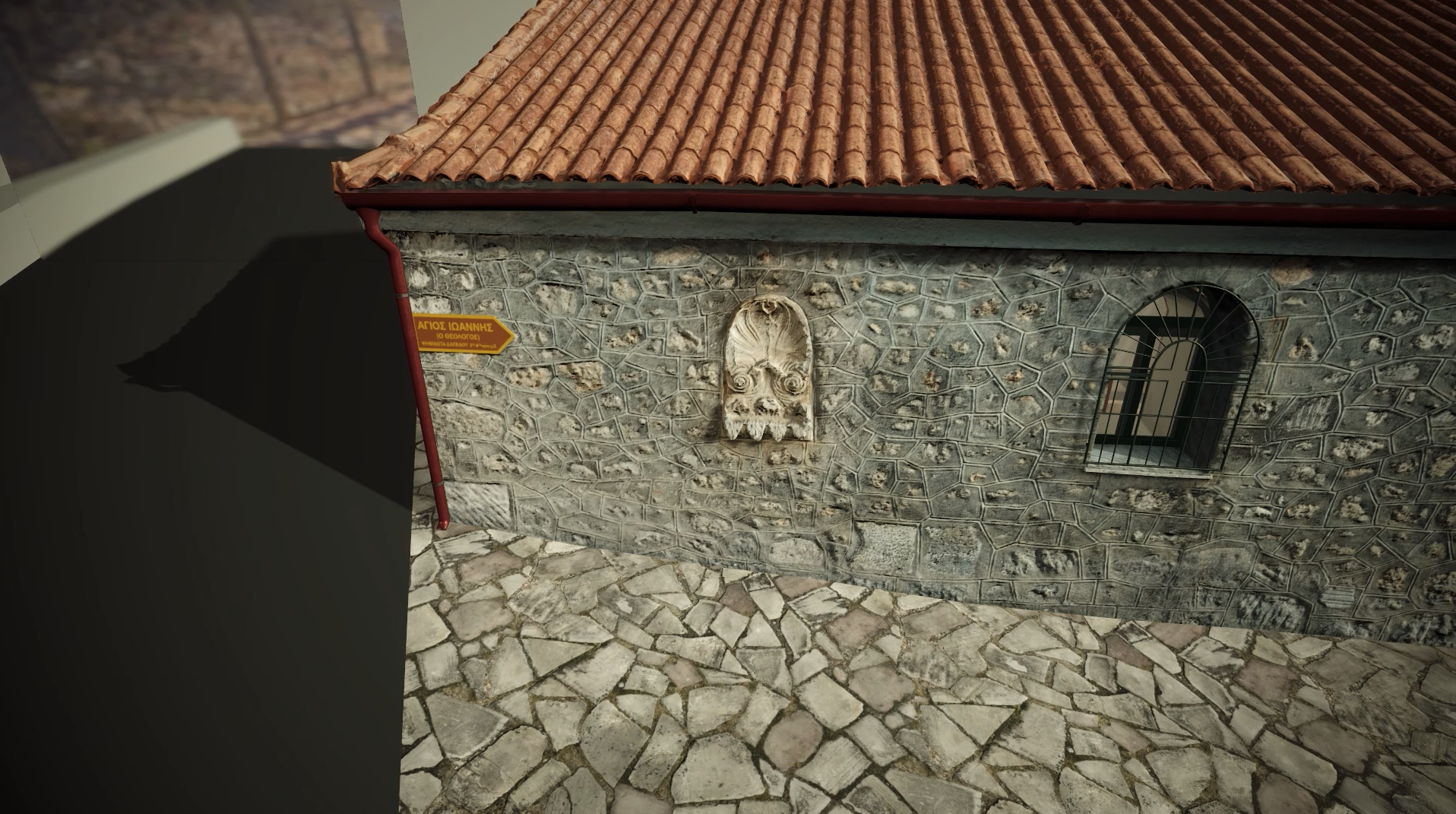
On the north wall of the church, a decorative marble element from an ancient building is embedded, shaped like an anthemion acroterion. In the window opening, well‑cut, mortared stones form the straight sides, while voussoir stones shape the arch.
To the right of the entrance, a marble relief is embedded, featuring an anthemion motif and a dedicatory inscription at its upper part. The inscription unfolds to the left and right of a carved cross. The relief originates from the Early Christian basilica and is believed to have been part of a small pier belonging to the presbyterium barrier. The presbyterium barrier was a low screen separating the nave from the Sanctuary in Early Christian churches, corresponding to the templon in Byzantine and later churches. Because it stood near the Sanctuary and the Holy Table, it was considered an appropriate place for dedicatory inscriptions. The inscription reads: “+AND FOR THE CHILDREN AND ALL THEIR HOUSEHOLD,” expressing a prayer by the dedicators for their family and children.
The western part of the church floor has been replaced with a glass surface, allowing the mosaic floor of the Sanctuary of the Early Christian basilica—uncovered during earlier excavations—to remain visible.
The mosaic depicts rosettes, lotus flowers, fish, birds, and geometric motifs arranged within square and circular frames, connected by the so‑called “Syrian wheels.” After the basilica was destroyed, a small Byzantine single‑aisled chapel was built at its eastern end, while the remaining area of the ruins was used as a cemetery. Traces of Byzantine graves can be seen in the preserved section of the Early Christian mosaic.
The church is barrel‑vaulted. The vault is reinforced at the center by an arch—the so‑called sfendonion—which rests on built piers projecting from the side walls. Embedded in the southern pier is a marble element with an incised cross, originating from an earlier structure.
From the church’s wall‑painting decoration, the south wall preserves Saints Demetrios, Anthony, an ascetic figure, and Constantine and Helen. On the north wall, opposite Saint Demetrios, the wall painting of Saint George survives. The two scenes are corresponding and symmetrical. The saints are depicted mounted and holding spears, each carrying a smaller figure: Saint George carries a boy from Mytilene who had been held captive in the service of the Saracens in Crete and was miraculously saved. Likewise, Saint Demetrios carries Bishop Thenon Kyprianos, whom he rescued from captivity among the Slavs. These miraculous interventions belong to the hagiographical tradition of the two saints. The wall paintings are likely dated to the early decades of the 17th century.
The church is separated from the Sanctuary by a built templon, which includes the Holy Door and a smaller northern entrance leading to the Prothesis. To the left of the Holy Door is an icon of the enthroned Virgin and Child, bearing the date 1830. To the right are the icons of Christ enthroned as Great High Priest and of Saint John the Baptist.
In the apse of the Prothesis, the depiction of the Man of Sorrows, dated to the 17th century, is preserved. Christ is shown standing inside a sarcophagus, with closed eyes and crossed hands, while behind Him the Cross is visible. This depiction, common in the Prothesis—the place where the Holy Gifts are prepared—emphasizes the connection between the Crucifixion and the Divine Eucharist.