
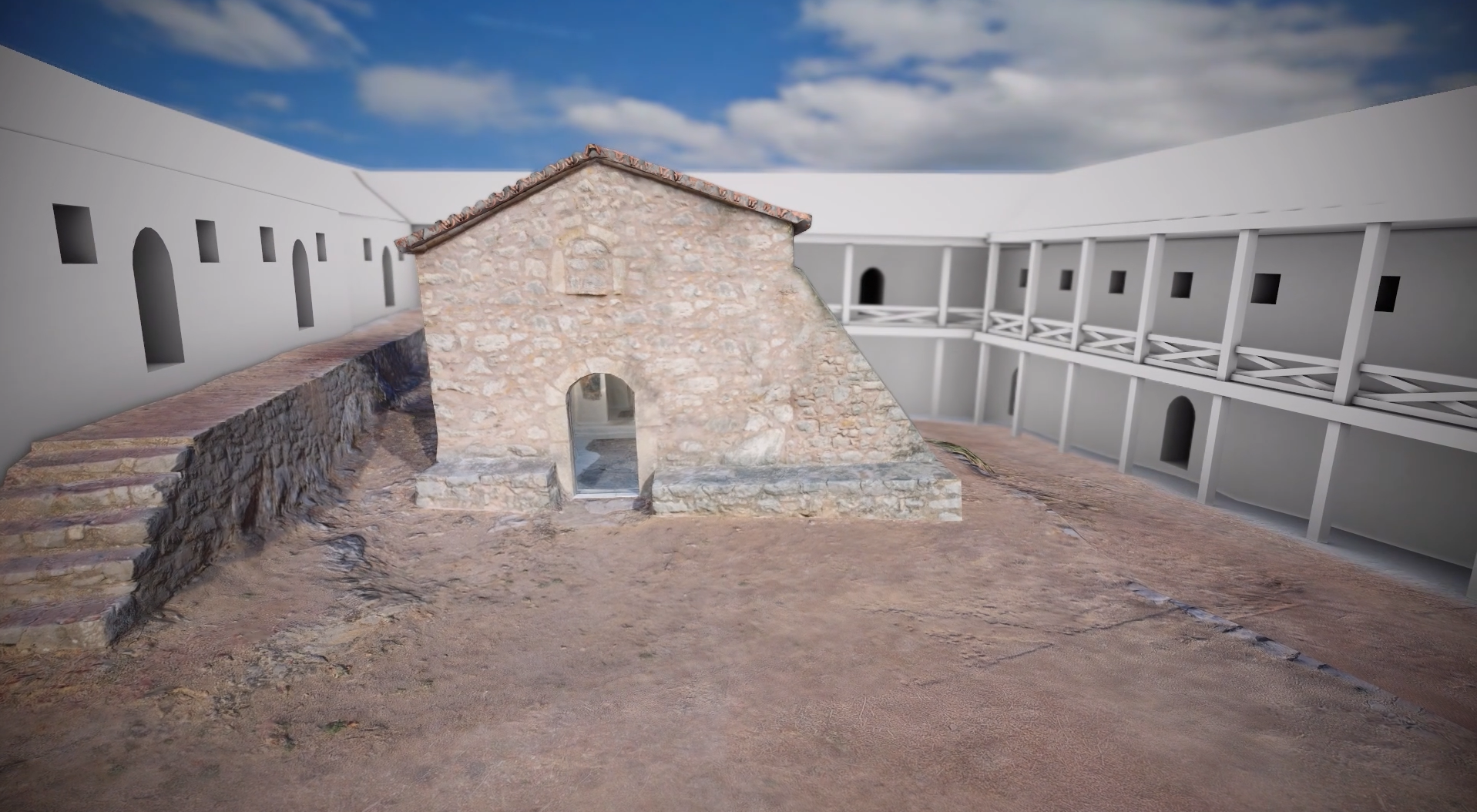
Holy Monastery of Profitis Ilias in Zeli
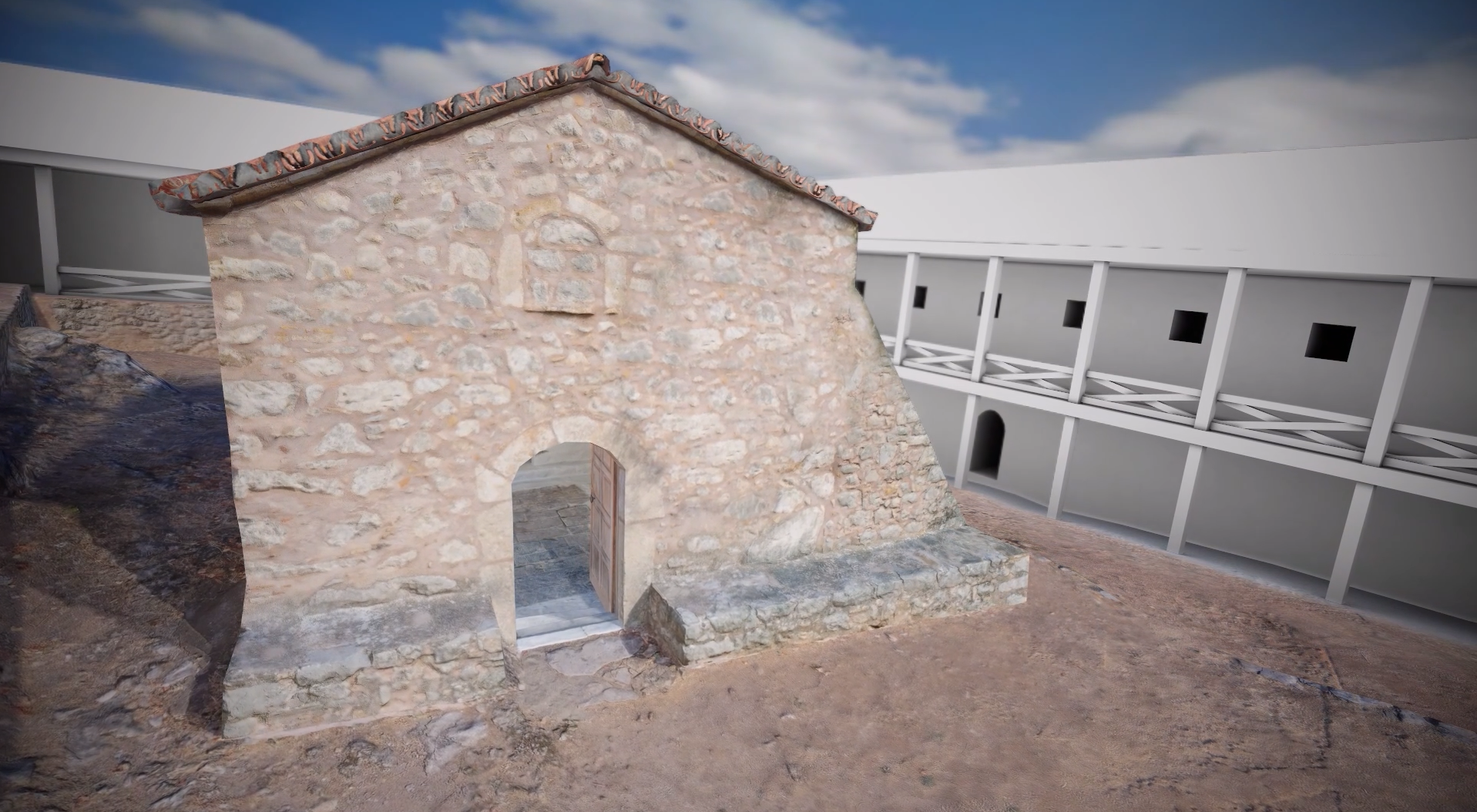
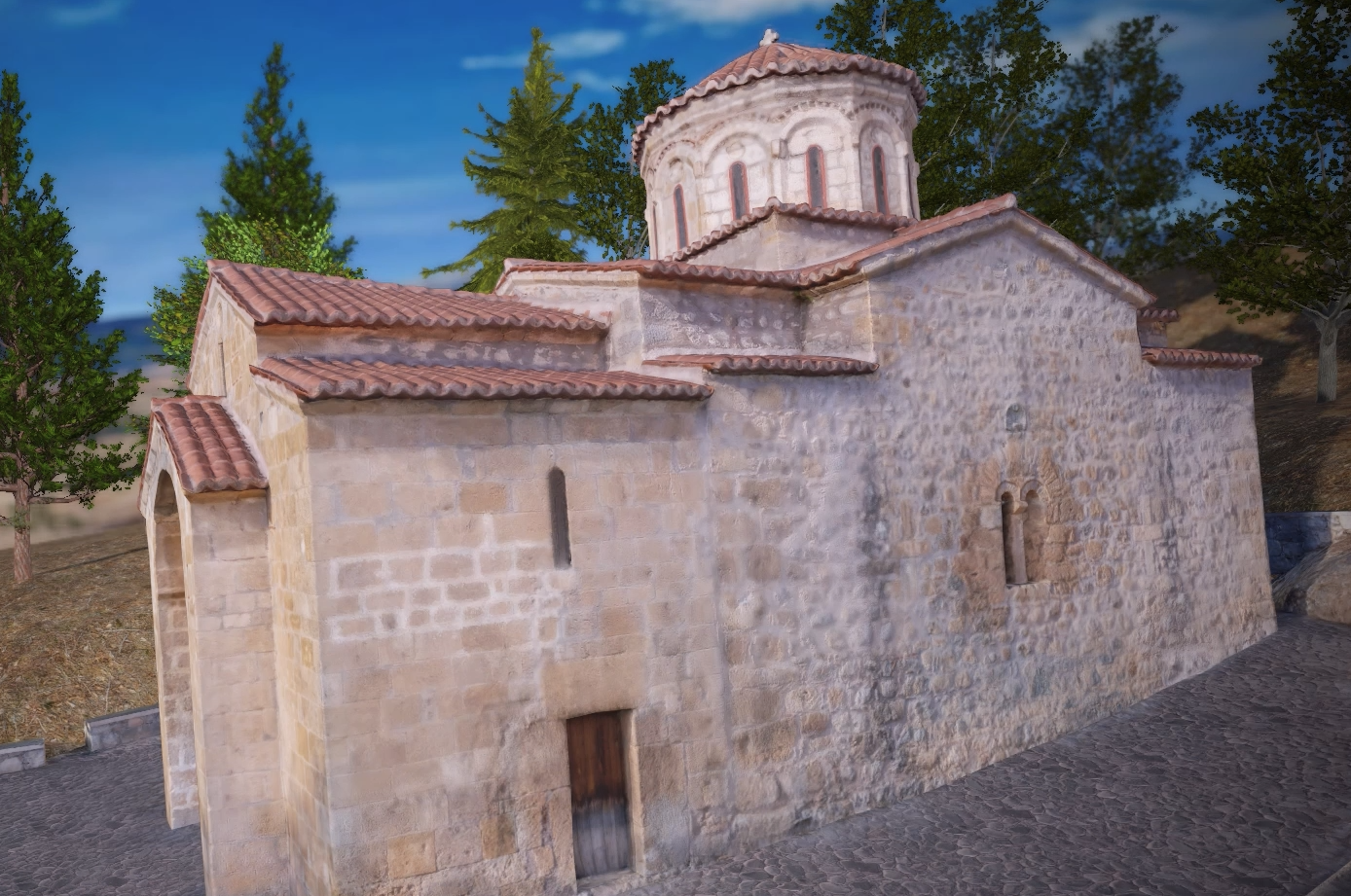
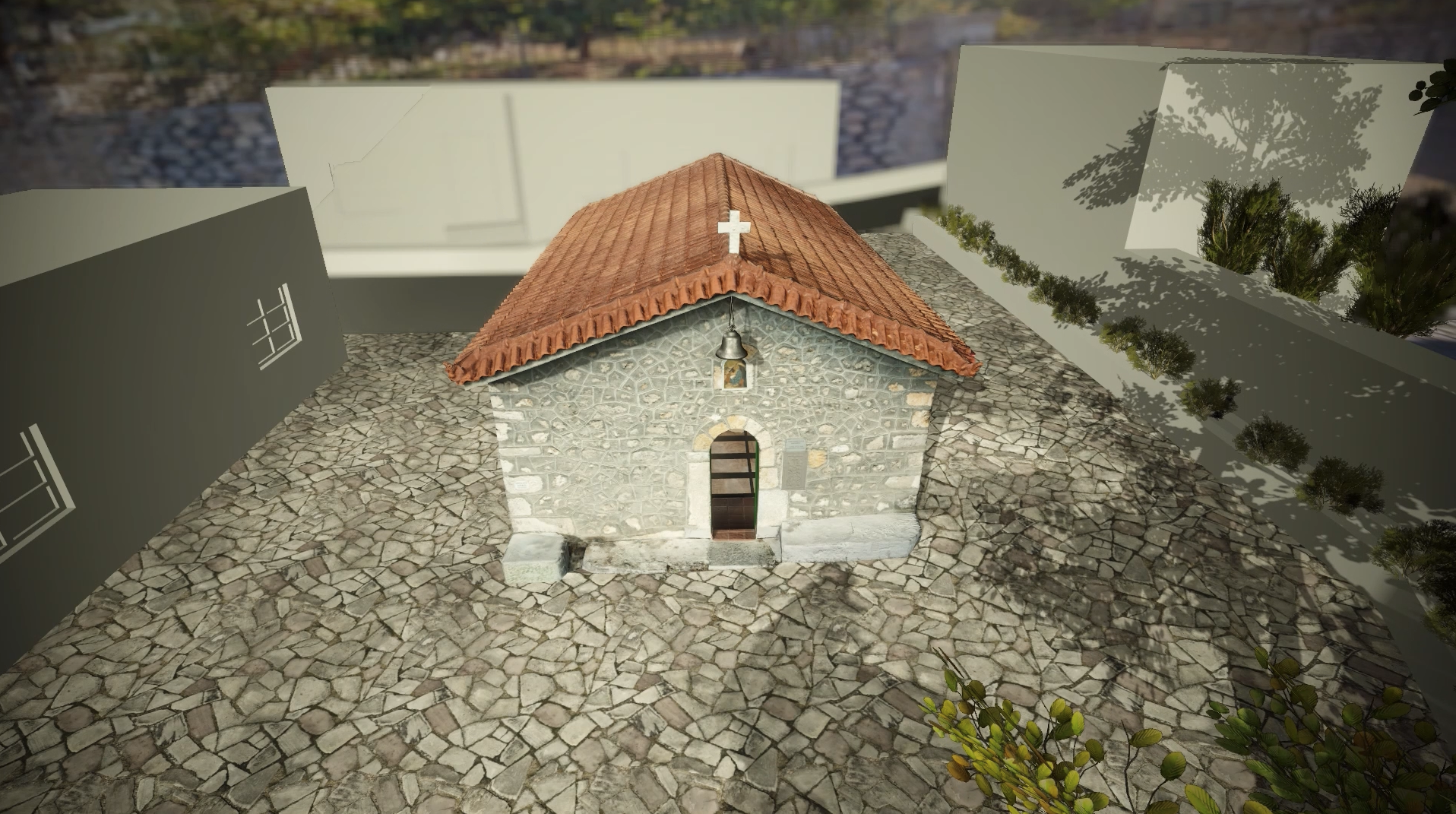
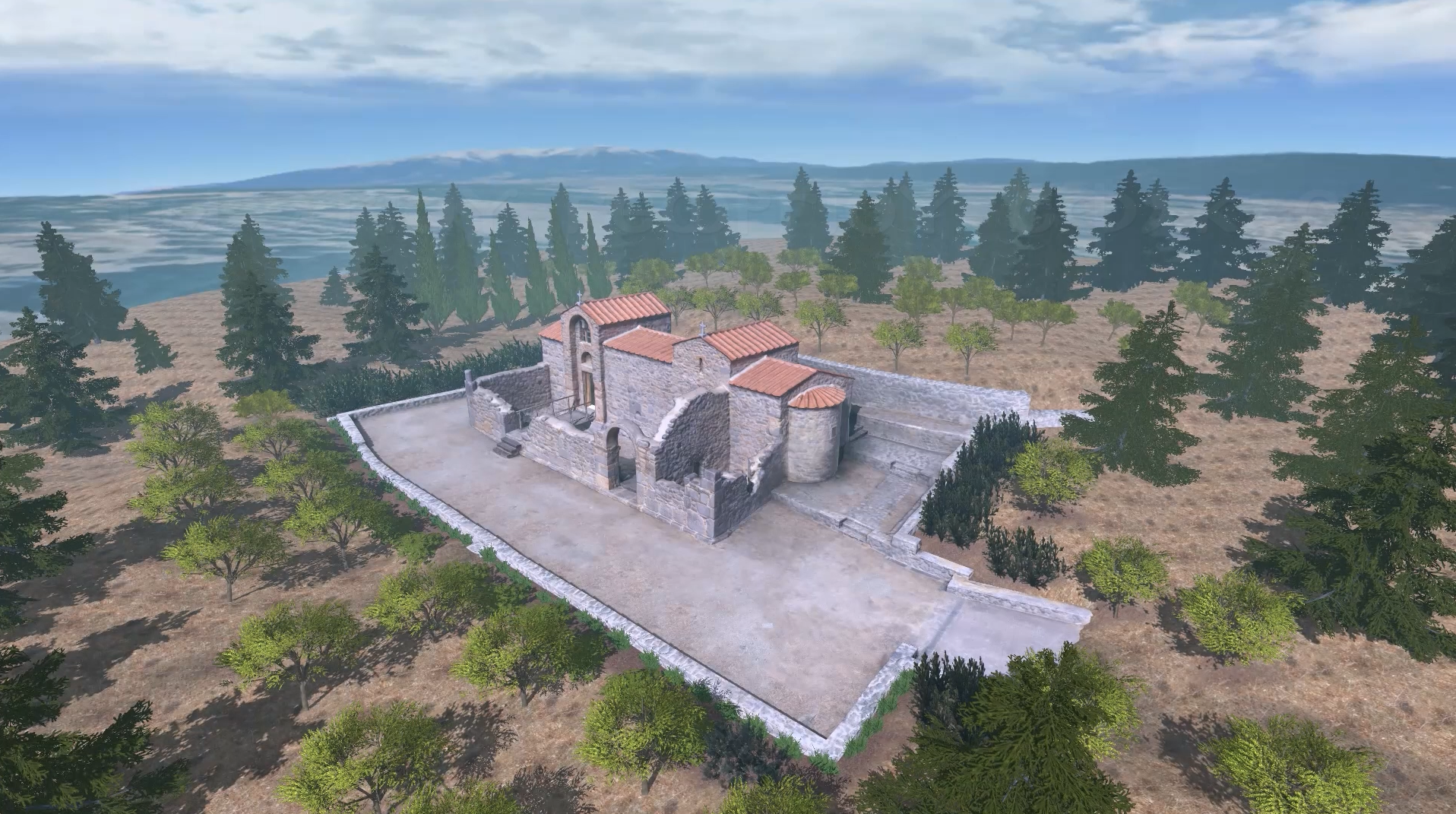
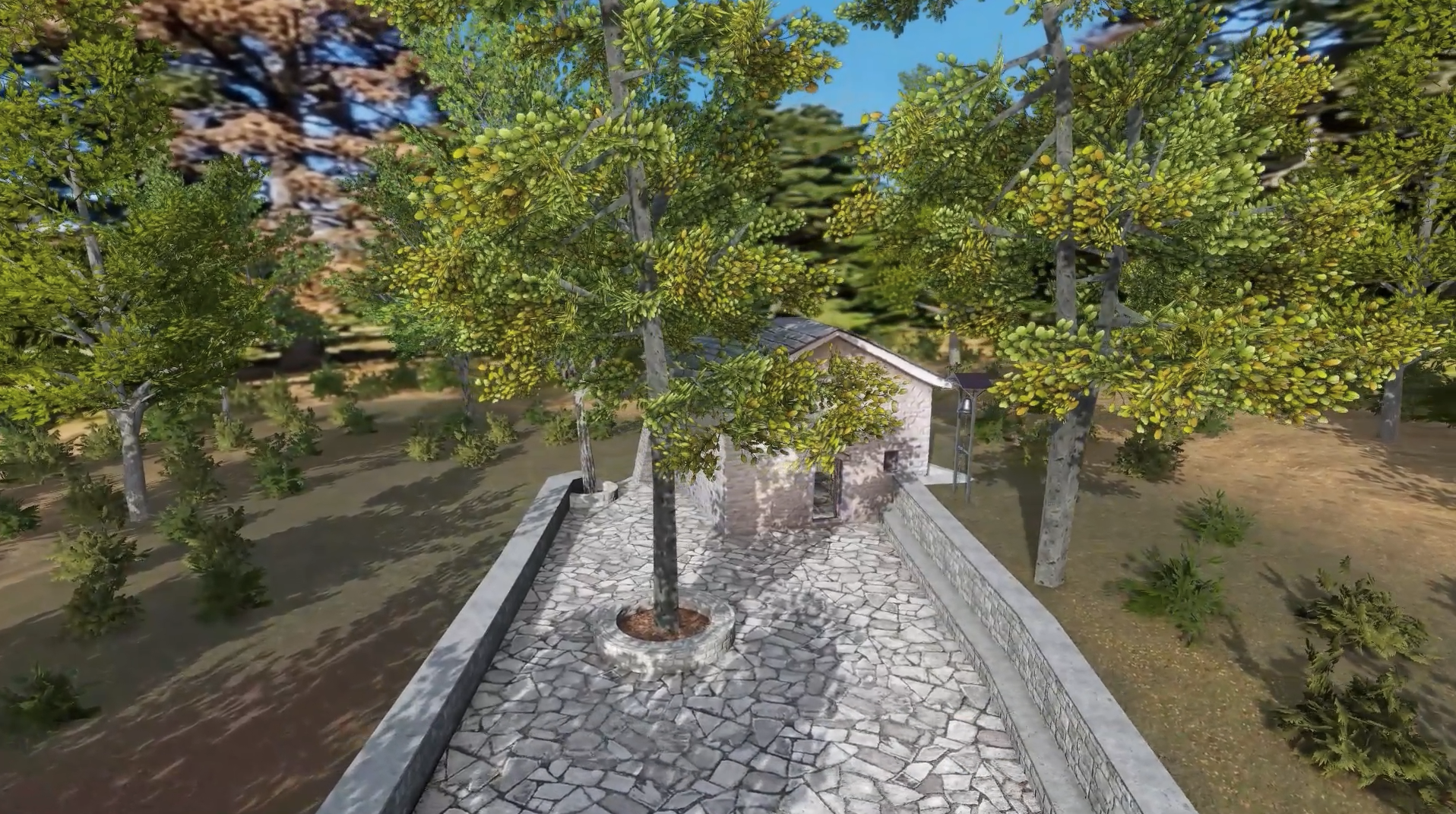
The monastic complex of Profet Ilias, featuring an imposing defensive enclosure, is situated northwest of the village of Zeli in Lokrida, built upon a hill on a ridge approximately 200 meters high. The foundation of the monastery dates back to the Frankish period, though it underwent extensive interventions during the Ottoman period. The church serves as the catholicon of the monastery and was constructed in the 18th century.
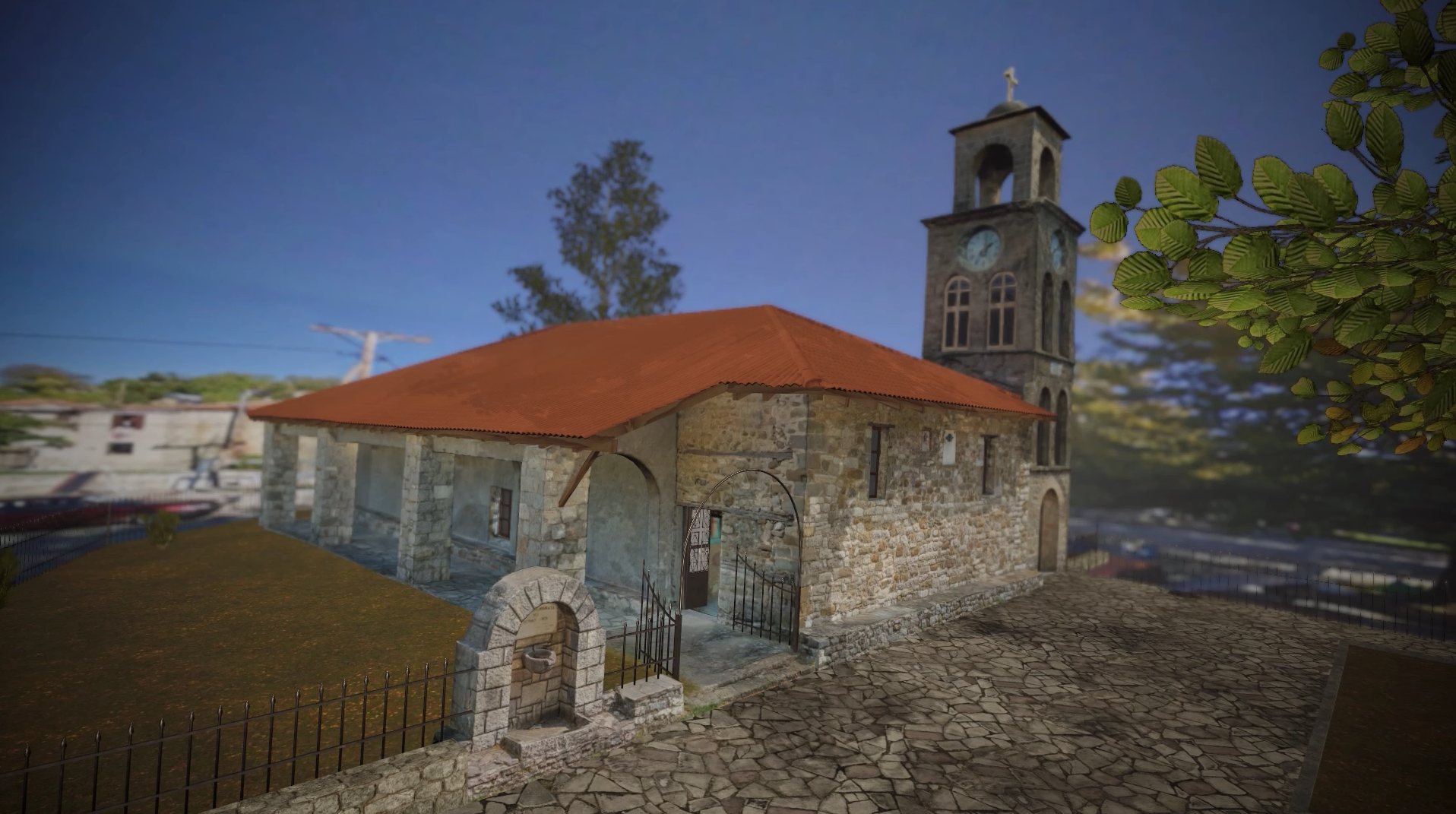
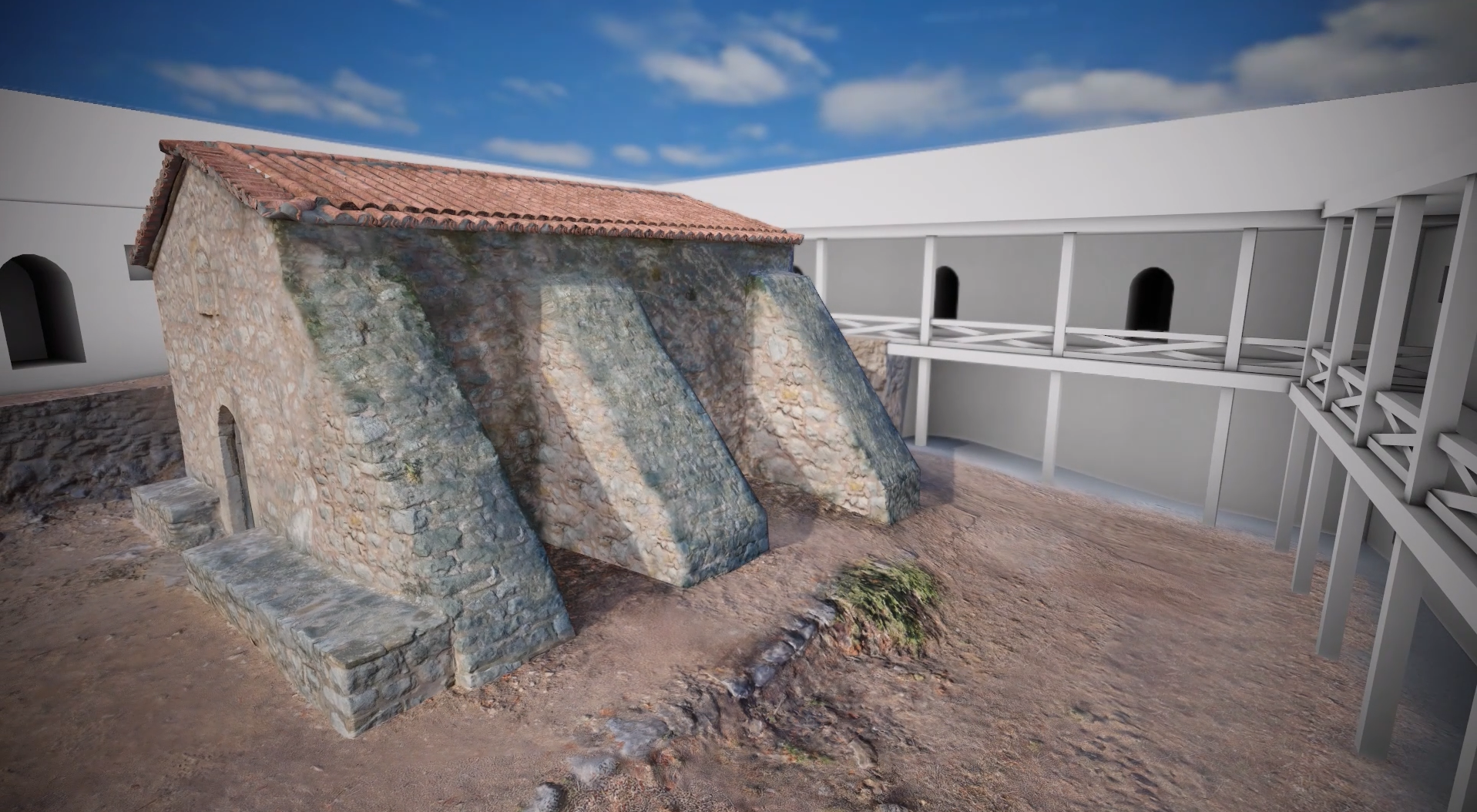
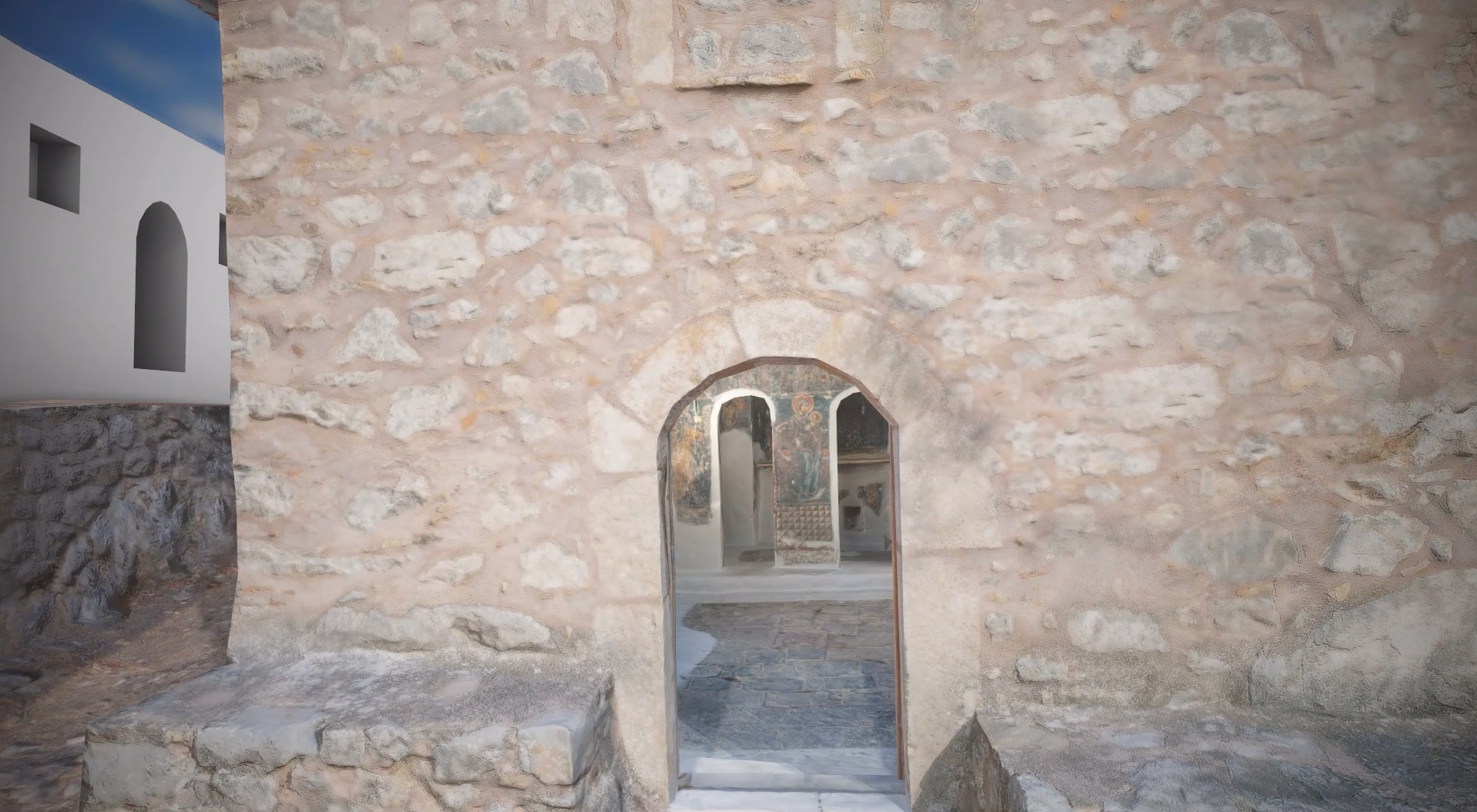
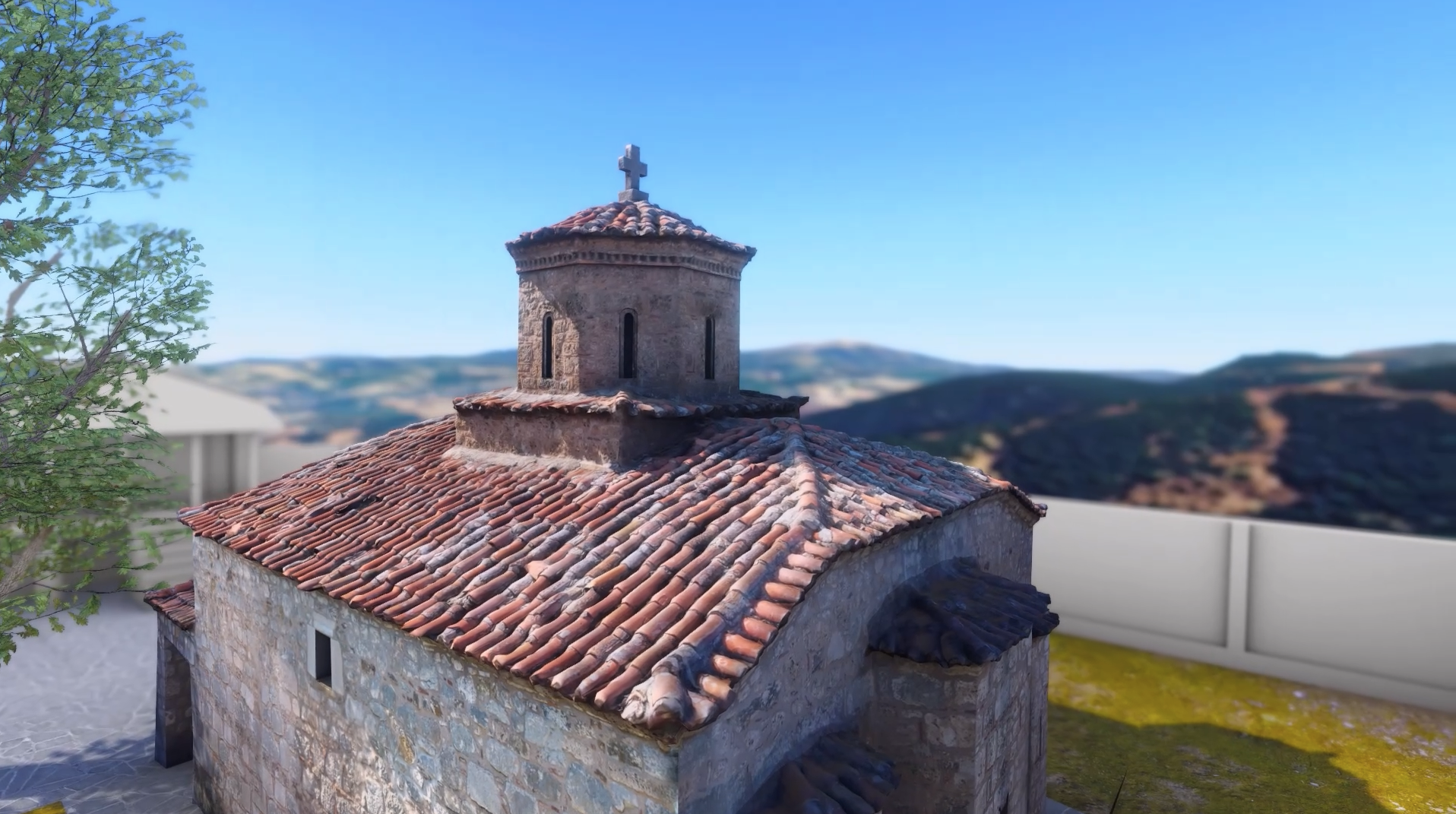
The church is a small, single-isled, barrel-vaulted basilica with a roof covered in ceramic tiles. The masonry consists of irregular stones, using finely dressed stones, exclusively at the openings of the doors and windows. It is probable that the church faced structural stability issues, to which the construction of the three large stone buttresses on the south side can be attributed.
The barrel vault roof covering the church is supported by arches made of finely dressed voussoirs that sit flush against the lateral walls. It is considered probable that the church was originally a three-aisled basilica featuring masonry arcades between the aisles. The pointed apexes of the arches are considered to reflect Western influence.
The church featured a rich iconographic program dating to the 18th century. Today, the frescoes are preserved fragmentarily on the upper registers of the walls and on the barrel vault of the ceiling. The central section of the vault, along the East-West axis of symmetry, is dominated by a medallion which originally must have contained the image of Christ Pantocrator.This medallion is encircled by a concentric, circular zone decorated with medallions depicting angelic hosts.
The composition of the concentric circles is inscribed within a rectangular field (diachoro), featuring painted decoration divided into two registers: the four Evangelists with their respective symbols are depicted in the four spandrels around the central circular layout, while the lower register features the Prophets. This specific iconographic program typically adorns a dome, which in ecclesiastical architecture symbolizes the celestial vault. The composition, as observed in the Church of Profitis Ilias, adapts this specific iconographic program and its theological symbolisms to the structural configuration of the barrel vault.
The nave is separated from the Sanctuary by a masonry templon featuring two arched apertures: the Beautiful Gate and the northern secondary door leading to the Prothesis. The frescoes are contemporary with those in the rest of the church. To the left and right of the Beautiful Gate, the enthroned Virgin Mary with a child Christ and Christ Pantocrator are depicted, respectively.
In the upper register of the masonry templon, the Apostles are rendered in bust format, flanking the central composition of the Deesis, with Christ in the center, the Virgin Mary on the left, and Saint John the Baptist on the right. The iconographic compositions of the templon are complemented by the figures of Saint John the Baptist and the Prophet Ilia on the intrados of the arches on the south and north walls, respectively.