
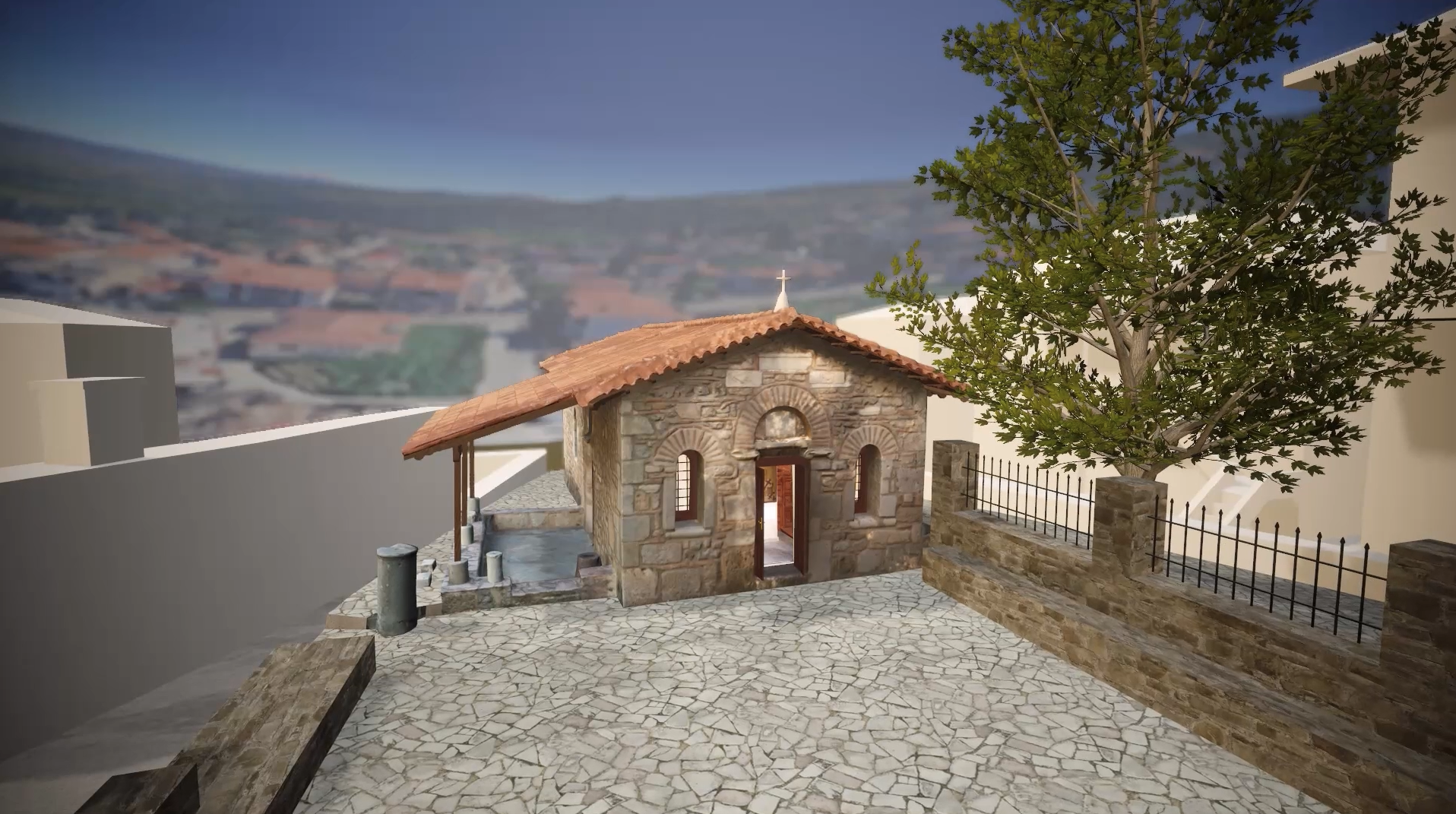
Holy Church of Saint Sophia in Ypati
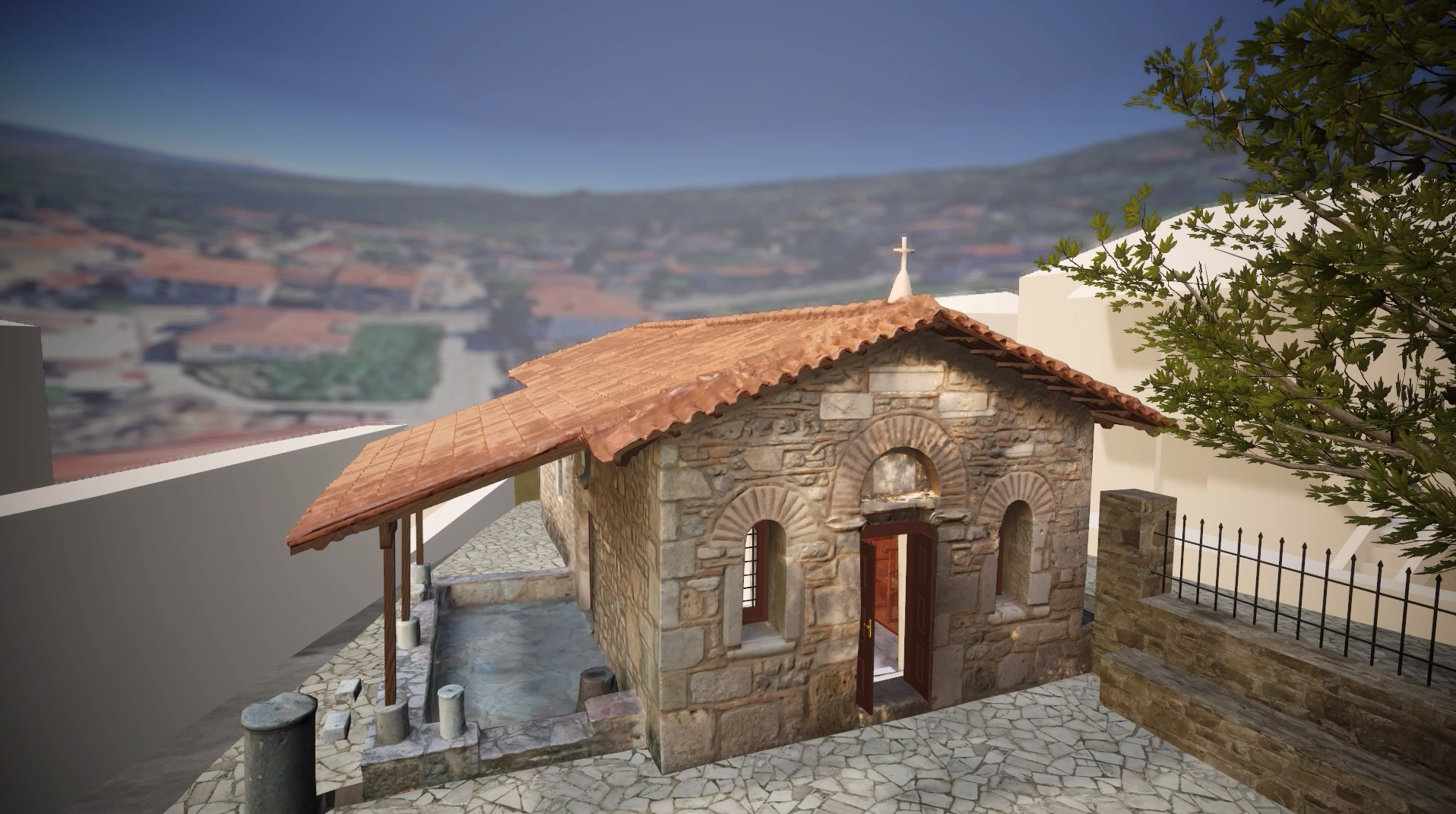
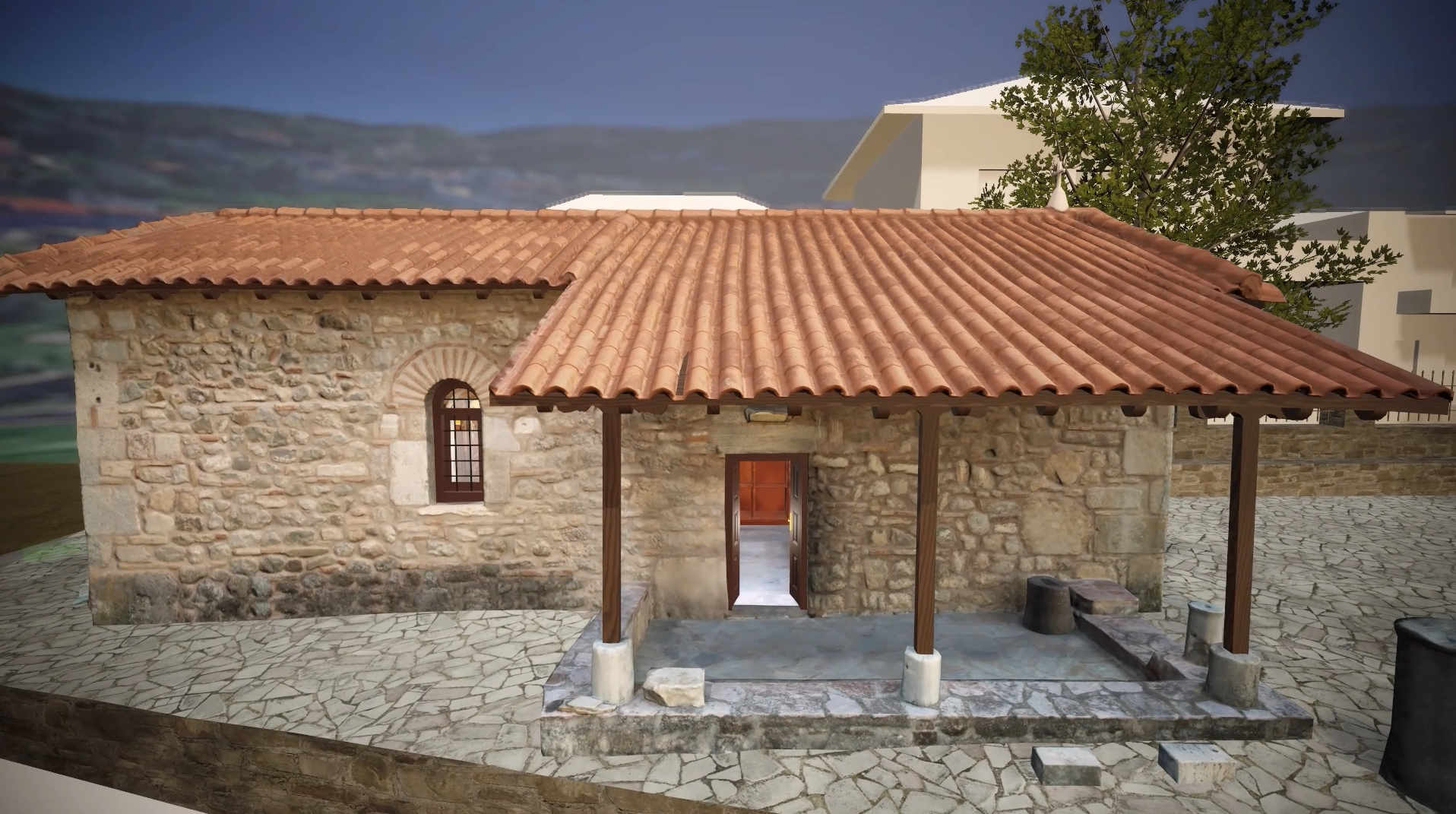
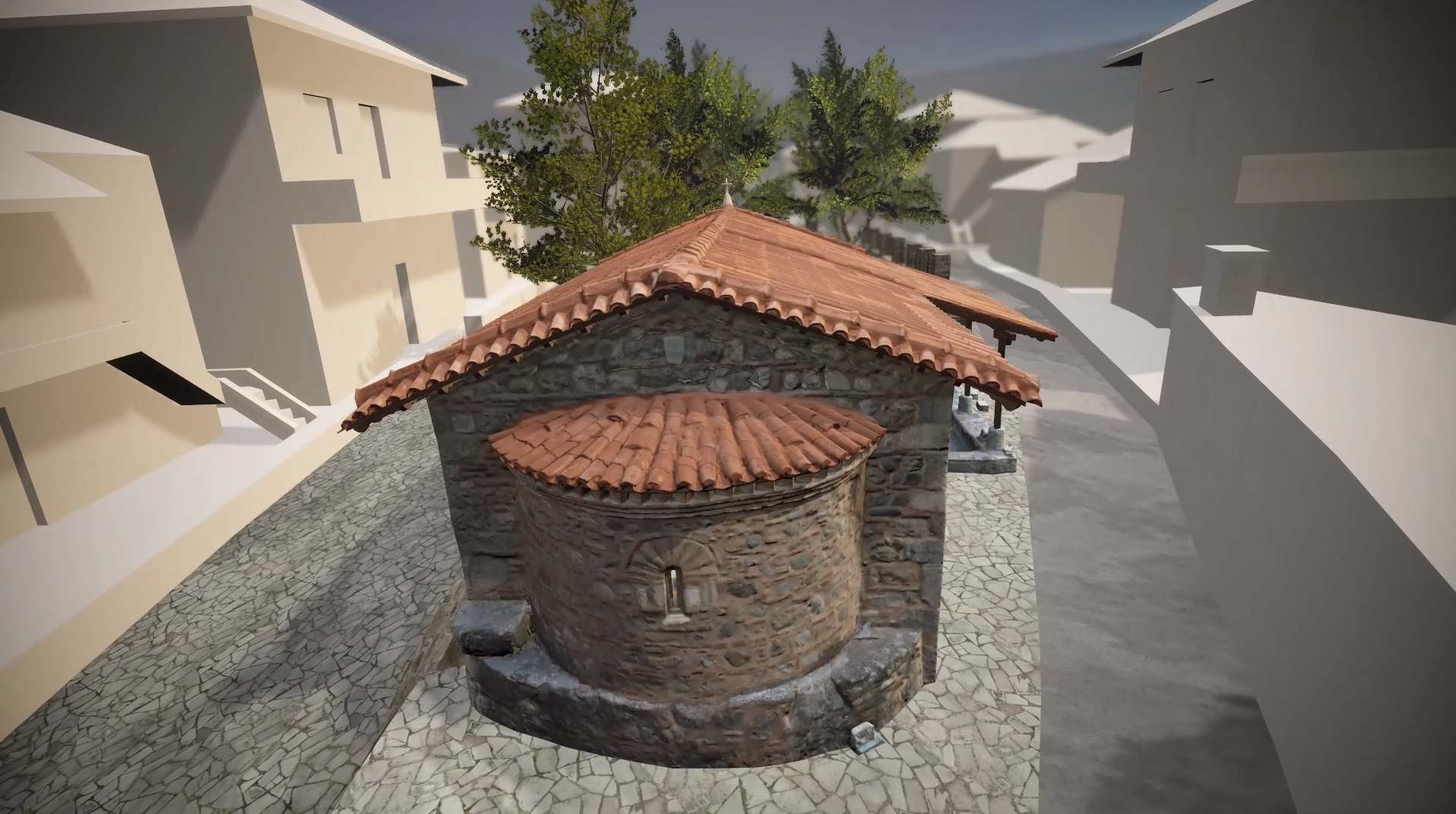
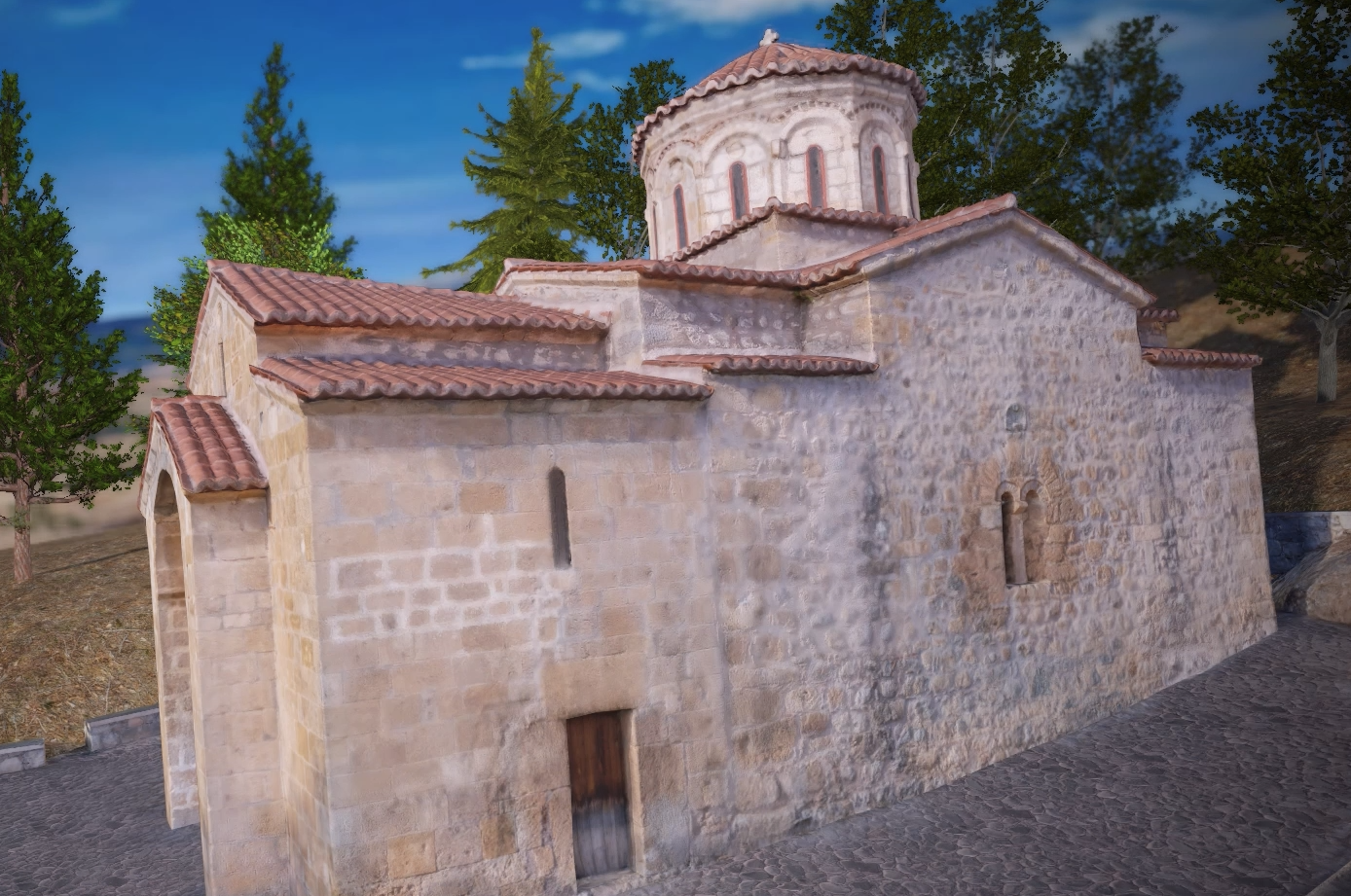
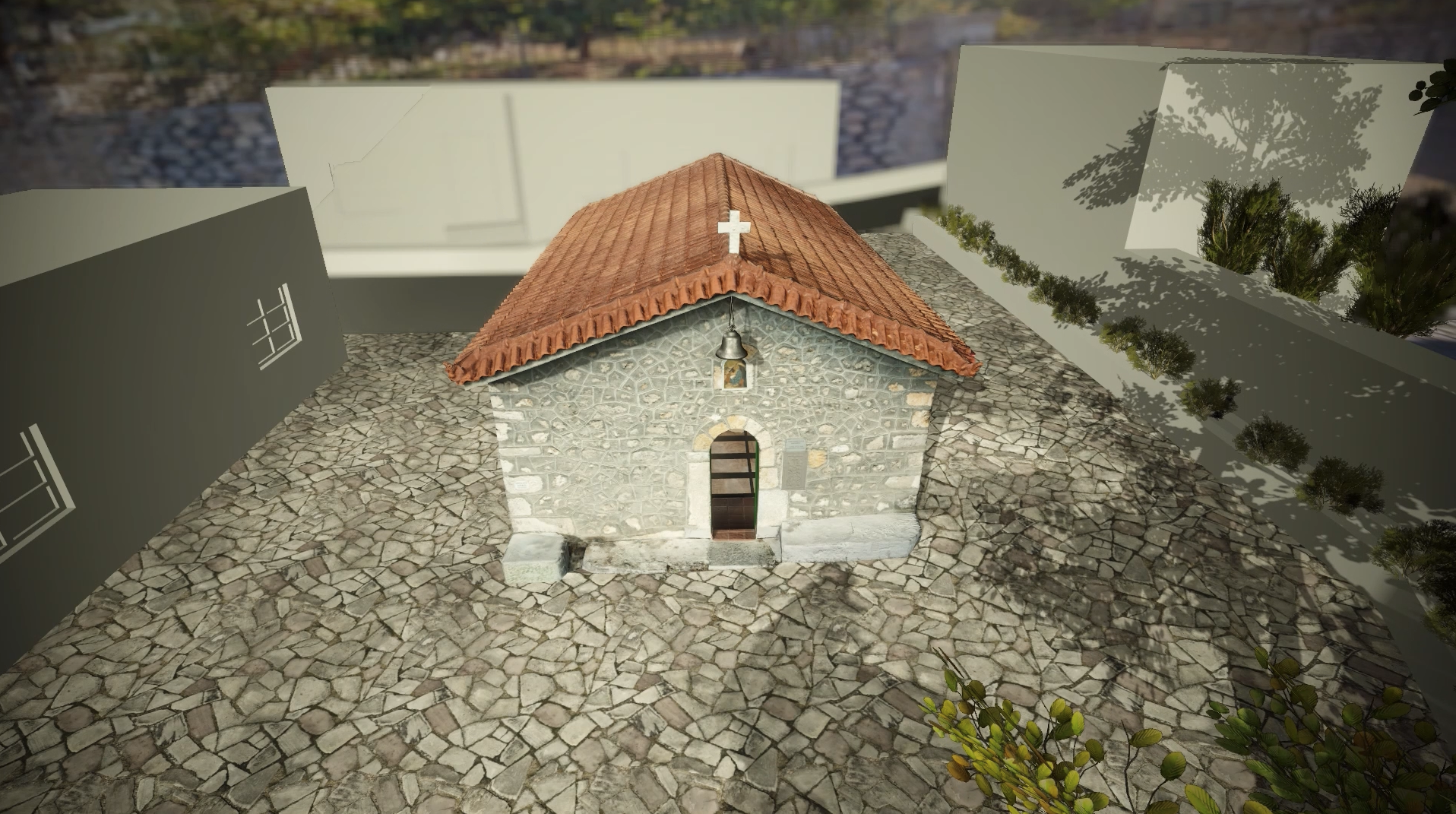
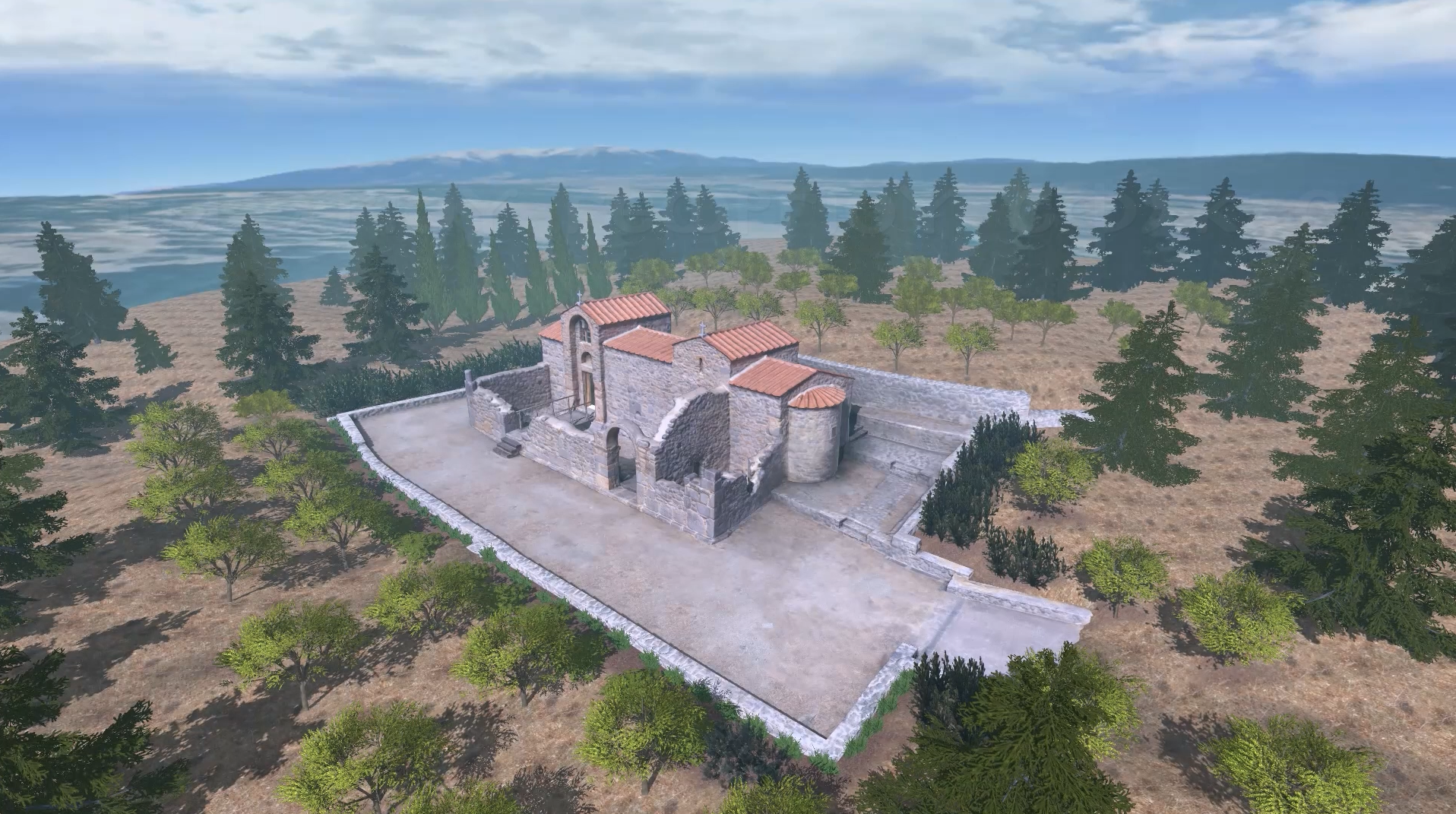
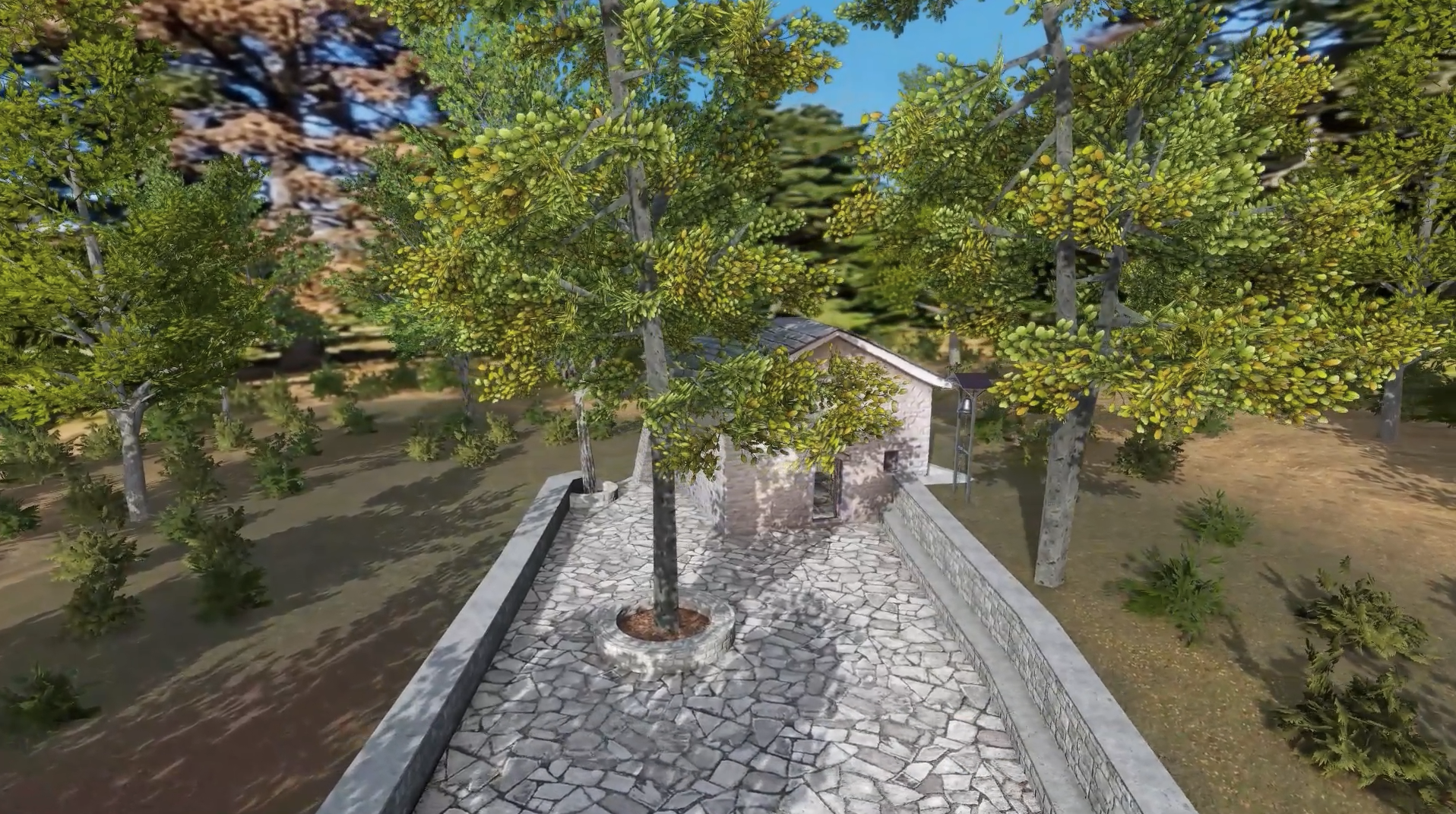
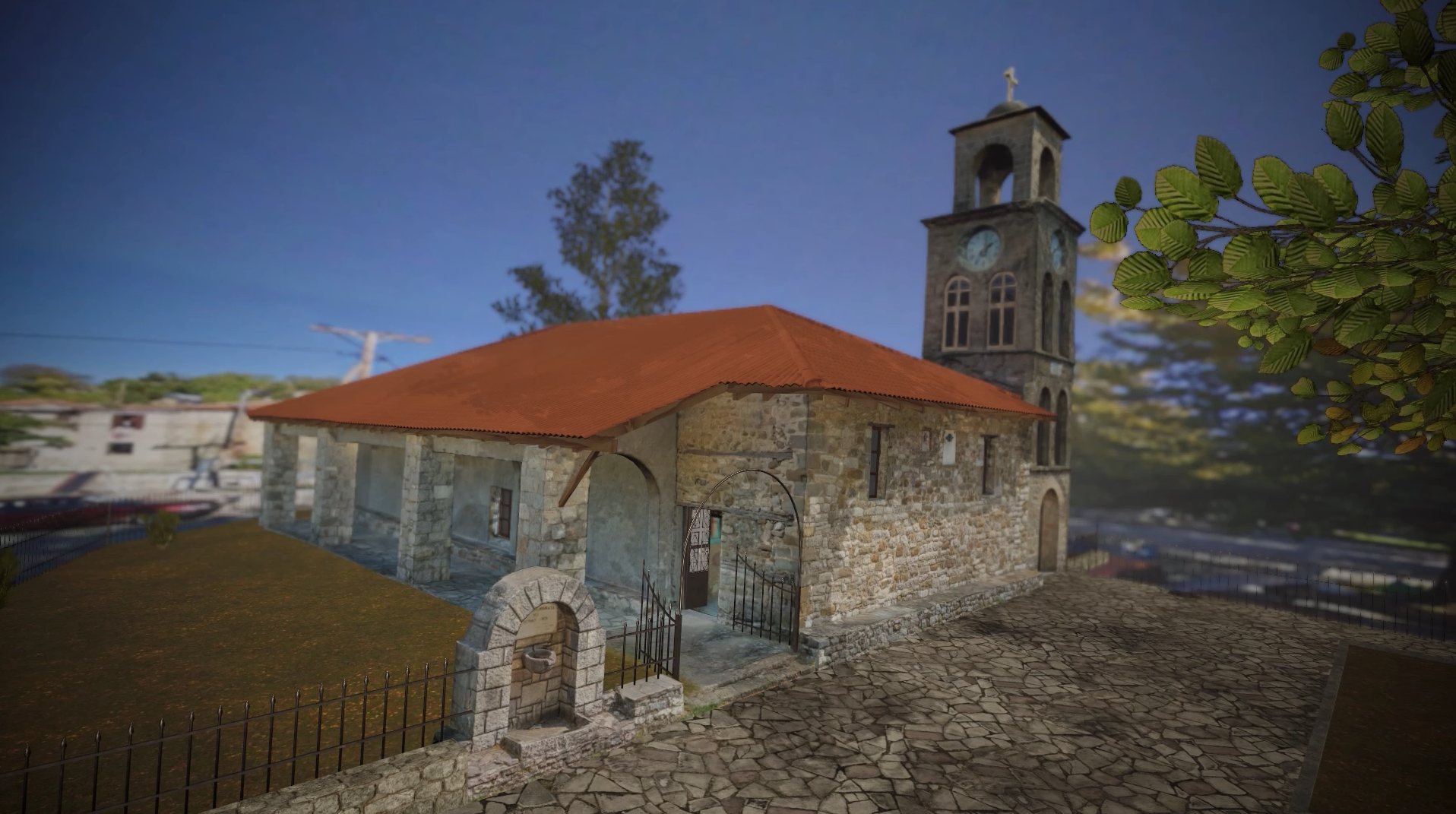
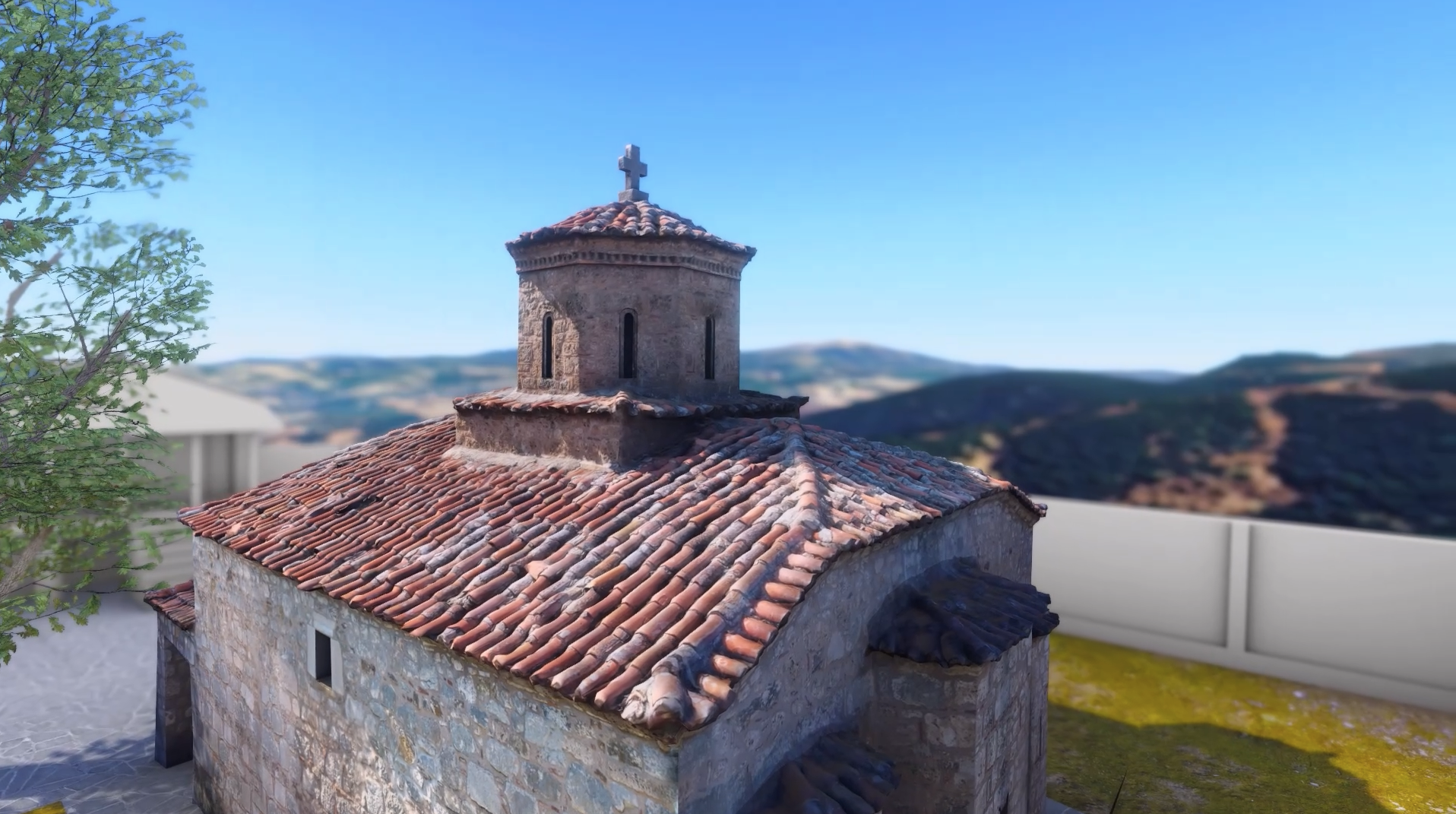
The Church of Hagia Sophia stands on the eastern hill at the entrance to Ypati.It is a small single-aisled church with a narthex and a wooden roof covered with tiles. After the destruction of Ypati on 17 June 1944 by the German occupation forces, Hagia Sophia served for a time as the parish church, replacing Saint Nicholas, which had been burned in the attack. Between 1978 and 1995 it underwent systematic restoration and acquired its present form.
On the site of the present church, earlier sacred buildings existed over the centuries: an ancient temple, an Early Christian basilica, a Byzantine church—and, according to one view, the cathedral of the Frankish and Catalan archbishopric—and later a post-Byzantine Orthodox church. Many architectural elements from these earlier structures remain in the courtyard, while on the plot south of the church, remains of a 5th-century Early Christian baptistery have been found.
Architectural and sculptural members from ancient and medieval buildings have been incorporated into the masonry of Hagia Sophia. On the west wall, two Ionic capitals and an ancient base with traces of an inscription are embedded. In the niche above the entrance, a relief slab—probably late Byzantine—has been placed, depicting a crowned double-headed eagle beneath a cross, surrounded by vegetal ornament. Below the eaves, a marble slab with an incised inscription is embedded, flanked by two relief plaques with animal motifs. These plaques may have come from the sculptural decoration of Saint Nicholas of Ypati.
The inscription embedded above the entrance records the date 1643 or 1646. At that time, an extensive renovation was carried out, including the roof, the ceiling, and the templon, funded by the priest Ioannis.
“Jesus Christ our God. In the year 1646. The church of Hagia Sophia was renovated completely, and also the exterior, and the ceiling, and the templon, through the contribution and expense of me, the sinful and unworthy servant of God, Ioannis, priest and sakellarios.”
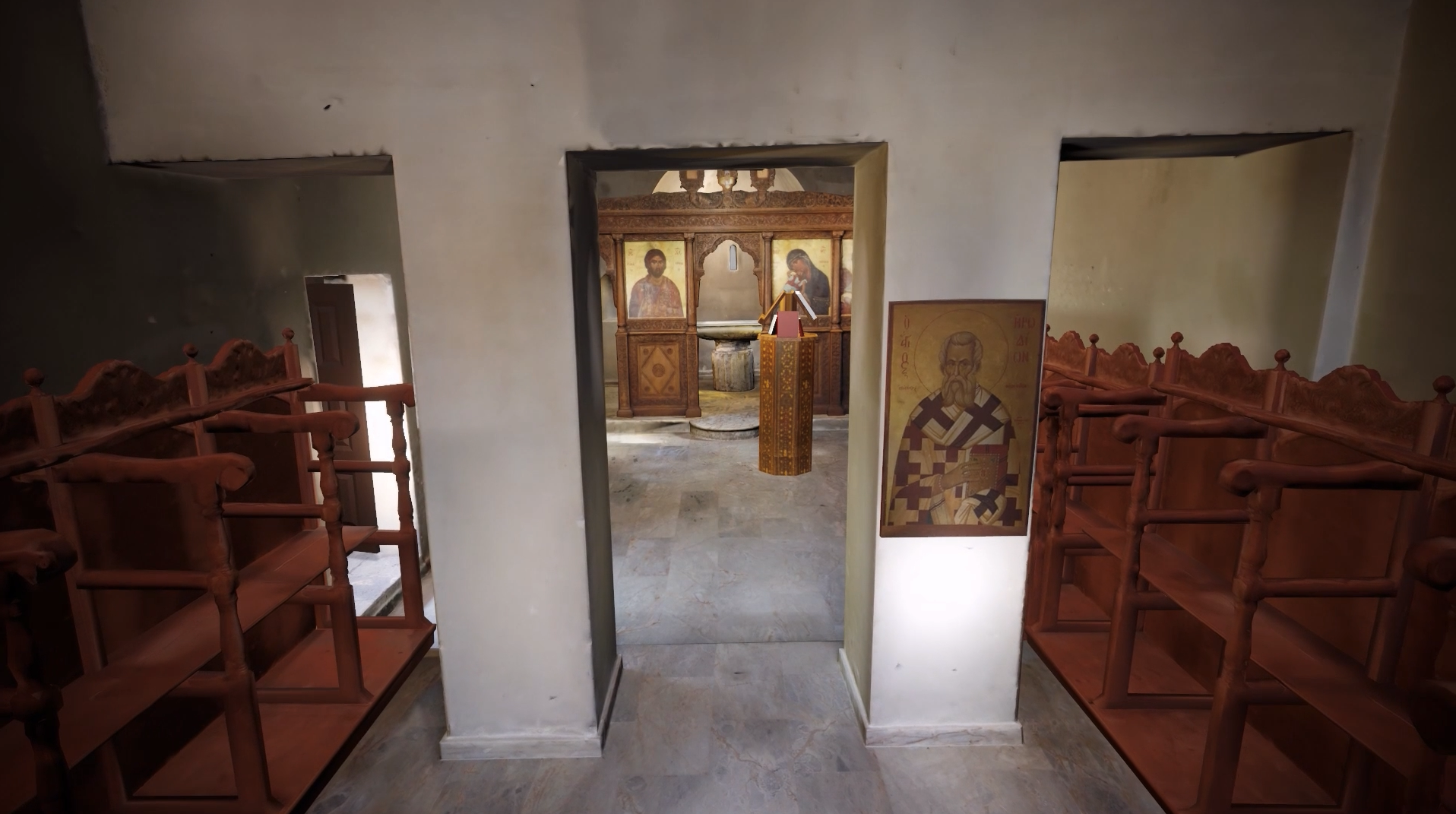
Inside, the church is divided by a stone wall into the main nave and the narthex. The floor of the narthex is raised in relation to the nave. The narthex is an addition from the most recent renovation, dating to the 20th century. It is separated from the nave by a wall in which three rectangular doorways open.
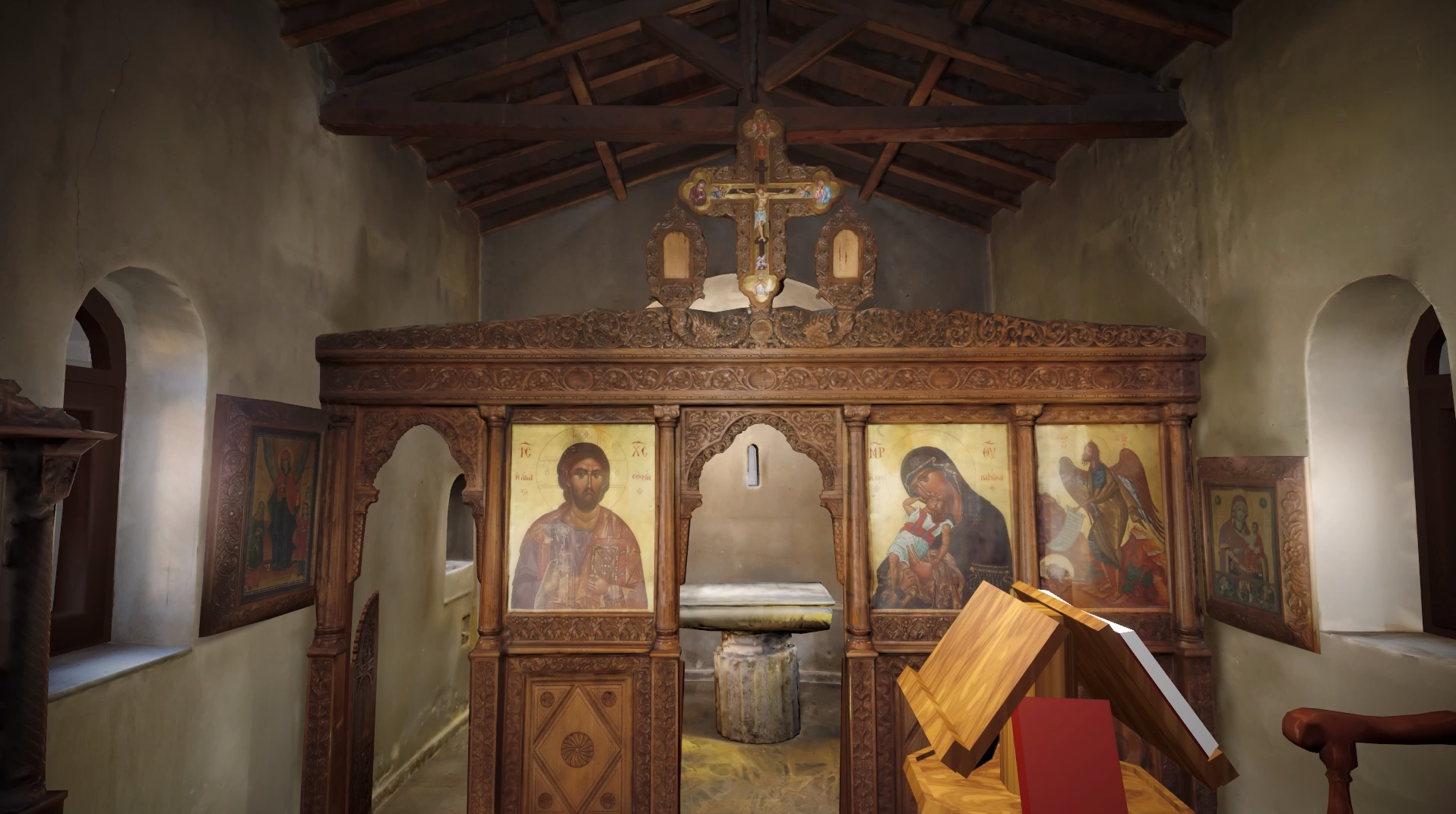
The interior of the church is simple and without a ceiling. The recently reconstructed roof is visible directly. The walls are plastered and bear no frescoes. The carved wooden templon was made around 1995. It incorporates the three despotic icons: Christ, the Virgin holding the Child, and Saint John the Baptist.
On the south wall, to the right of the templon, there is a two-tier portable icon of the Panagia Prousiotissa, dating to the 19th century. Likewise, on the north wall, there is another 19th-century portable icon depicting Saints Sophia, Pistis, and Elpis.
On the north wall, we also see a large portable icon of the Panagia Prousiotissa. It is a 1983 work by Fr. Karagiannis, who also signed the despotic icons incorporated into the templon. The tradition of the miraculous icon of the Panagia Prousiotissa—brought from Prousa (modern Burse) in Asia Minor in the 9th century to save it from the iconoclasts—holds special significance throughout Mainland Greece. Hagia Sophia also preserves an older icon of the Virgin Prousiotissa, on the wall to the right of the templon, by the painter Anagnostis from Grevena in 1861.
In the sanctuary, the apse occupies almost the entire eastern wall. The Altar Table is composed of ancient architectural members. On the north wall, a small blind arched opening is preserved, and on the east wall a small niche for the Prothesis, accessed directly through the northern door of the templon.