
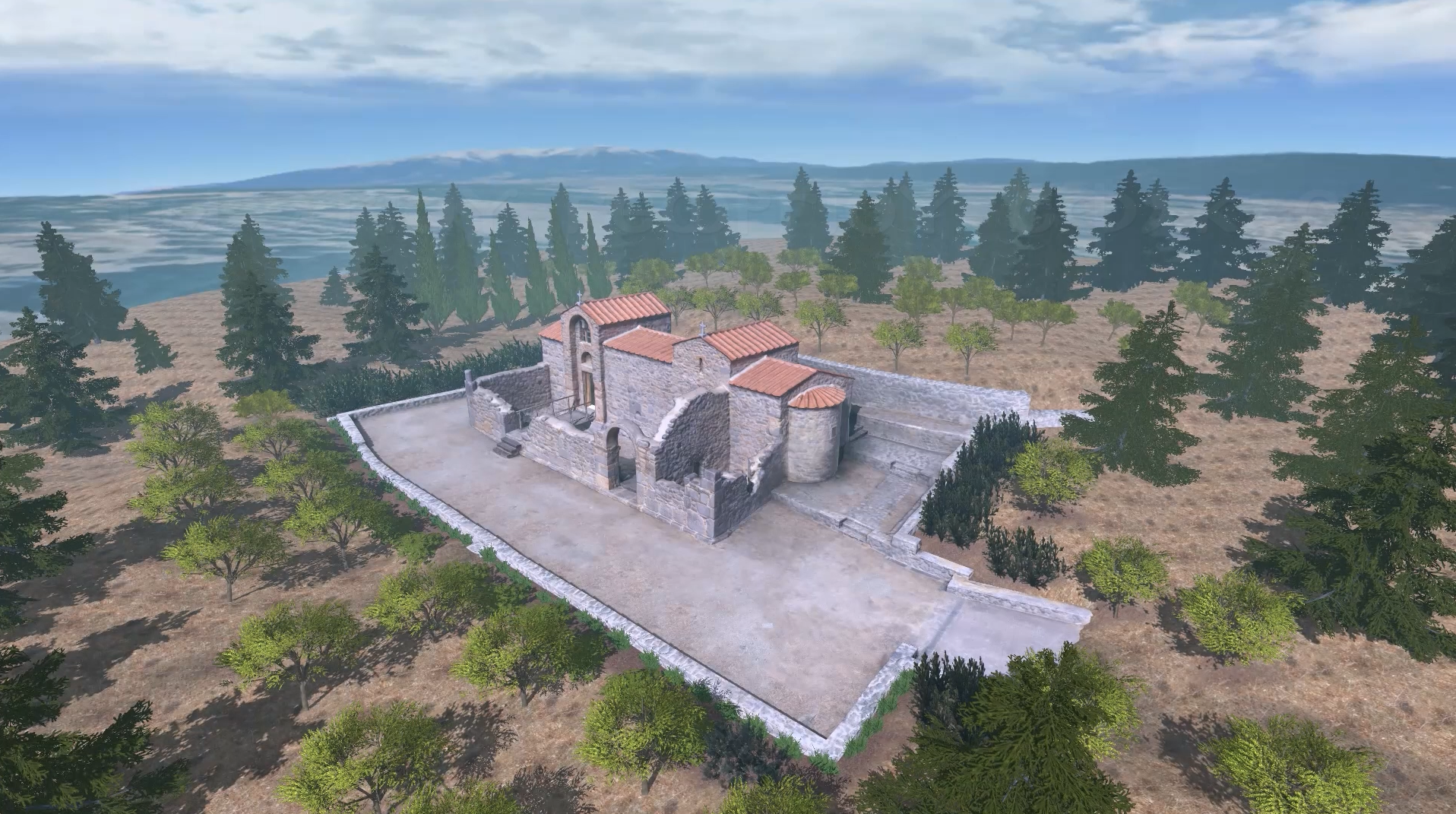
Holy Church of Saint George in Sfaka
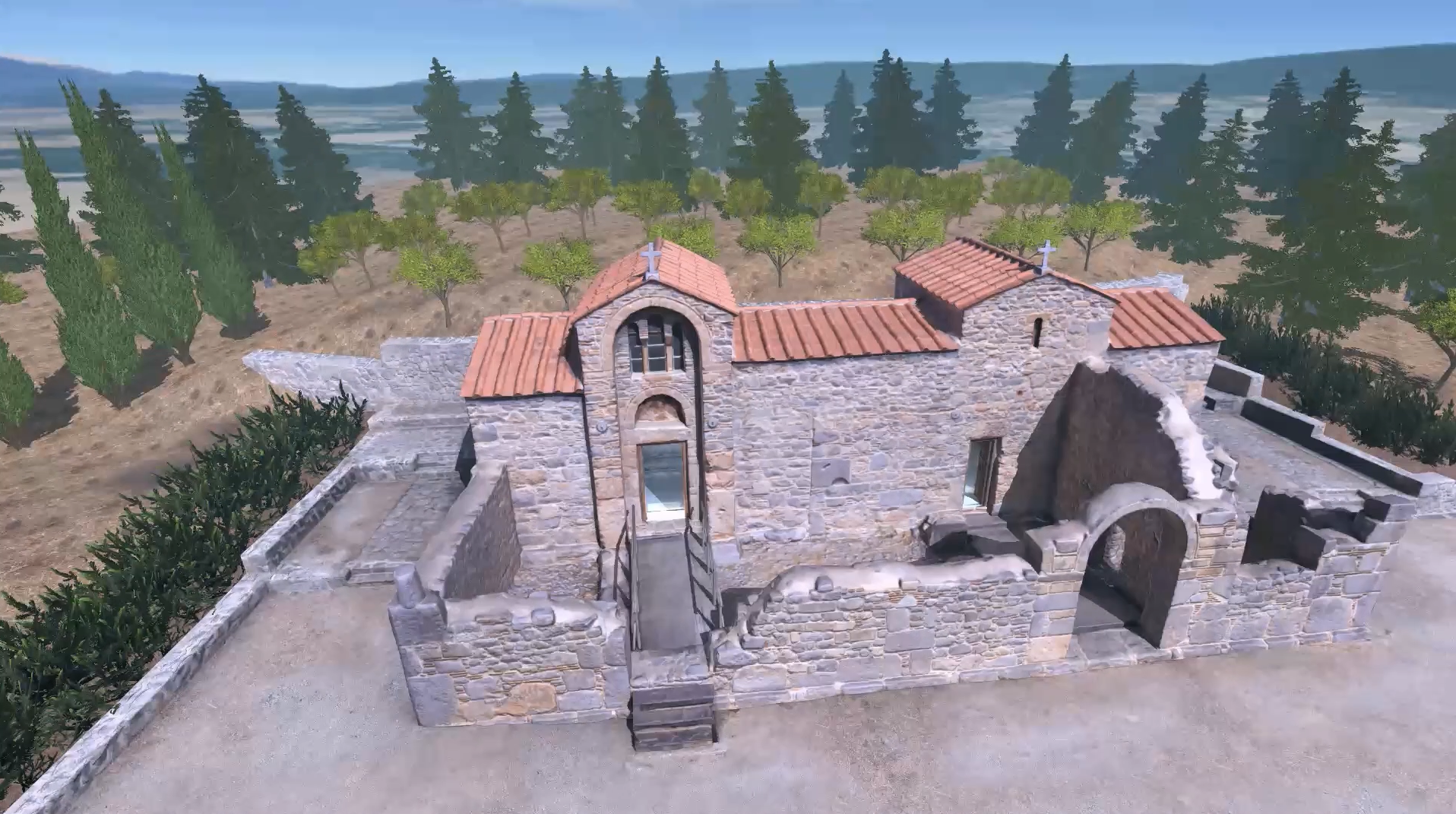
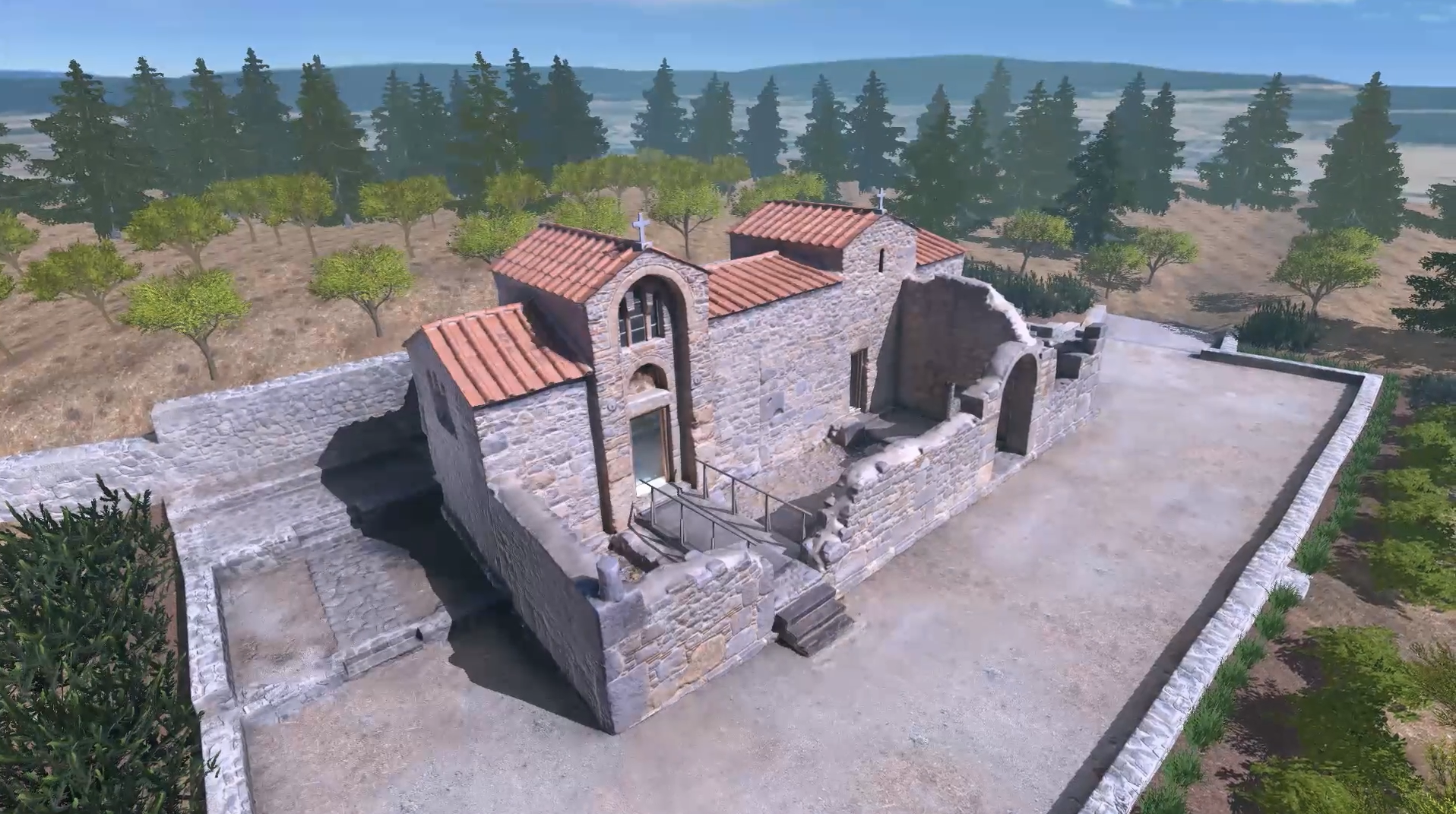
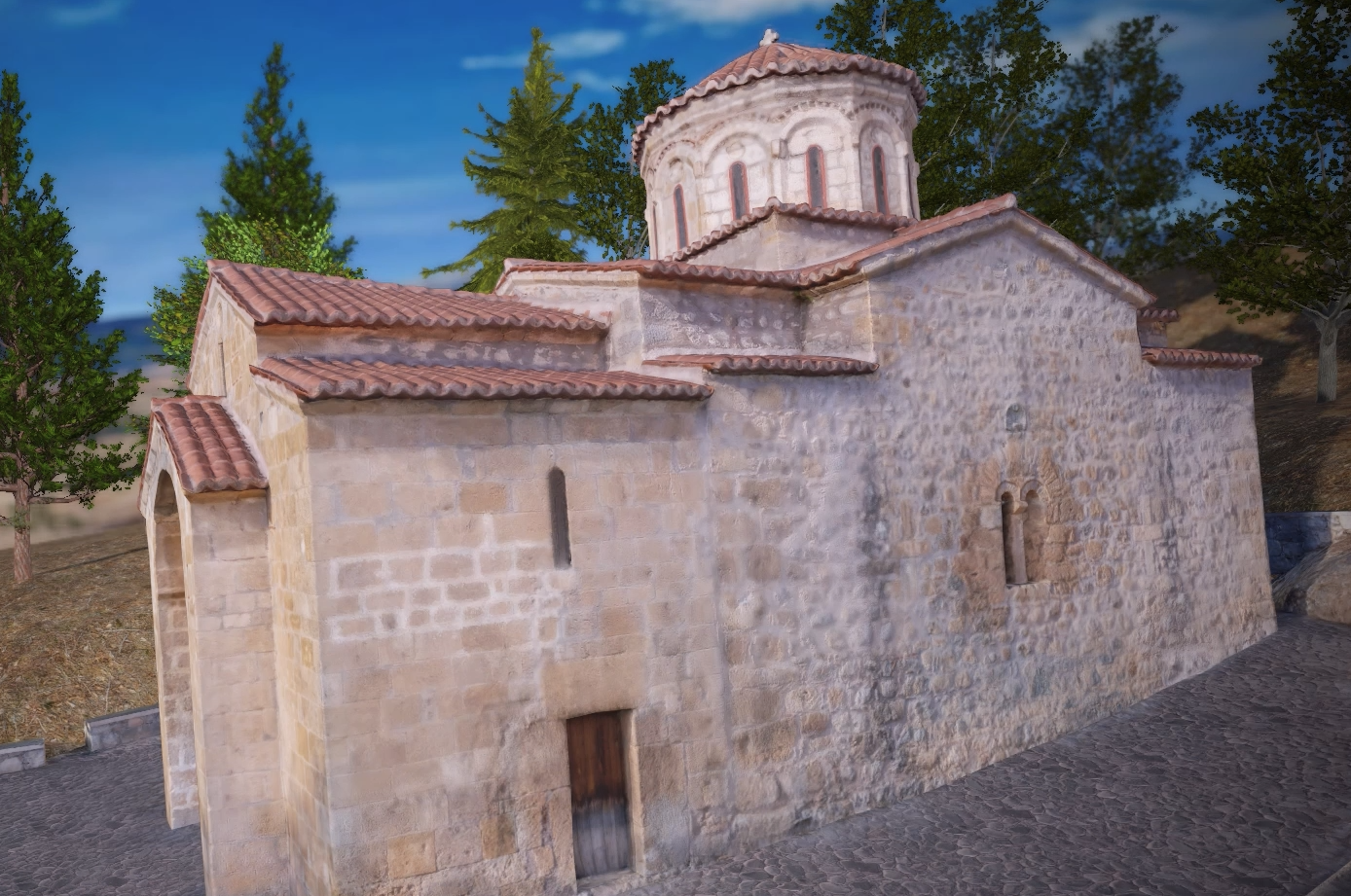
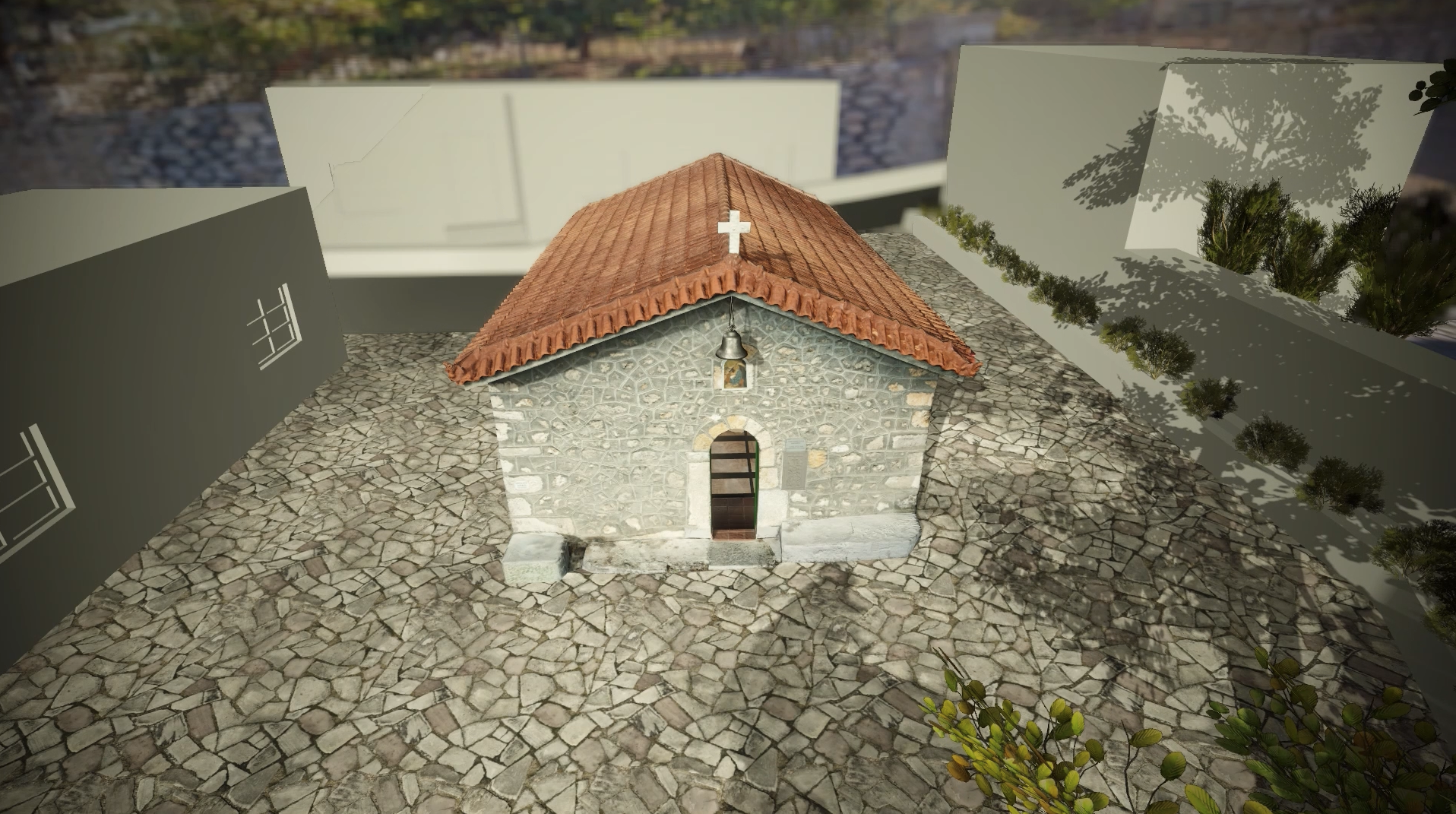
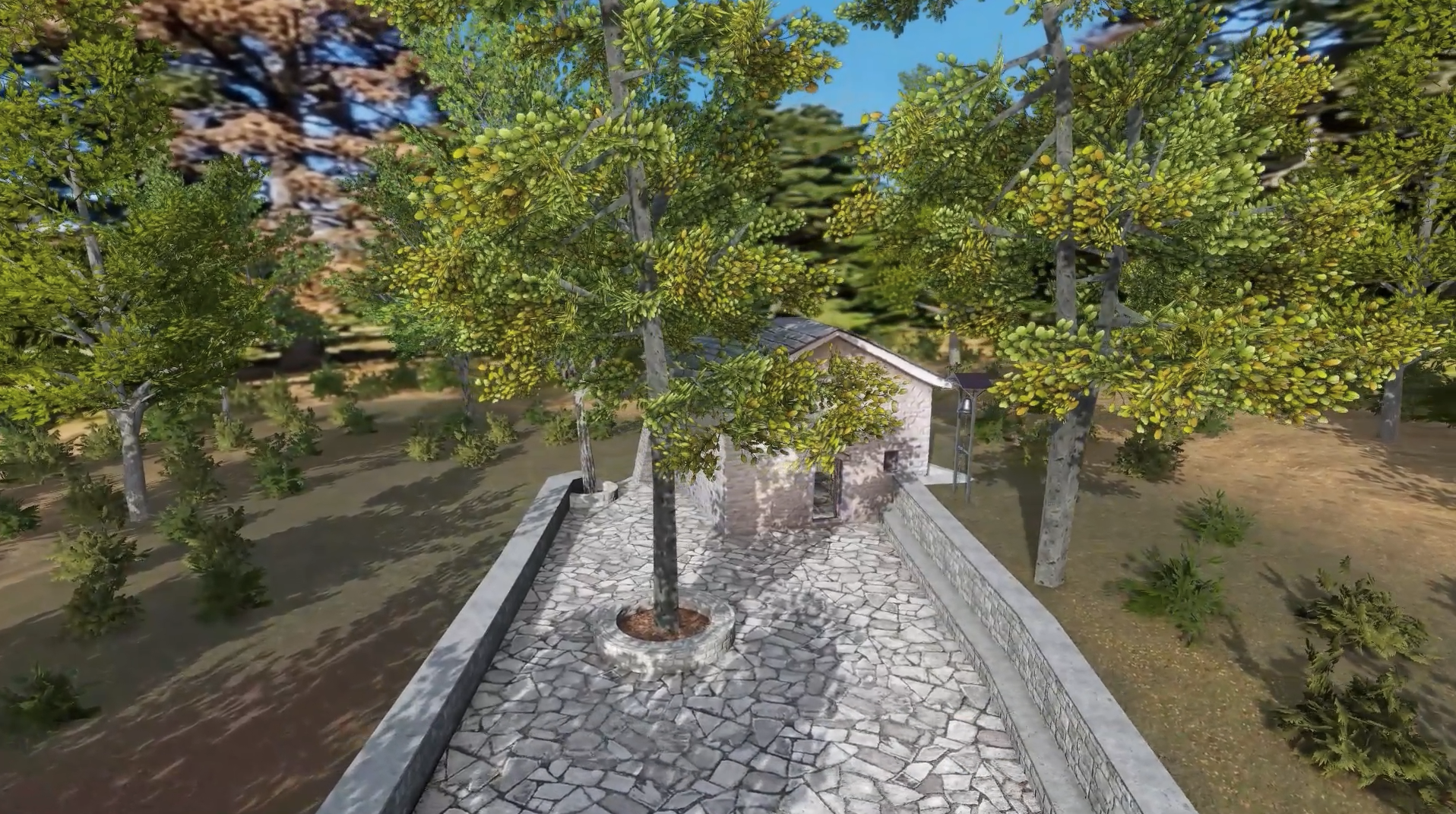
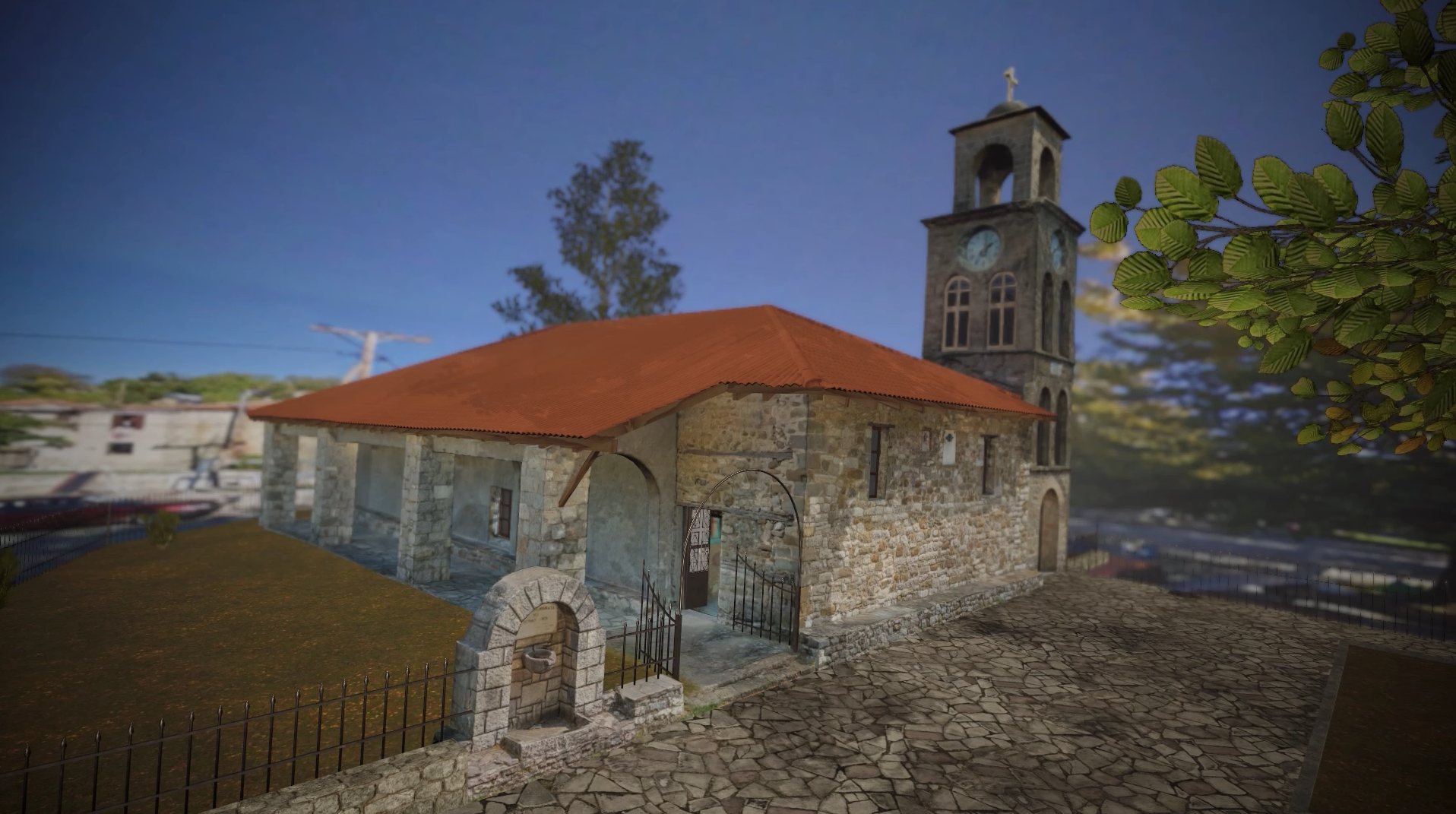
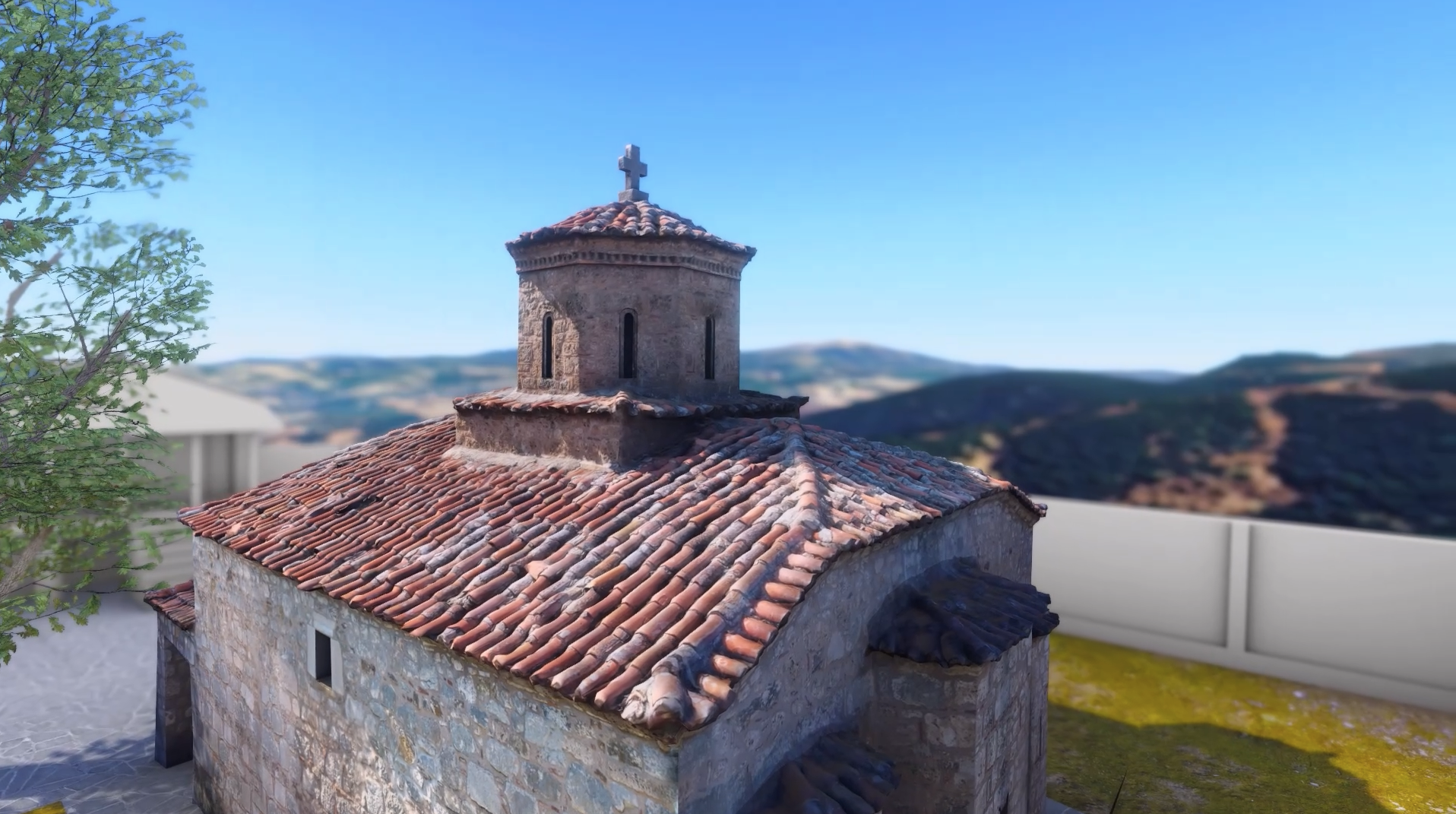
The Church of Saint George stands along the Atalanti–Livadeia road, near the village of Sfaka. It was most likely the katholikon of a monastic complex that no longer survives. The monument has an elongated ground plan and preserves at least three construction phases, dated between the 13th and 16th centuries. The nave is roofed with a barrel vault, above which rises a transverse barrel vault at the midpoint of its length. This structural feature defines the church as belonging to the cross-vaulted type. The sanctuary apse is semicircular. The southern long side of the church preserves two entrances.
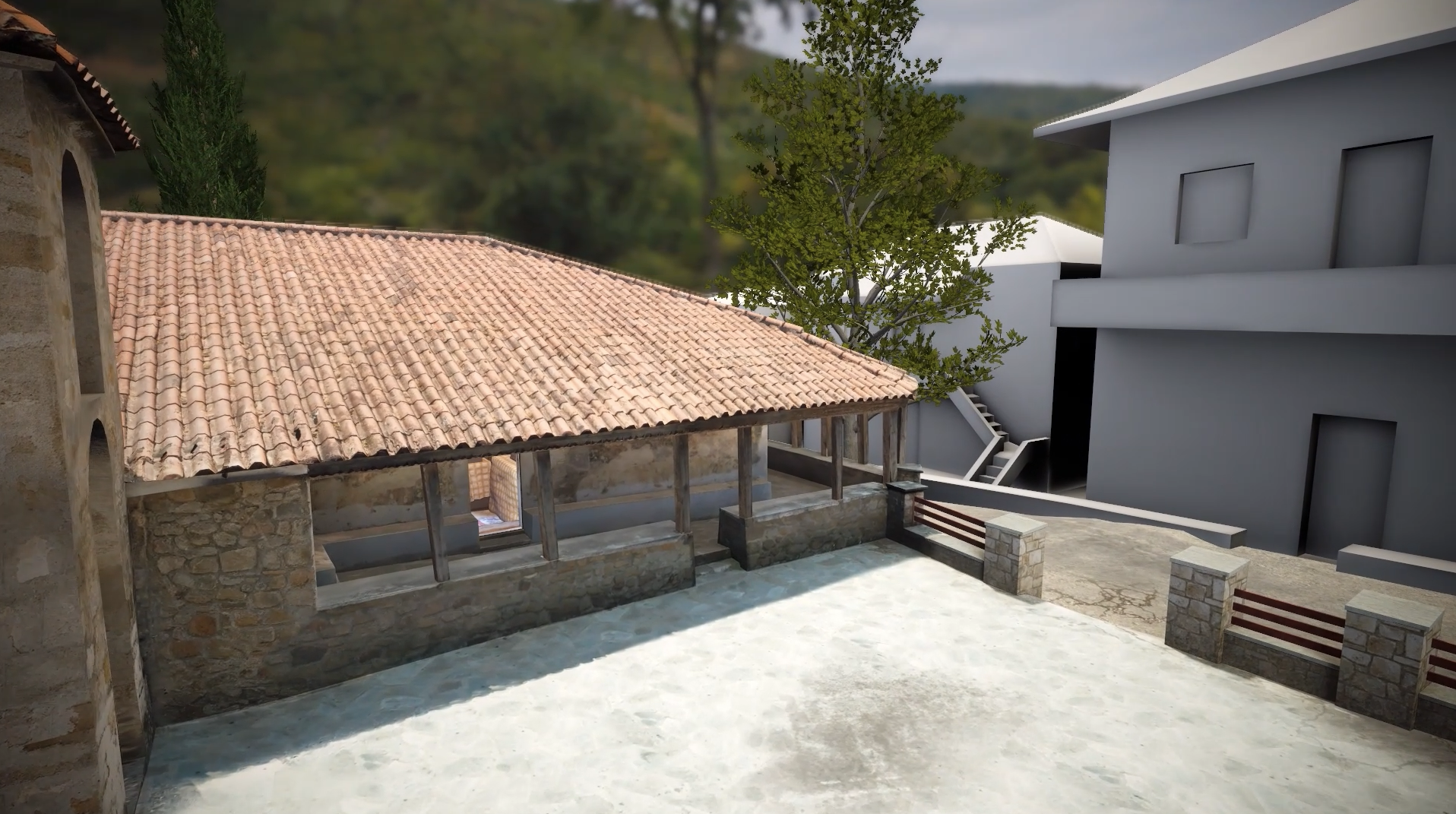
Along this same southern side runs the remains of an earlier portico, constructed of ashlar blocks and thin brick courses. This masonry technique allows the dating to the 13th century, indicating that the present church replaced an earlier structure of unknown dedication. Several decades ago, the monument had a reinforced concrete roof and its exterior walls were plastered. Traces of these interventions remain visible on both the interior and exterior surfaces. In recent years, however, the church has been carefully restored and is now in good condition.
To the west lies the narthex, which also predates the nave and likewise belongs to the cross-vaulted type, datable to the 13th century. Its entrance is framed by a decorative masonry arch of tuff stone. Beneath the markedly projecting arch is a fine trilobed window, characteristic of 13th-century architecture. The small arches of the window rest on small tuff columns and are constructed with brick. Below the window is a niche containing a dedicatory fresco, depicting the offering of the church to Saint George. The monolithic lintel of the entrance is a reused block originating from an earlier structure on the site.
In the central part of the nave—at the position where a dome would normally rise in other church types—a transverse barrel vault is erected, corresponding to that of the narthex. This transverse vault rises higher than the longitudinal one, producing on the exterior roofline a clearly articulated cross form, from which the type derives its name. This architectural form spread widely in the Greek lands from the 13th century onward, the same period to which the narthex is attributed.
The nave is separated from the sanctuary by a masonry templon. Portions of the original fresco decoration survive, though in poor condition. A partially preserved inscription on the templon records the renovation and painting of the church between 1562 and 1571, when Greece was under Ottoman rule.
A second phase of fresco decoration, dated to the 18th century, is also discernible. This later, more vernacular phase is especially evident on the north wall, where scenes of the Last Judgment are depicted, including vivid representations of the punishments of sinners in Hell. Such themes became widespread in the Post-Byzantine centuries, reflecting contemporary social and political anxieties. Their popularity within traditional communities is linked to the expression of collective beliefs and concerns regarding sin, evil, and social tensions.
The inscription visible today lists the names of monks and lay donors who contributed to the painting—and possibly the construction—of the church (e.g., “the priest Ioannes, the monk Laurentius, Paul[os] Kalogiannis,” etc.). The notation ζο (zo) corresponds to the year 7070, followed by an additional, now-lost letter that would have completed the date. The inscription follows the Byzantine Anno Mundi system, which calculated time from the Creation of the world, placed at 5508 BC. Thus, the undetermined date of the painting—and likely the general renovation of the nave—falls between 7070 and 7079 A.M., that is 1562–1571 AD. The inscription also records 7 June as the day of completion. The earliest surviving frescoes, dated to this 16th-century phase, are preserved primarily in the sanctuary apse and the Prothesis, the auxiliary chamber north of the sanctuary.