
Holy Church of Saint Athanasios in Elateia
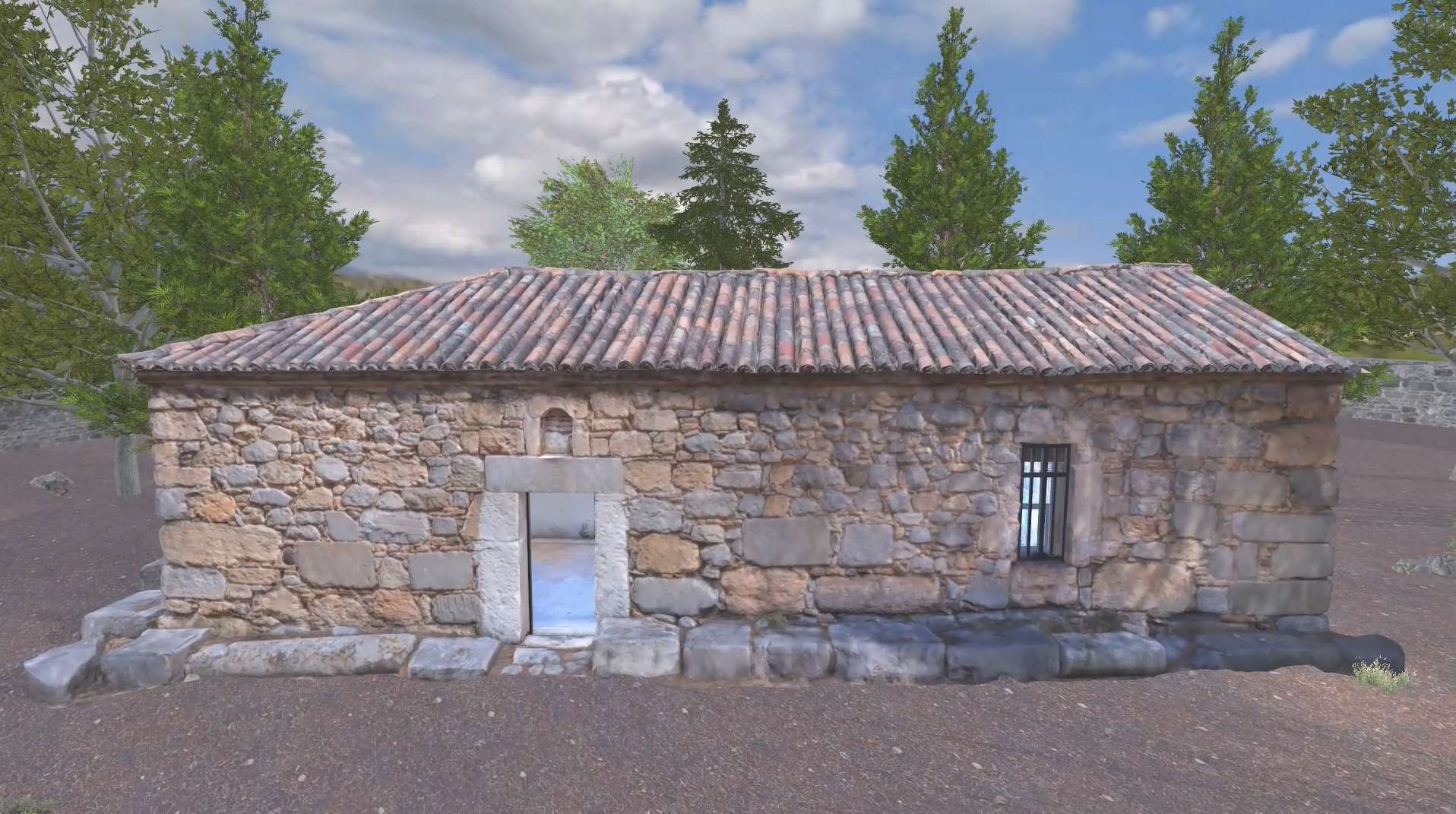
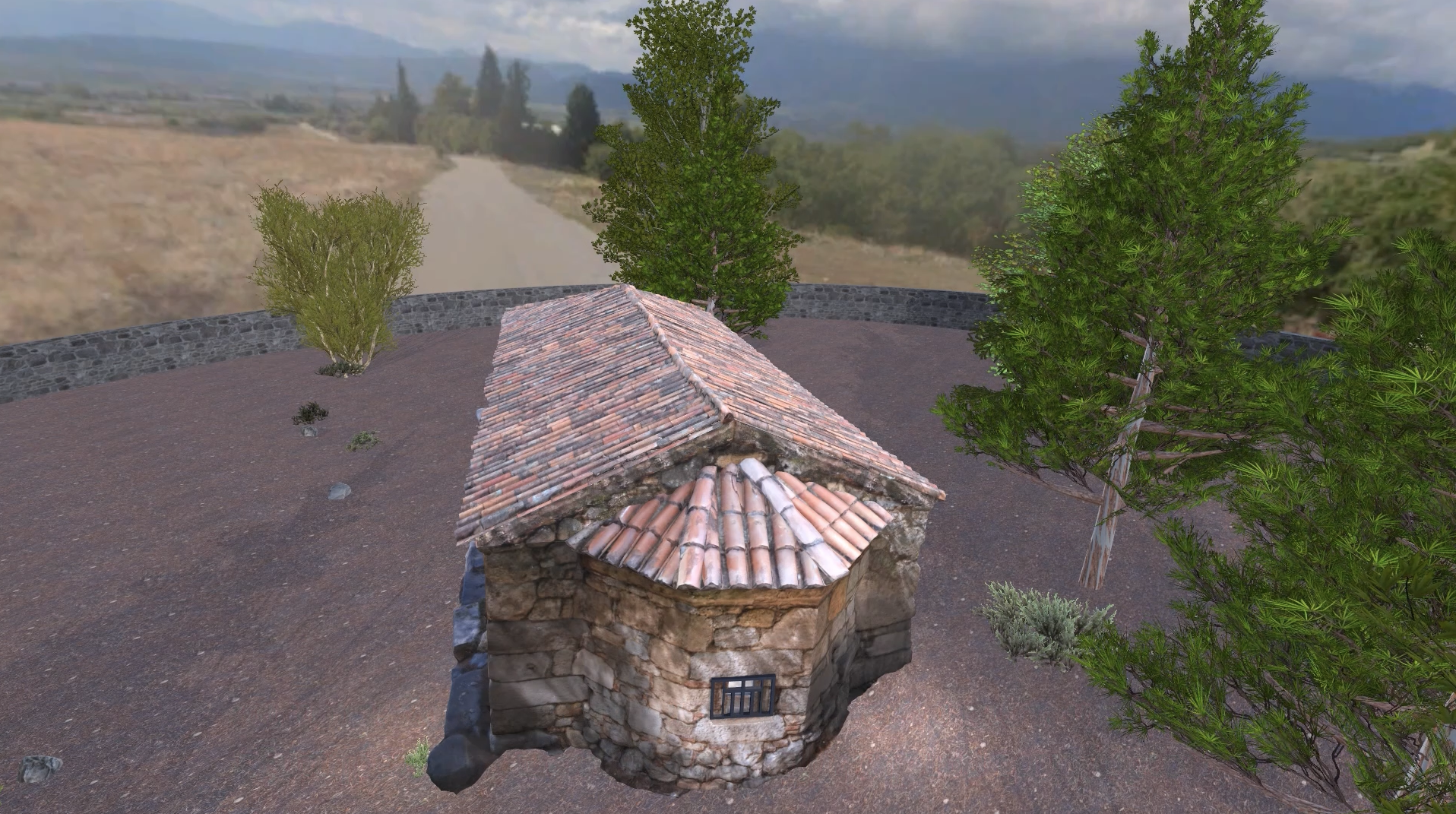
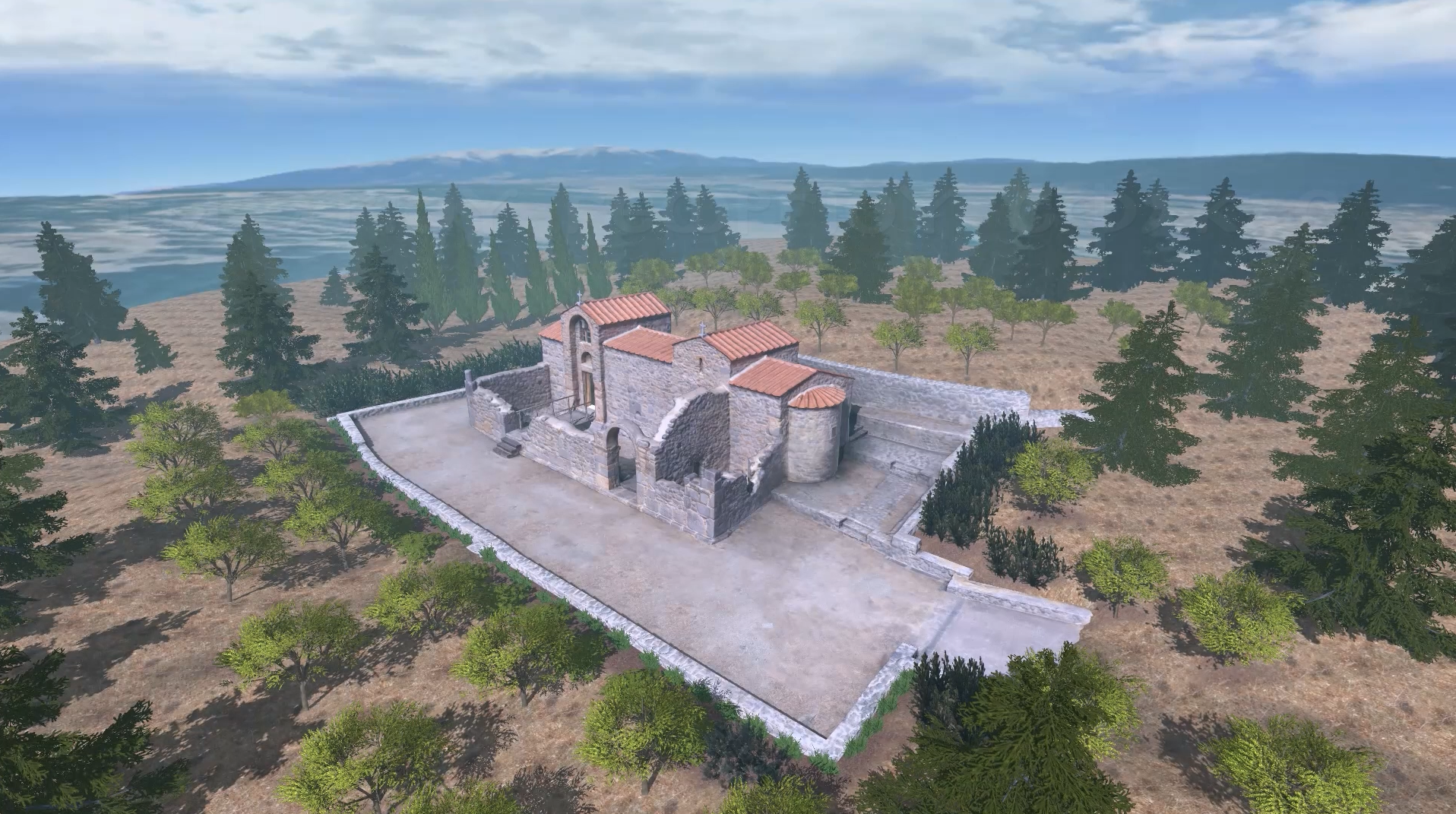
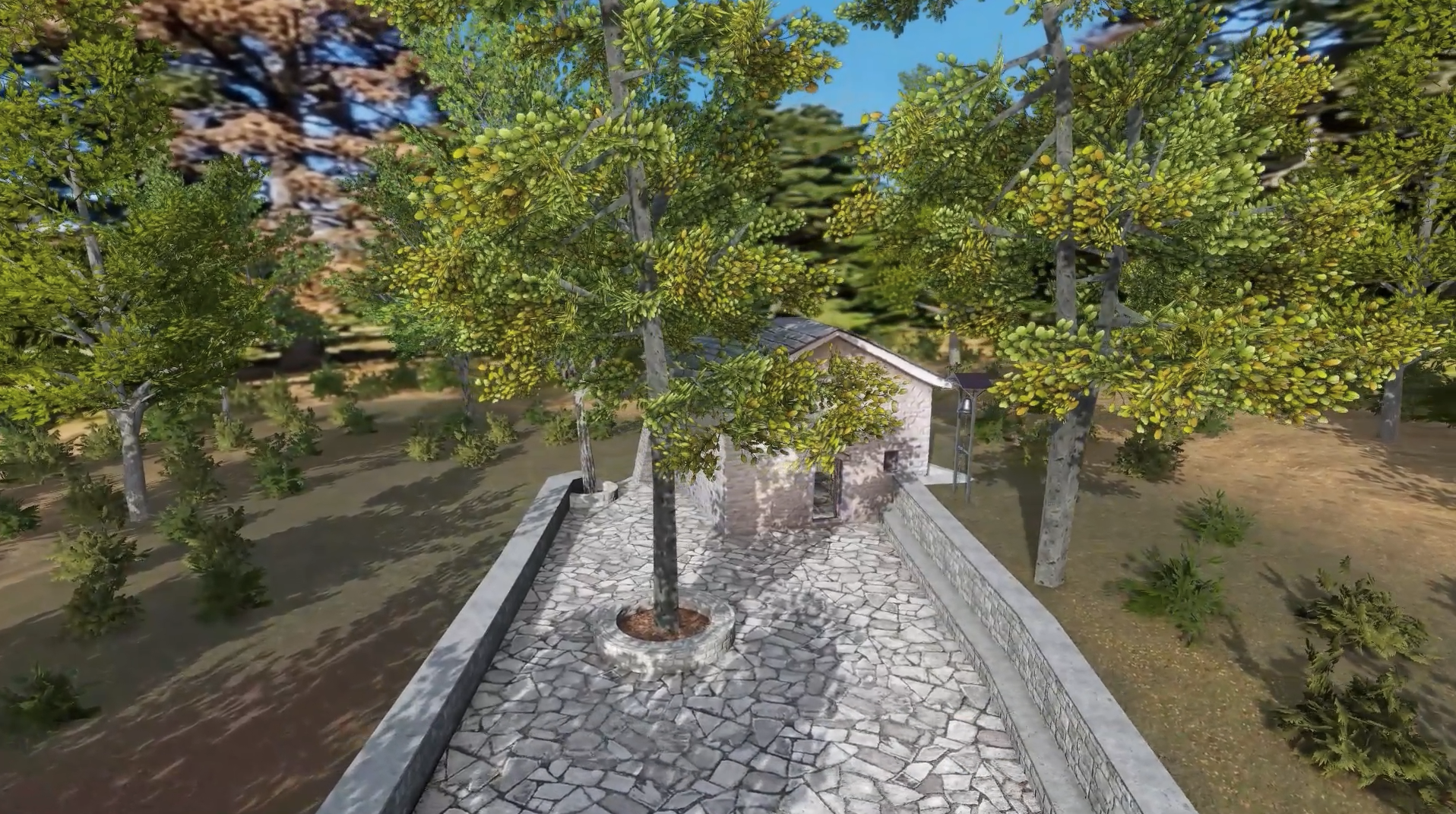
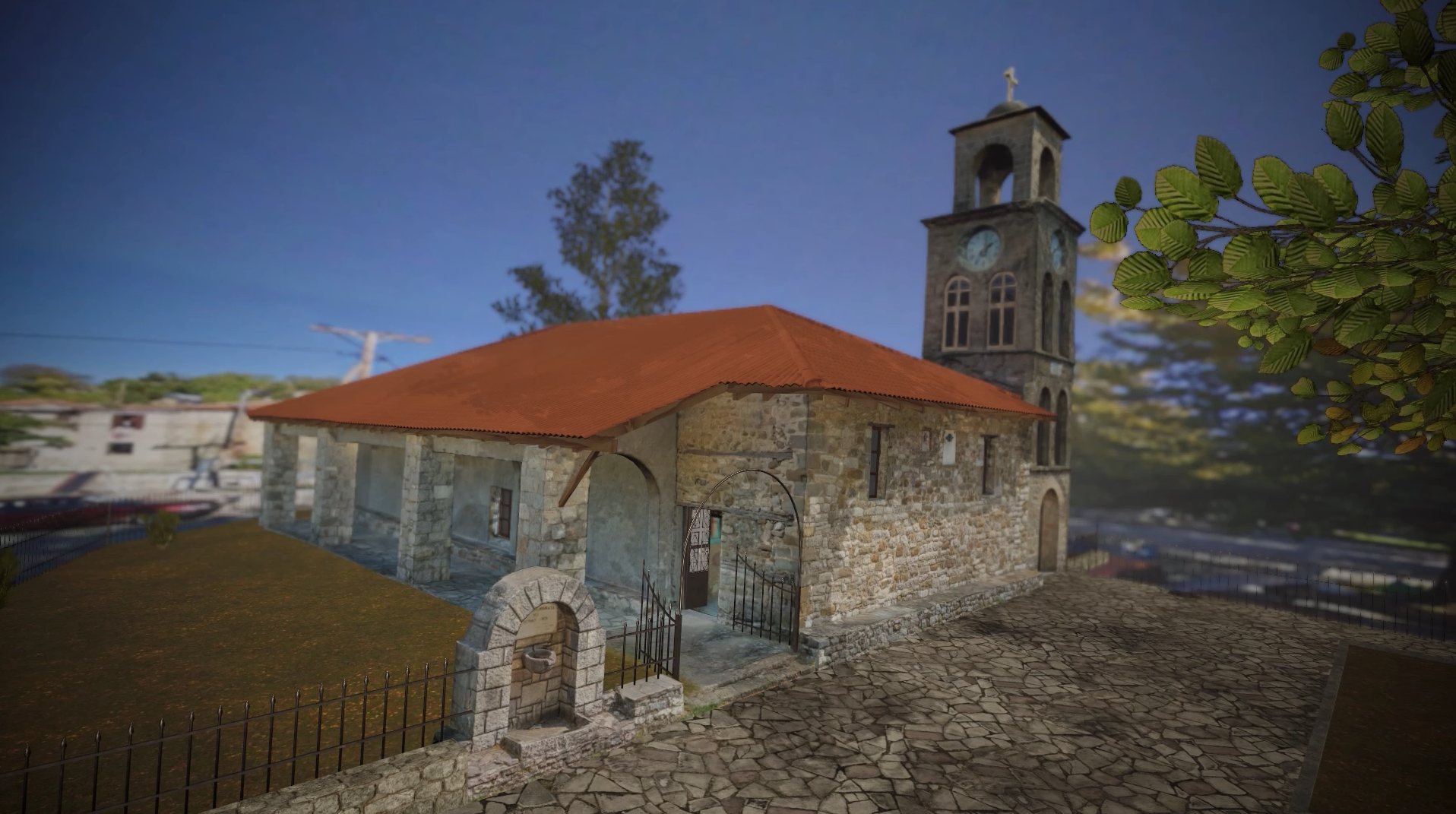
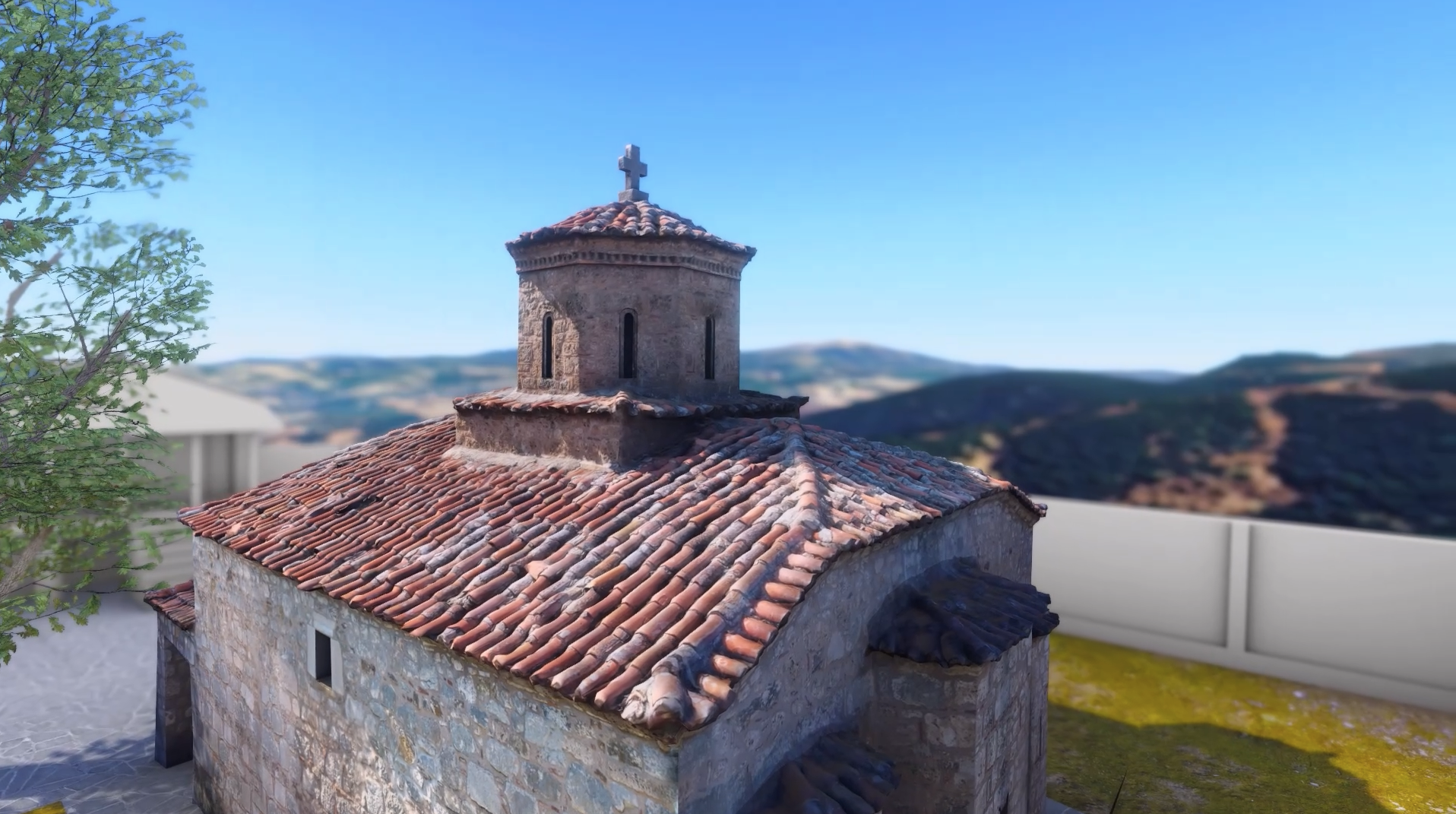
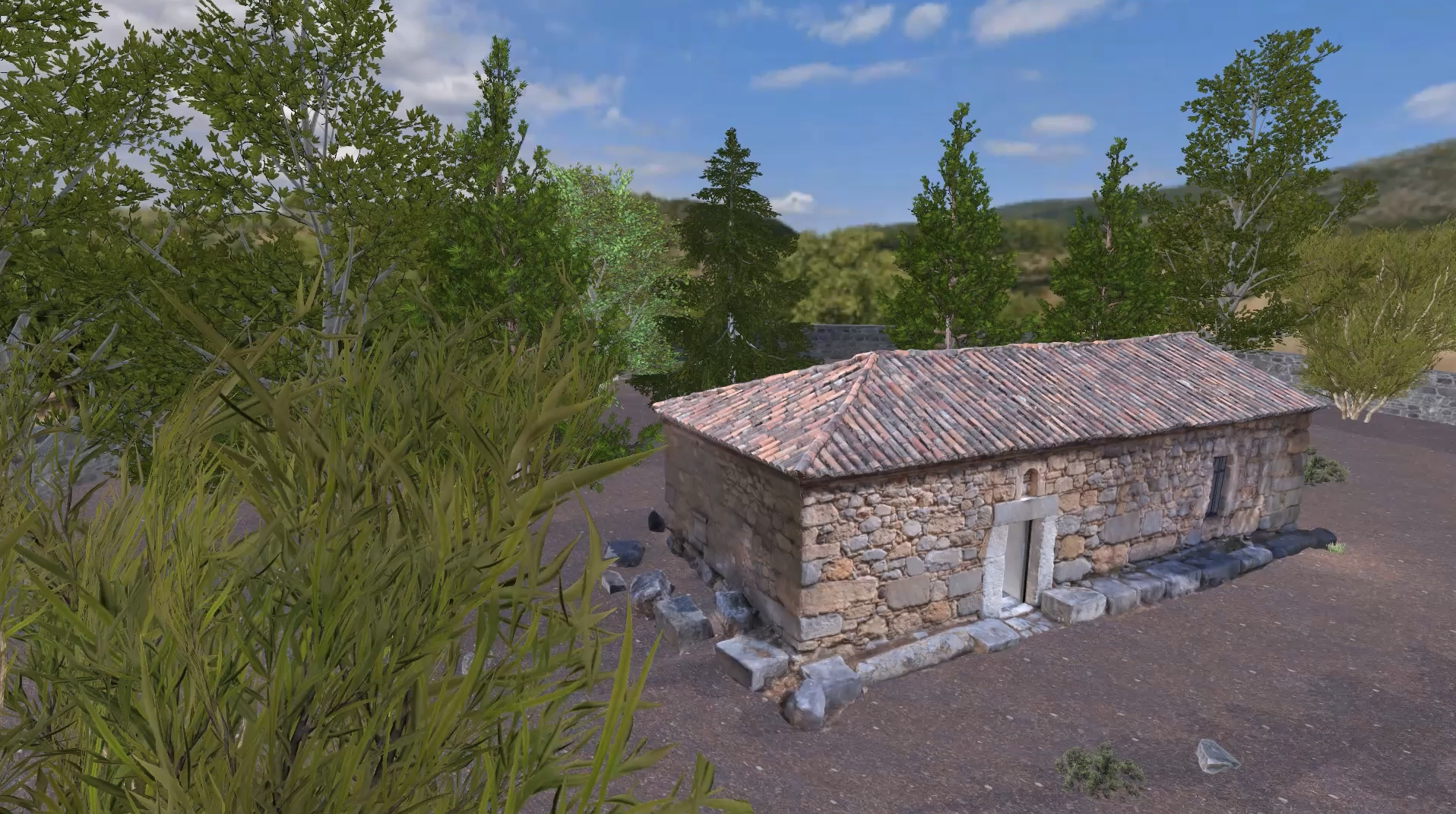
Saint Athanasios is a small chapel located within the archaeological site of Elateia. It is an elongated structure with a three-sided sanctuary apse and a tiled roof. Although built in the 18th century, earlier Byzantine phases—possibly from the 13th or 14th century—are visible in the lower parts of the walls and on the eastern side with the apse. During the Ottoman period, the village of Lefta stood at the eastern edge of ancient Elateia, and the chapel is believed to have served as the cemetery church of that settlement.
Large reused stones from the archaeological site were incorporated into the walls. In the late 19th century, excavations by the French Archaeological School uncovered, a few meters north of the chapel, the remains of the three-aisled basilica of the Megali Panagia. This basilica had been built atop the ruins of an ancient temple and was considered a monument of the early Frankish period in the region, dating to the early 13th century.
Above the entrance, the large marble lintel bears a carved Latin cross, with a longer vertical arm. When this stone was reused as the lintel of Saint Athanasios, the inscription “ETI (meaning “year”) 1759” was added, indicating the construction date of the narthex.
Although the exterior appears as a single structure, the interior clearly consists of two independent spaces separated by a thick wall. The narthex is entirely an 18th-century addition, larger than the nave and with a raised floor. It is covered by a wooden roof, and its walls were coated with plaster, which erased any earlier frescoes—except on the wall leading into the main church.
Above this entrance survives a remarkable depiction: the Anapeson. Christ is shown as a youthful figure, sleeping with open eyes and his head resting on his right hand. The image symbolizes the fulfillment of the Messianic prophecy in Genesis, where Jacob foretells the coming, Passion, and Resurrection of Christ. The motif first appears in late 13th-century Palaiologan painting on Mount Athos and continued in various forms in post-Byzantine art.
The nave is covered with a barrel vault supported by a reinforcing arch. It is entirely painted with 18th-century frescoes. The iconographic program is of great interest, adapted with theological depth to the small interior. The Pantokrator—usually depicted in the dome of Byzantine churches—appears here in a medallion on the upper part of the vault’s intrados. He is surrounded by the four symbols of the Evangelists, inspired by the visions of Ezekiel and Revelation: the angel (Matthew), the winged ox (Luke), the lion (Mark), and the eagle (John). They constitute fundamental elements of Christian iconography, as they represent theological aspects of Christ’s life — namely the Incarnation, the Sacrifice, the Kingship, and Divine Wisdom respectively.
Because the vault forms an elongated surface, the Pantokrator medallion is flanked by three others. From west to east: the first shows Righteous Joseph, son of Jacob, whose life is a prefiguration of Christ. Next is the Pantokrator; then, beyond the reinforcing arch, Christ as the “Angel of Great Counsel”; and further east, the “Ancient of Days”. On the arch itself, the Holy Spirit appears as a dove with a halo, flanked by the Prophets Habakkuk, David, Jeremiah, and Elijah.
The presence of the Prophets around the Holy Spirit relates directly to the medallion of Christ as the “Angel of Great Counsel”—a depiction of Christ as the pre-incarnate Logos, the second Person of the Trinity. In the Old Testament era, before the Incarnation, Christ appeared to the Prophets as the divine messenger of God’s decision—His “Great Counsel”—to save humanity. This iconography is well known from Athonite monuments.
In the fourth medallion, above the sanctuary, appears the Ancient of Days, the Biblical name for God, emphasizing the eternity of the Creator. The combination of Christological images, the Holy Spirit, and the Prophets across the vault highlights the Mystery of the Holy Trinity in the church of Saint Athanasios.
The nave is separated from the sanctuary by a masonry templon, repainted in the early 20th century with icons that cover earlier frescoes. On either side of the Holy Door appear Christ and the Theotokos. To Christ’s right stands Saint John the Forerunner. At the far left is the icon of Saint Athanasios of Alexandria, to whom the church is dedicated. As Patriarch of Alexandria in the 4th century, he was a central figure in defending Orthodox doctrine against Arianism, which claimed that Christ was a created being rather than consubstantial and eternal.
The sanctuary preserves its rich 18th-century decoration: the Theotokos Platytera in the apse conch, flanked by the Annunciation and the Holy Mandylion above the arch. The Mandylion, according to tradition, bore the miraculous imprint of Christ’s face and was depicted either above the entrance or above the Altar Table, as here. The apse walls show the traditional Eucharistic themes—concelebrating hierarchs and the Communion of the Apostles. The remaining walls depict the Divine Liturgy, with Christ as High Priest.
On the western wall beneath the vault is a large, multi-figured Crucifixion scene set before the walls of Jerusalem. A striking detail is the unrepentant thief, shown with demonic features—a motif drawn from the apocryphal Gospel of Nicodemus.
Above the Crucifixion and over the entrance is an inscription dedicating the church to Saint Athanasios of Alexandria and recording that the frescoes were funded by the local community. It also mentions Nikephoros, Bishop of Talantion and Davleia. Although the date is not preserved, it was likely close to 1759, the year carved on the lintel of the entrance.
“This divine and most venerable church of our Father among the Saints Athanasios, Patriarch of Alexandria, was decorated through the contribution and expenses of the community of this village. During the archiepiscopate of the most beloved‑of‑God Bishop of Talantion and Davleia, Kyr‑Kyr Nikiforos, together with the … and the priests, under the stewardship of …”
Framing the entrance and inscription are imposing depictions of the Archangels Michael and Gabriel.