
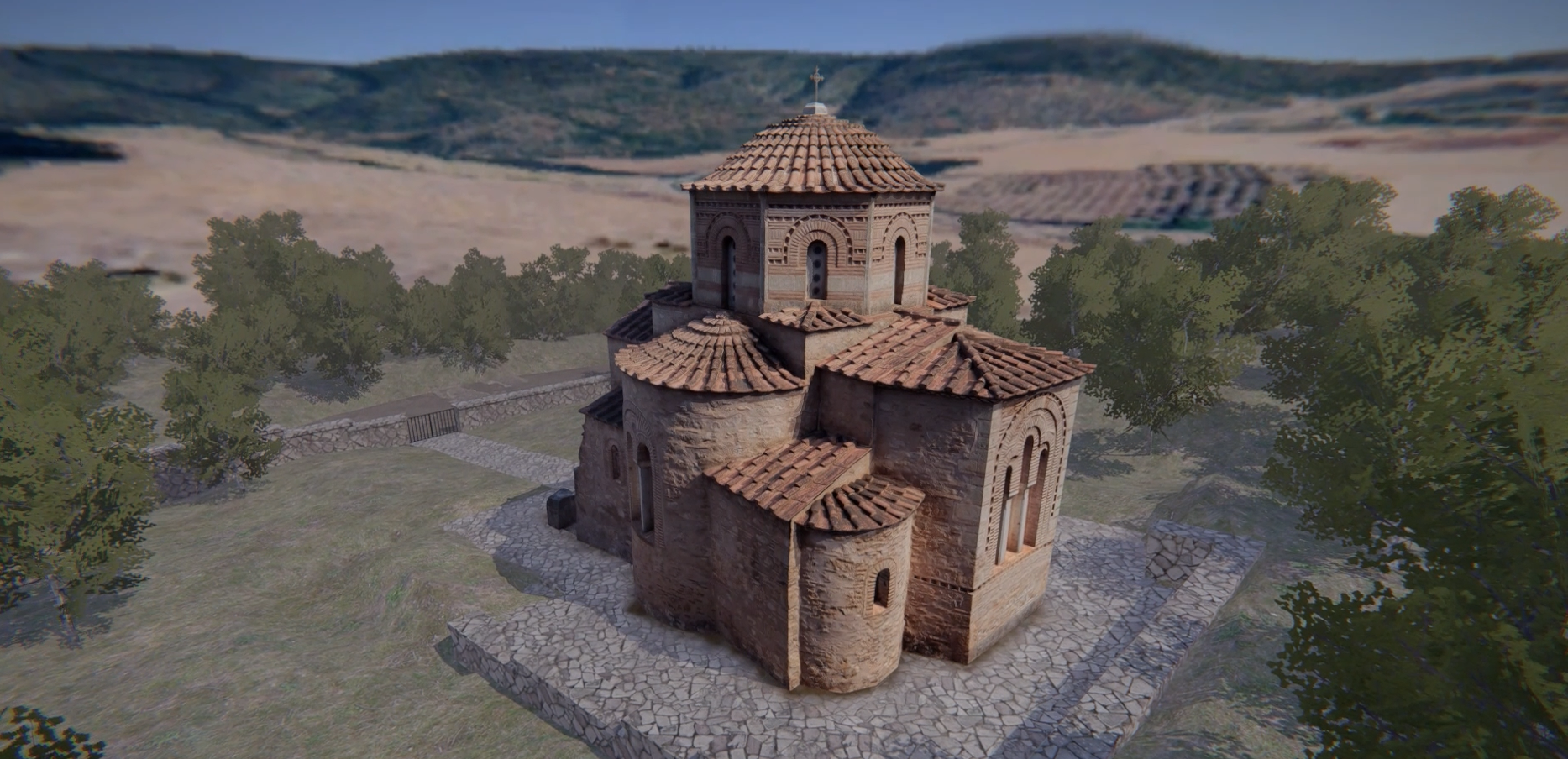
Holy Church of Saint Nicholas in Larymna
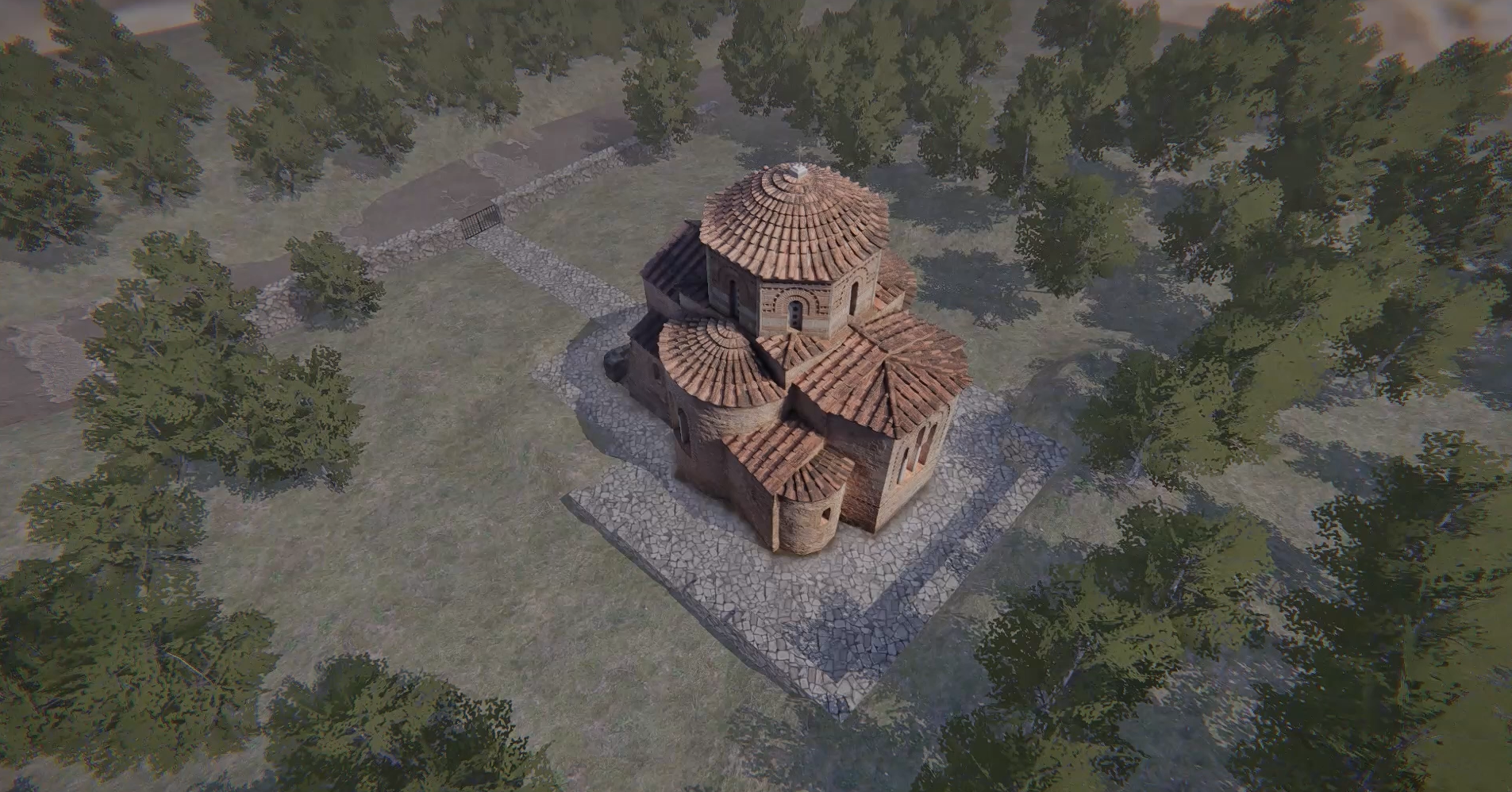
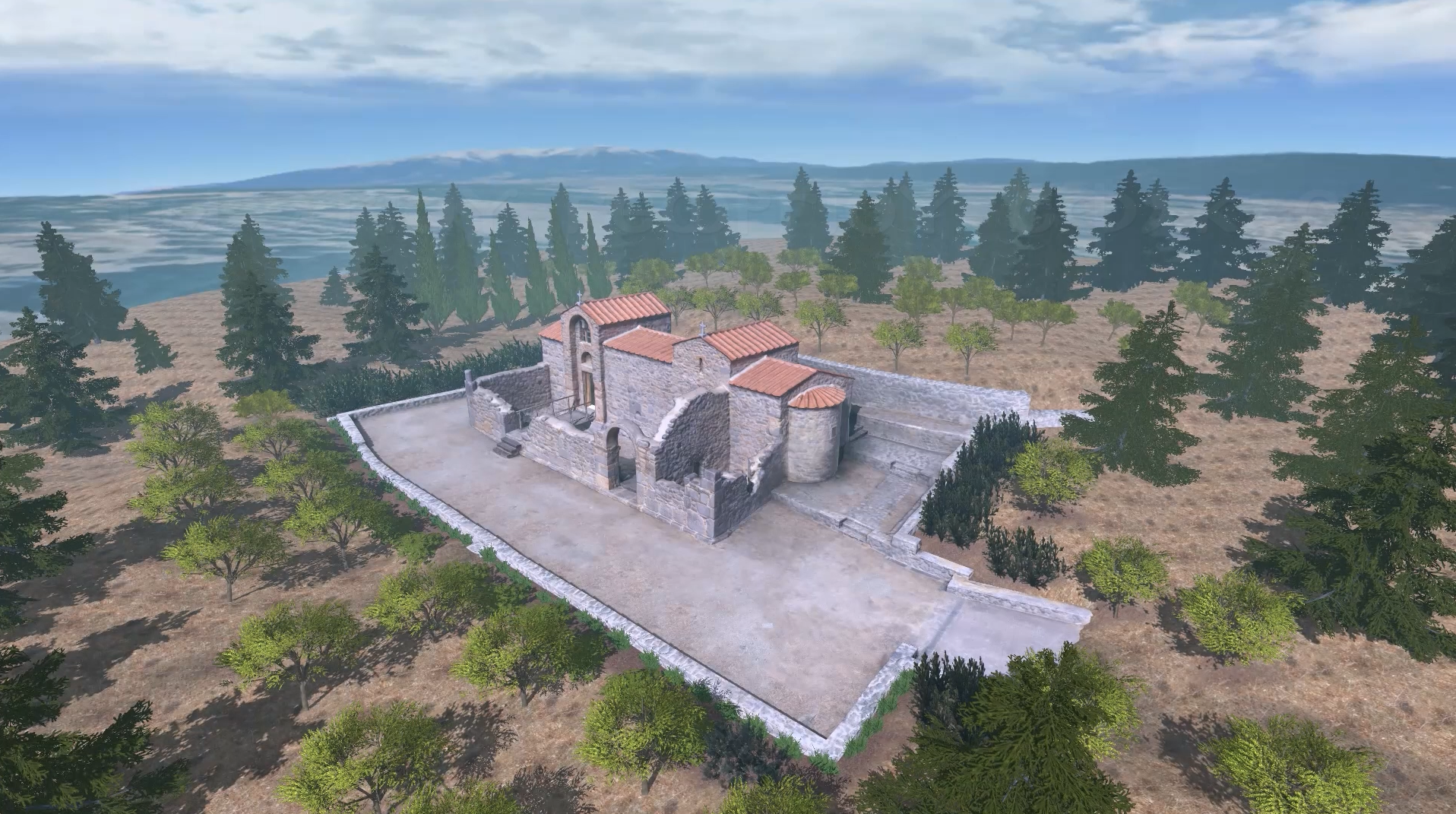
The Byzantine church of Saint Nicholas is located near Larymna in Phthiotis. It was restored in 2007. It is believed to have been the katholikon (main church) of a monastery, whose other buildings have not survived. It is a triconch church with a tripartite sanctuary and a dome. Based on its morphological features, it has been dated to the 12th century. One such feature is its masonry, which combines small roughly‑dressed stones and bricks, as well as the ceramic decoration on the dome, the windows, and the apse of the Sanctuary.
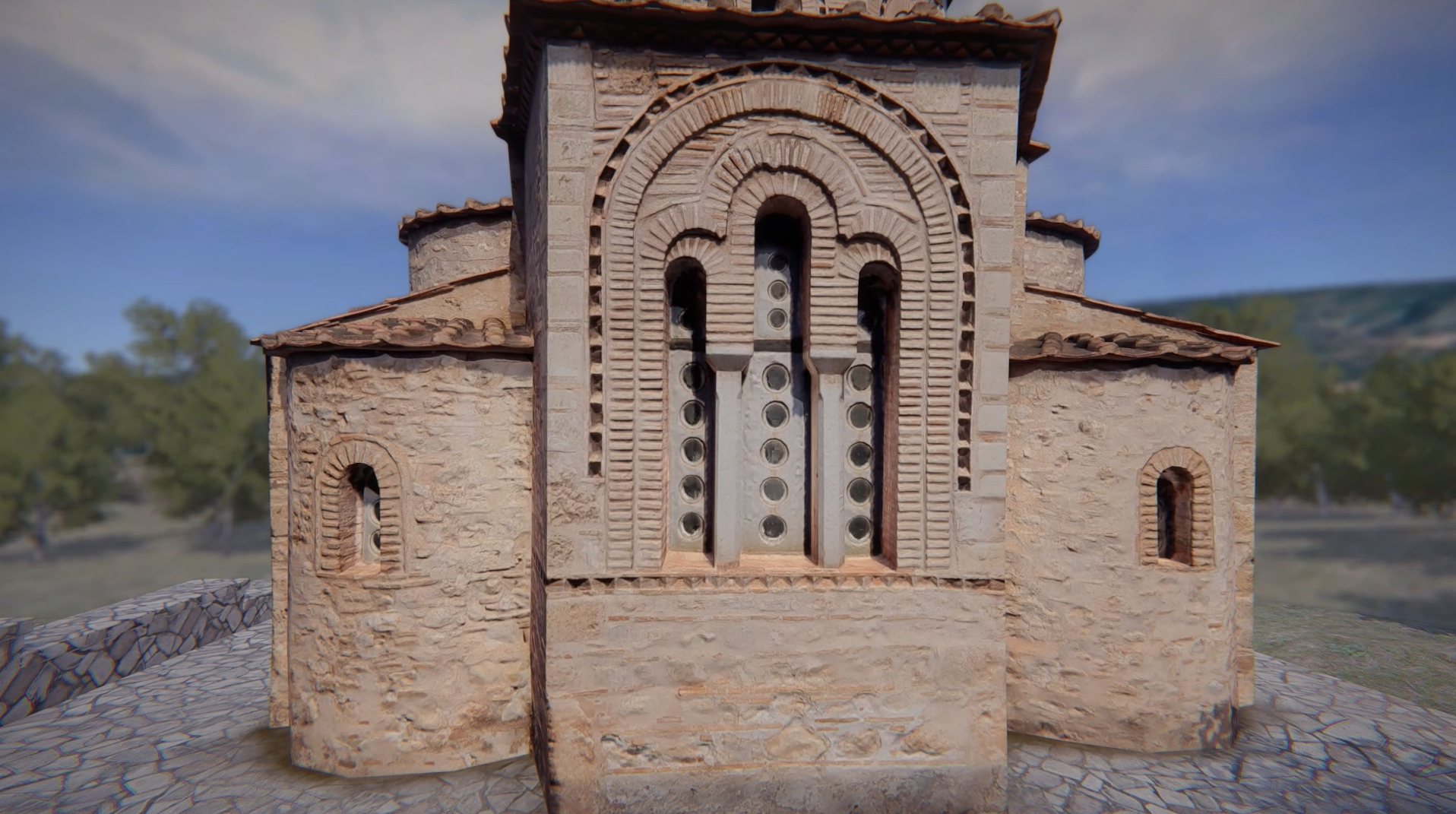
The sanctuary is tripartite, with a three‑sided central apse flanked by two smaller semicylindrical ones. The central apse is adorned with dentil bands running around it at the level of the window base and the roof cornice. The window is large and trilobed, formed by successive brick arches and jambs, while its outline is further emphasized by a dentil brick band.
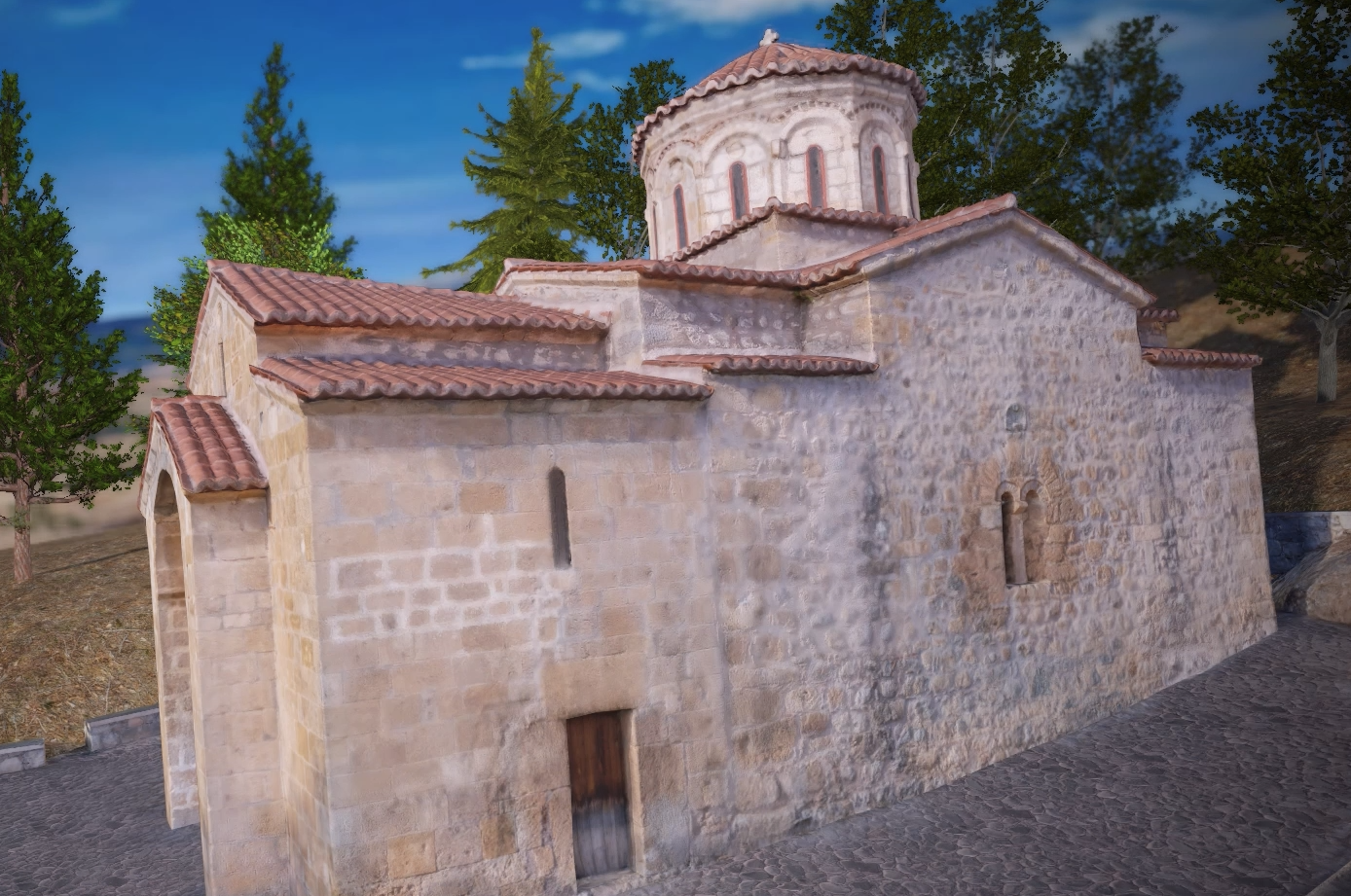
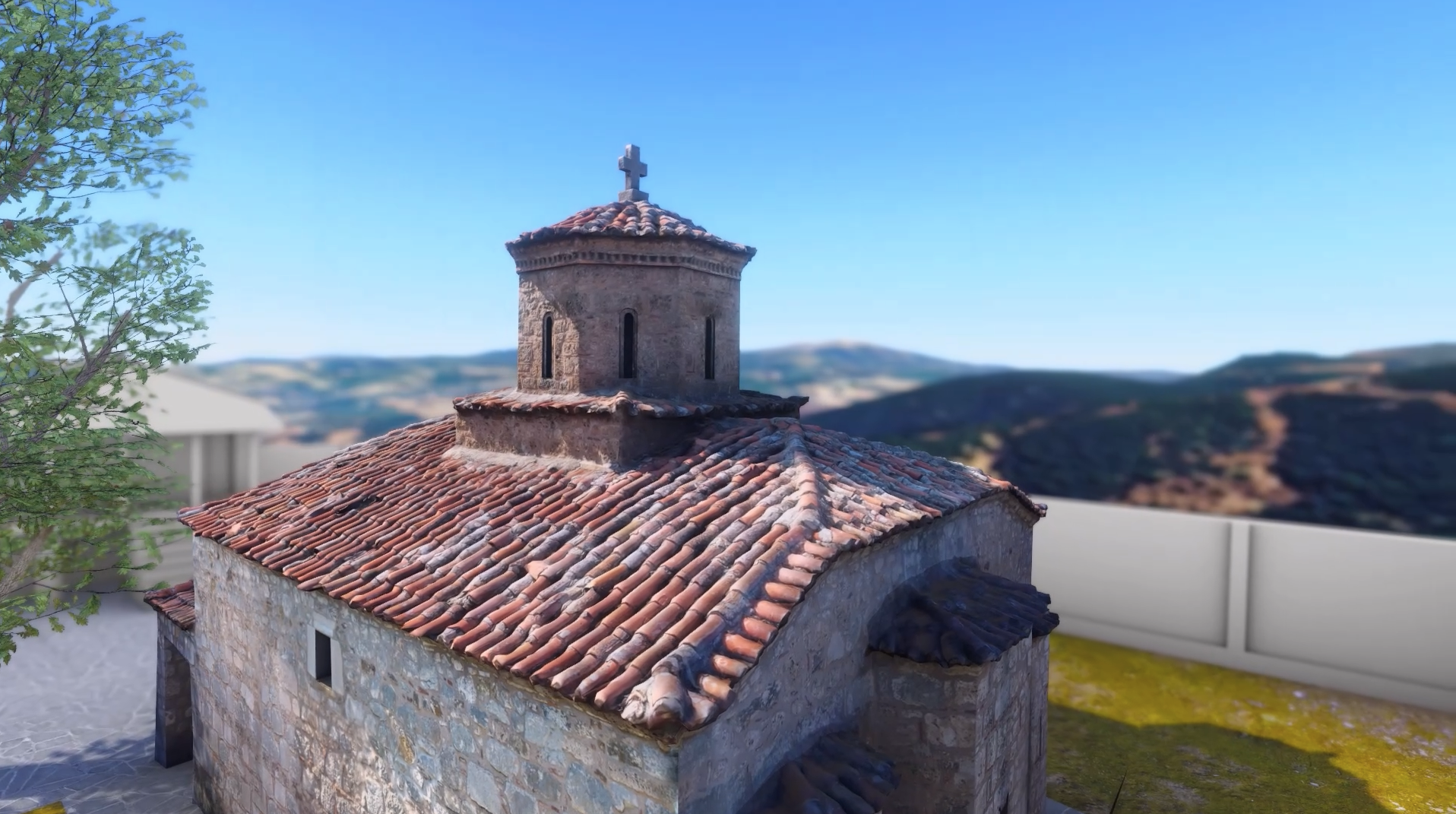
The church’s dome collapsed during the destructive earthquakes of Atalanti in 1894. However, a small surviving section allowed its reconstruction. It is octagonal, with edges and a cornice made of tuff stone. Each of its eight sides is decorated with parallel dentil bands and zones of vertically placed bricks. Each side also contains a window framed with brick arches and jambs, with the arches further highlighted by dentil bands. The entrance to the church is on the western side. The narthex has not survived, but parts of its side walls remain.
The church presents certain peculiarities, especially in its ground plan, which also affects the impression created by the central interior space. These particularities make it a unique Byzantine monument. Inside the church, fragments of wall paintings survive in parts of the Sanctuary and the Prothesis, as well as on the walls of the northern apse.
A saint—whose name is not discernible—is depicted standing and frontal, wearing luxurious garments. The scene is framed in red. On the upper side of the frame, a fragment of an inscription survives, bearing the name “OF THE SERVANT OF GOD NIKIPHOROS.”
In the northern apse, the depiction of Theodore Katharinos—an otherwise unknown military figure—is preserved in fragments, shown together with Saints Theodore and George. Above the three figures, Christ appears in a medallion, blessing. The scene is accompanied by a dedicatory inscription, from which we learn the identity of the donor of the wall painting.
…Ω [μεγα]ΛΟΜΑΡΤΥΡΕΣ ΤΟΥ Χ[ριστο]Υ / ΣΤΡΑΤΙΟΤΕ ΘΕΟΔΩΡΟΙ ΓΕΩΡ/ΓΙΕ ΒΟΗΘΗΤΕ ΜΗ ΤΟΝ ΣΩΝ / ΙΚΕΤΗ ΘΕΟΔΩΡΟ ΤΟΝ ΚΑΘΑΡΙΝΩ ΤΟ / ΓΕΓΡΑΦΟΤΗ ΠΟΘΩ ΠΟΛΩ Ω/ΠΟΣ ΕΥΡΟΝ ΣΑΣ ΠΡΟΣΤΑΤΑΣ Ε/ΝΙΜΕΡΑ ΤΗΣ ΔΙΚΗΣ ΡΙΟΜΕ/ΝΗ ΜΕ ΤΟΝ ΠΟΛΟΝ ΜΟΥ / ΟΦΛΗΜΑΤΩΝ.
In the upper zone of the northern wall of the Prothesis, a fragmentary depiction of a mounted military saint, holding a spear—probably Saint George—is preserved. On the wall of the Sanctuary apse, the central depiction of Christ blessing is visible, shown in bust within a rectangular red frame. On the left side, traces of standing figures can be seen, possibly co‑celebrating hierarchs.